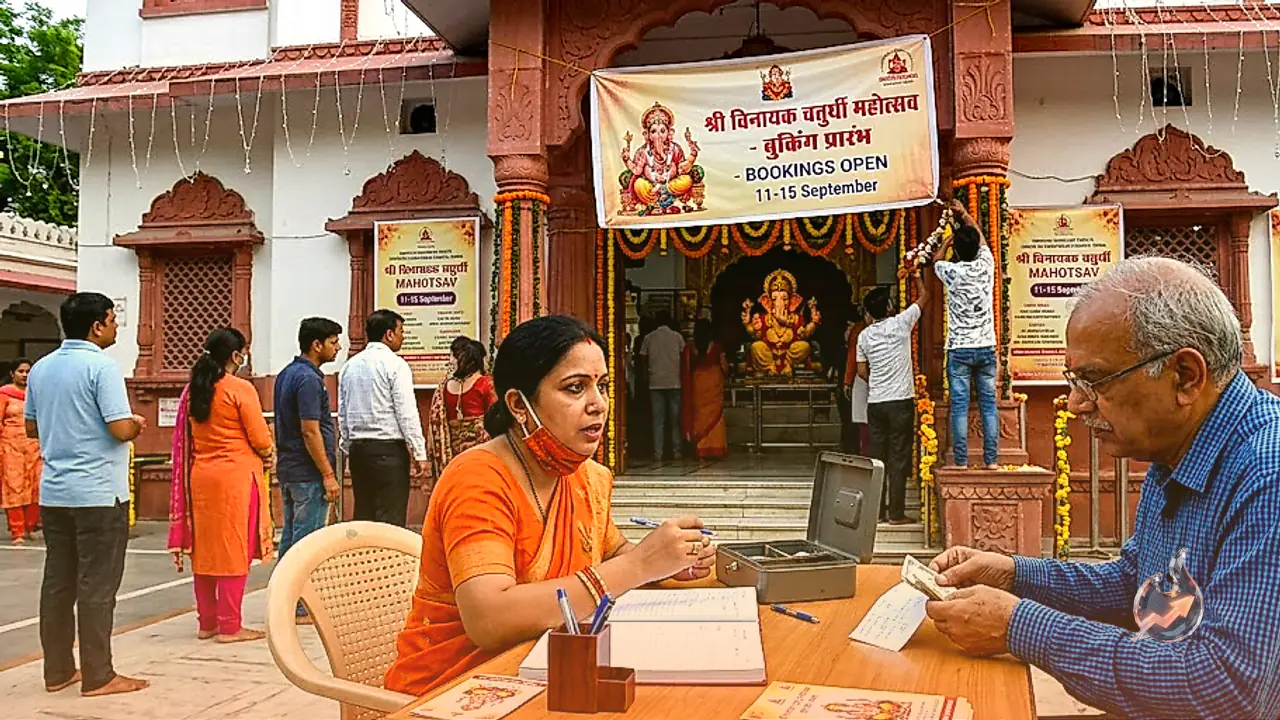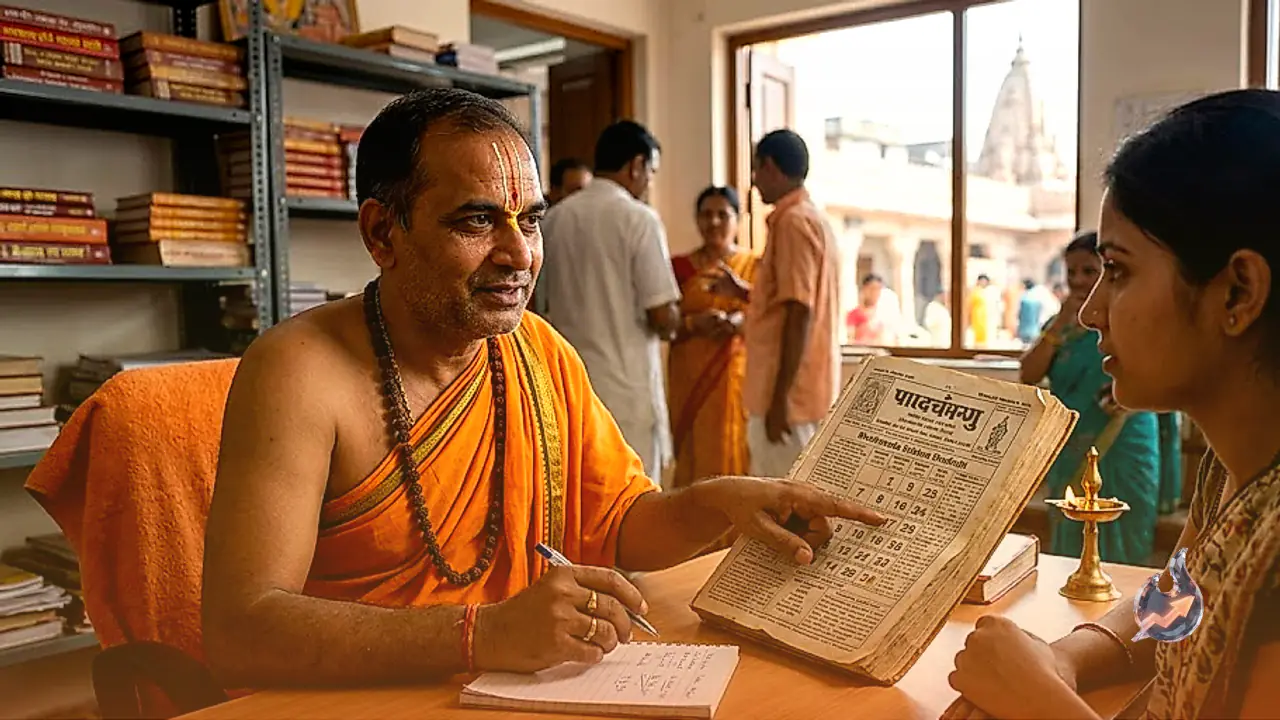



















Ask ten people whether puja should be done sitting or standing, and you will likely get different answers, because both postures actually matter, just at different stages of worship. According to religious tradition, chanting mantras and meditating call for sitting on an aasan, while aarti and parikrama are meant to be performed standing. Alongside posture, there are also rules for the direction one should face, the seat used, and how sacred objects are handled during worship.
Why Sitting Is Preferred For Regular Puja
Daily worship rituals such as chanting mantras, meditating and other forms of sadhna are best performed while seated on an aasan. The reasoning is that a seated posture keeps the body steady and breathing controlled, which in turn makes it easier for the mind to stay focused. Standing through a long puja tends to leave the body restless and tired, increasing the chances of losing concentration. This is why sitting on an aasan for regular worship, chanting and meditation has remained the practice for generations and is treated as part of following puja correctly.
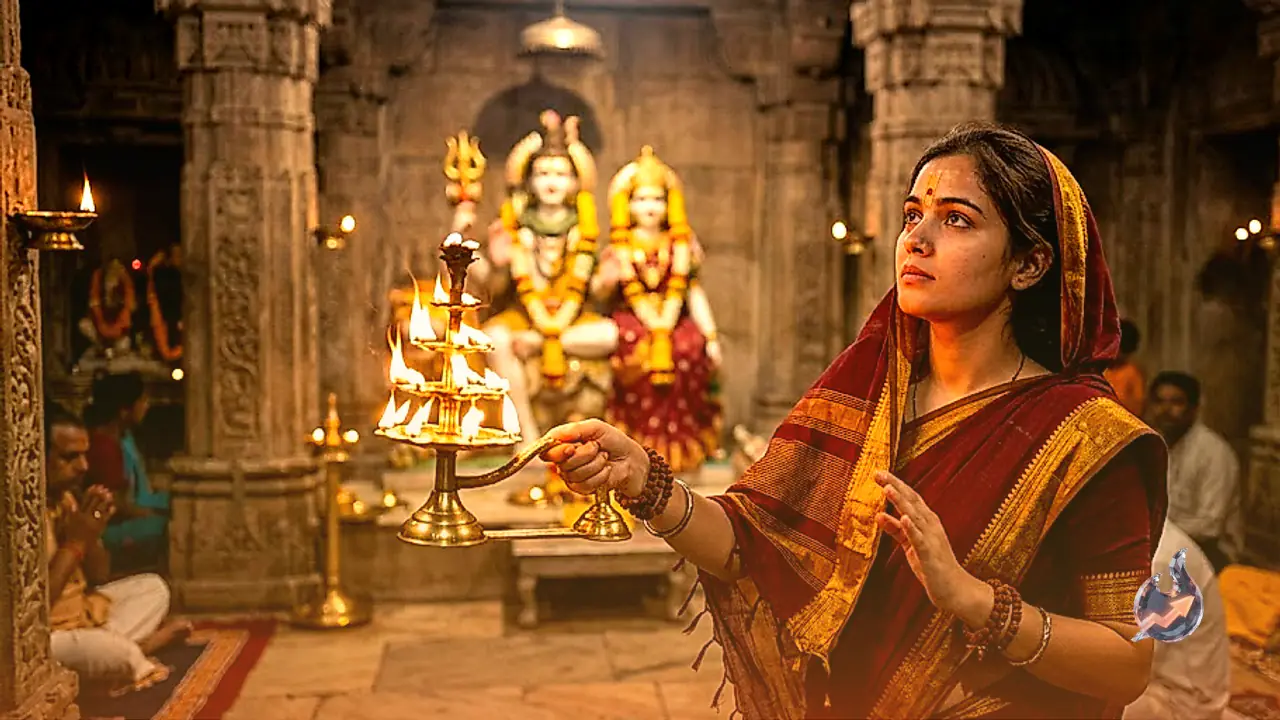
Why Devotees Stand For Aarti
Puja and aarti are not governed by the same rule, each has its own method. When aarti is performed, devotees stand at their place and worship with full devotion and reverence. Standing during aarti is seen as a mark of alertness and respect toward the deity. In contrast, chanting, meditation and other elements of puja are carried out while seated on an aasan. So within a single worship session, both postures come into play, and which one applies simply depends on which stage of the ritual is underway.
Parikrama Too Is Done Standing
Once the puja is complete, it is customary to circle the deity or the idol that has been worshipped, and this circumambulation is also done standing. While performing parikrama, one is expected to hold on to a sense of devotion and reverence so that the act does not become a mere formality. Tradition treats parikrama as being just as significant a part of worship as chanting or aarti, which is why it should be done unhurried rather than rushed through.
Facing The Right Direction Matters
The direction a person faces while worshipping is also considered important. It is believed that facing east or north during puja is auspicious. That said, not every home or puja space is laid out the same way, so there can be practical variations depending on how a room or a temple corner is built. In such cases, one should try to sit as close to the favourable direction as the space allows.
Avoid Sitting Directly On The Floor
A clean, designated aasan should always be used for worship. Sitting directly on the bare floor to perform puja is not advised, since it is believed to affect both the purity of the ritual and the steadiness of the body. There is also a belief that once the puja ends, one should bow to the ground beneath the aasan, a gesture meant to show respect to the earth.
Treat Sacred Objects With Respect
Items such as the Shaligram, the Shivling, a conch shell, the janeu, and idols of deities should never be placed directly on the floor. They should instead be kept on clean cloth, on an aasan, or in a suitable vessel so that their sanctity is preserved. Maintaining cleanliness and keeping the head covered during puja and aarti is also considered necessary, seen as a symbol of respect, humility and devotion toward the deity.
These practices are rooted in religious faith and traditional belief and carry no scientific backing, so they are best understood in that context.