





















Global military conflicts and shifting geopolitical dynamics have radically altered modern warfare. Recent international hostilities have disrupted supply chains and forced nations to reassess their strategic preparedness. Amid these changing security realities, India continues to fortify its defense apparatus. Advanced military assets like cruise missiles and fighter jets form the backbone of this strategy, while the nation simultaneously develops next-generation combat platforms. Given the historical friction with neighboring nations, strengthening domestic defense manufacturing and modernizing the armed forces remains an absolute priority.
Pakistan Looks North for Military Modernization
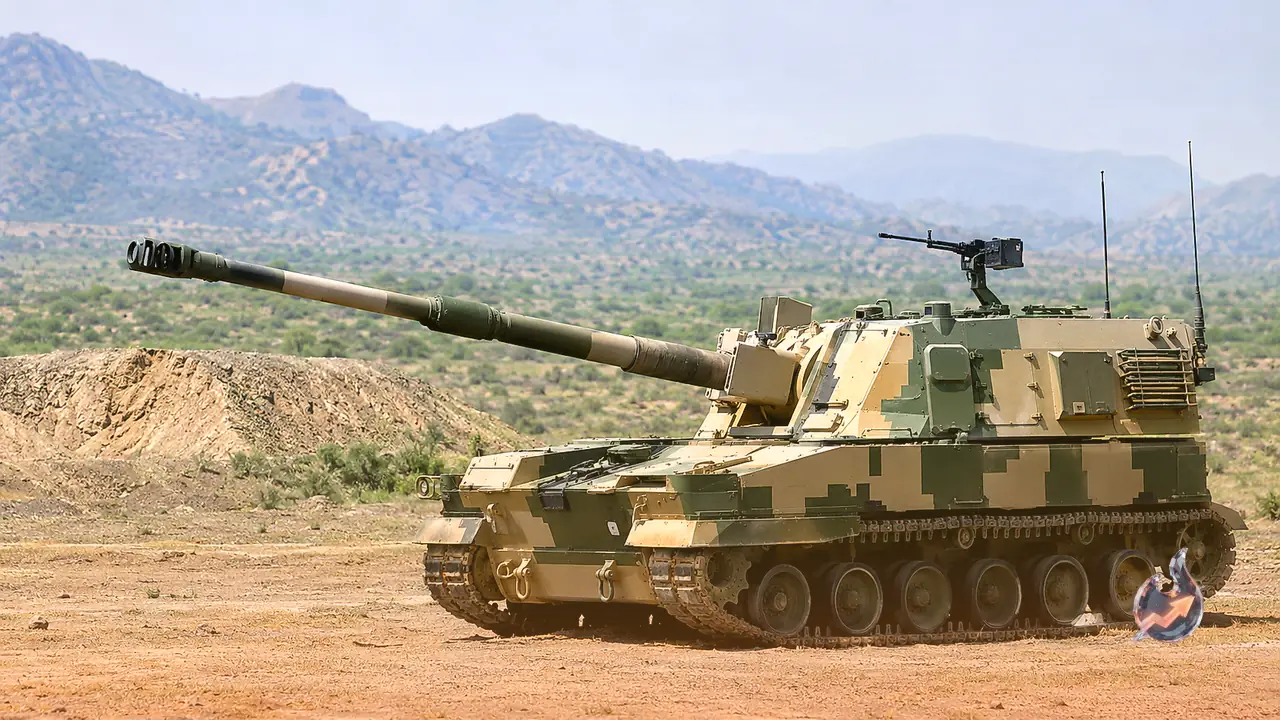
The growing operational prowess of the Indian Army's K9 Vajra artillery has triggered serious anxiety across the border. In a bid to restore a semblance of military parity, Islamabad is reportedly exploring China's newly developed SH-16A self-propelled howitzer system. Defense analysts suggest that Pakistan is evaluating this advanced artillery piece for potential induction into its military ranks. However, official confirmation regarding any finalized procurement contract or formal agreement has not yet been released by Pakistani authorities. Reports indicate the system has been engineered specifically to address the demands of modern, fast-paced combat zones.
Key Specifications of the SH-16A System
The Chinese SH-16A system features a 155mm, 52-caliber artillery gun mounted on a tracked platform equipped with a large unmanned turret. This automated turret architecture distinguishes the system from conventional artillery units by significantly reducing the required crew size and lowering operator workload during intense combat situations. Furthermore, the tracked design grants the howitzer superior mobility across rugged terrains where wheeled vehicles often struggle. Protected by an armored chassis, the unit can advance safely across hostile geographical landscapes while delivering sustained fire support to frontline troops.
A History of Beijing-Sourced Artillery
While the Pakistani military currently operates various versions of American M109 tracked self-propelled howitzers, aging technology has necessitated newer replacements. Islamabad has repeatedly turned to Chinese defense technology to fill these capability gaps. In the year 2019, Pakistan signed a contract to acquire 236 units of the SH-15 self-propelled howitzer from China. That particular 155mm weapon utilized a 6x6 truck-mounted platform designed for rapid road deployment. In contrast, the tracked chassis of the SH-16A offers distinct tactical advantages in off-road maneuverability, allowing the military to diversify its artillery assets across varied operational theaters.
The Shadow of the K9 Vajra-T
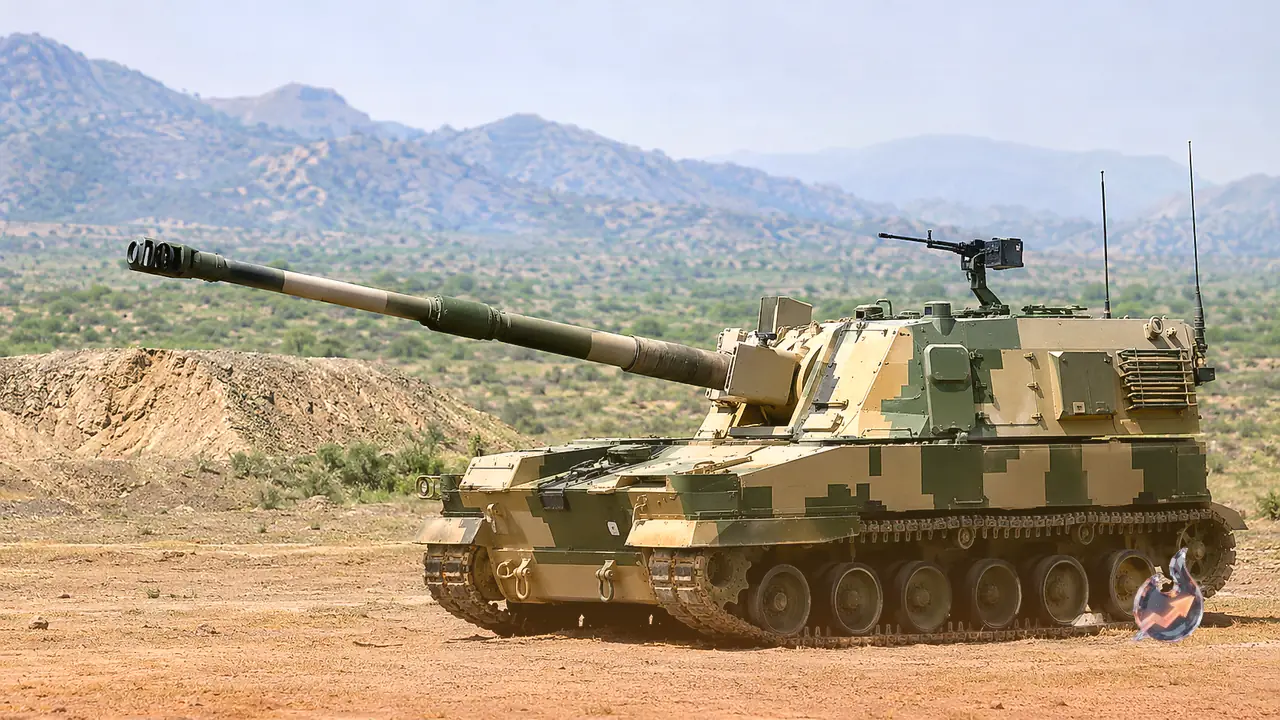
The primary driver behind Pakistan's interest in the SH-16A is the formidable operational footprint of the K9 Vajra-T. Based on South Korean technology, the 155mm/52-caliber K9 Vajra-T has become a cornerstone of Indian artillery firepower. India has already inducted one hundred of these units and placed follow-on orders for an additional one hundred. Renowned for its tracked mobility, armored protection, and rapid deployment in difficult terrain, the K9 system provides crucial combat support close to active zones. Experts note that a direct comparison between the two systems must extend beyond caliber size to encompass fire control capabilities, ammunition storage, range, and overall technical reliability.