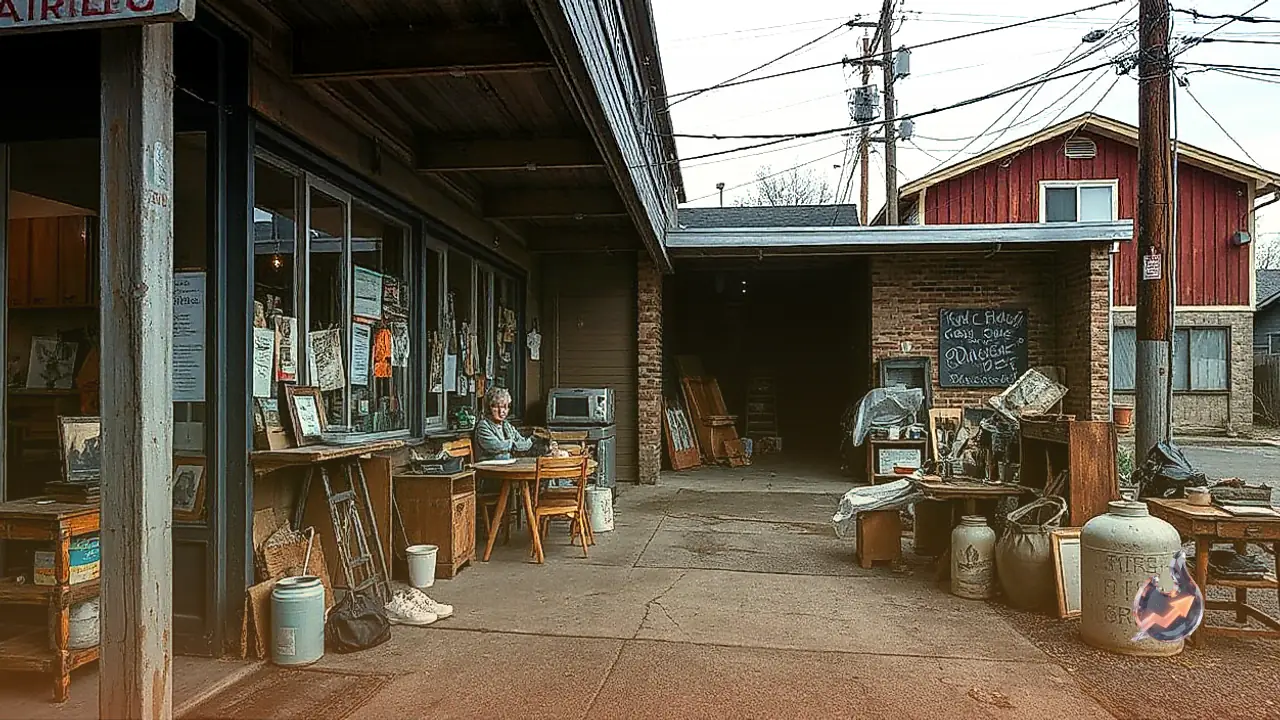

Lilly Pettus found herself standing shoulder to shoulder with three strangers as their hands pressed together the broken pieces of her family dining chair while wood glue set and a volunteer tightened a clamp. Inspecting the joints for the very first time, she remarked on how interesting it was to finally see how everyday furniture was actually put together after owning it for decades.
This scene plays out regularly at Decatur’s community repair cafe, which belongs to a network of hundreds of similar gatherings across the United States. A growing number of Americans are turning to these grassroots meetups to mend what they already own, actively pushing back against corporate models that encourage continuous replacement over simple repairs. This widespread throwaway economy has driven up greenhouse gas emissions linked to manufacturing, thereby accelerating global climate change.
More Than Just a Climate Solution
Organizers and participants view these repair meetups as much more than minor environmental fixes. Amid rising inflation and stagnant wages, these gatherings connect ordinary citizens to a broader movement aimed at reshaping the fundamentals of the American consumer economy.
At the Decatur location, volunteers wearing distinct green shirts printed with the phrase I can probably fix that offered their expertise completely free of charge. A young father watched intently as a volunteer replaced a faulty switch on a mid-century modern lamp worn out by his toddler, while the distinct smell of a spot-welding project drifted through the room to the delight of attendees.
A Family Heirloom Given a Second Life
Pettus’s broken chair carried deep personal history for her household. Shortly after she and her husband married in 1996, they searched extensively for a sturdy dining set that could accommodate her exceptionally tall brothers, one of whom stands nearly seven feet tall. The family had always prioritized durability given their stature.
The decision to fix the chair also drew inspiration from her child, who had interned at the Environmental Protection Agency and frequently discussed pollution concerns with her. After the broken chair sat gathering dust in her home for months, Pettus spotted the Decatur repair cafe while running weekend errands, drove back home to retrieve the furniture, and decided to give it another chance.
The Loneliness of Modern Consumerism
Martine Postma, director of the Netherlands-based network Repair Café International, noted that throwing away broken items often feels deeply isolating in modern society. Ordering a replacement online that arrives the next day is convenient, but it remains a disconnected activity that contributes heavily to the global accumulation of unnecessary waste.
Postma founded the organization in 2010 after becoming concerned about the influx of cheap, short-lived products flooding global markets. Data from her organization shows that these cafes prevented nearly two million pounds of waste in 2025 alone, cutting greenhouse gas emissions equivalent to the annual consumption of about one thousand Dutch families.
Tackling Corporate Obstacles and Right-to-Repair Laws
Despite enthusiasm from consumers, repairing household goods often presents significant hurdles. A Federal Trade Commission report titled Nixing the Fix highlights how manufacturers incentivize premature replacement by limiting spare parts, locking software, and discouraging independent repair shops.
Legislative efforts have begun to shift this landscape, with states like California, Colorado, Minnesota, and New York passing right-to-repair laws in 2023, followed by a similar European Union directive a year later. Organizers hope these grassroots cafes will serve as incubators for broader activism, including potential raw material taxes that could incentivize sustainable manufacturing.
Postma expressed a deep emotional attachment to everyday objects, noting her desire to normalize repair work so that fixing items becomes a standard part of modern daily life rather than a lost art.
Socioeconomic Realities at the Collier Heights Cafe
While repair cafes thrive in affluent areas, their atmosphere varies according to local demographics. On a Sunday afternoon in Atlanta’s Collier Heights neighborhood, volunteers set up equipment on folding tables inside a church basement. The median household income in this predominantly Black neighborhood is lower than in Decatur, leading residents to bring items in strictly out of necessity rather than mere sentimentality.
Gale Pines brought a red air fryer that had stopped working after being used extensively during nursing school to prepare meals while avoiding whole-kitchen heat. Having recently graduated without immediate job prospects, Pines could not afford a new replacement appliance and relied on the community workshop for assistance.
Valuing Human Connections Through Shared Skills
Volunteers quickly diagnosed the air fryer’s issue as a faulty capacitor and replaced it using brought-in spare parts. Pines appreciated the community support, noting a willingness to reciprocate by answering basic health-related questions for neighbors who could not afford medical consultations.
Another volunteer, Lew Lefton, suggested that modern society has largely lost the basic satisfaction derived from making and fixing things. However, mounting existential pressures like climate change are pushing people back toward essential, practical survival skills that foster a completely different outlook on the future.