
























The global landscape for digital privacy and security is facing unprecedented pressure as democratic nations around the globe introduce surveillance and data collection laws aimed at giving law enforcement and intelligence agencies broader access to user information. Governments already possess extensive digital investigative powers, but legislative efforts continually push to expand these capabilities further. This often involves mandating additional logging and intentional vulnerabilities or backdoors in encrypted products, despite cryptographic experts consistently warning that secure backdoors cannot be engineered.
The Legislative Battle Over Canada's Bill C-22
Canada has become the latest focal point for this global friction. The proposed C-22 legislation, first introduced in 2025 and partially revised following intense pushback from civil society and technology firms, would empower authorities to require companies, including those based outside Canada, to build technical capabilities for law enforcement access. This legislative direction has triggered strong reactions from the technology sector. The Canadian anti-censorship provider Psiphon VPN, which helps millions bypass repressive internet controls in places like Iran, announced it would leave the country if the bill passes.
Psiphon is not alone in its resistance. Encrypted messaging platform Signal stated it would withdraw from the Canadian market because the bill would necessitate unacceptable architectural changes to its open source projects. Major industry players including Apple and Meta have criticized the legislation, while DuckDuckGo and NordVPN indicated they would evaluate pulling their services as well. Although proponents of C-22 argue that firms will not be forced to introduce systemic vulnerabilities, opponents point out that any mechanism designed to bypass end-to-end encryption functions as a backdoor that can be discovered and exploited by malicious actors, a risk amplified by modern artificial intelligence tools used for reverse engineering.
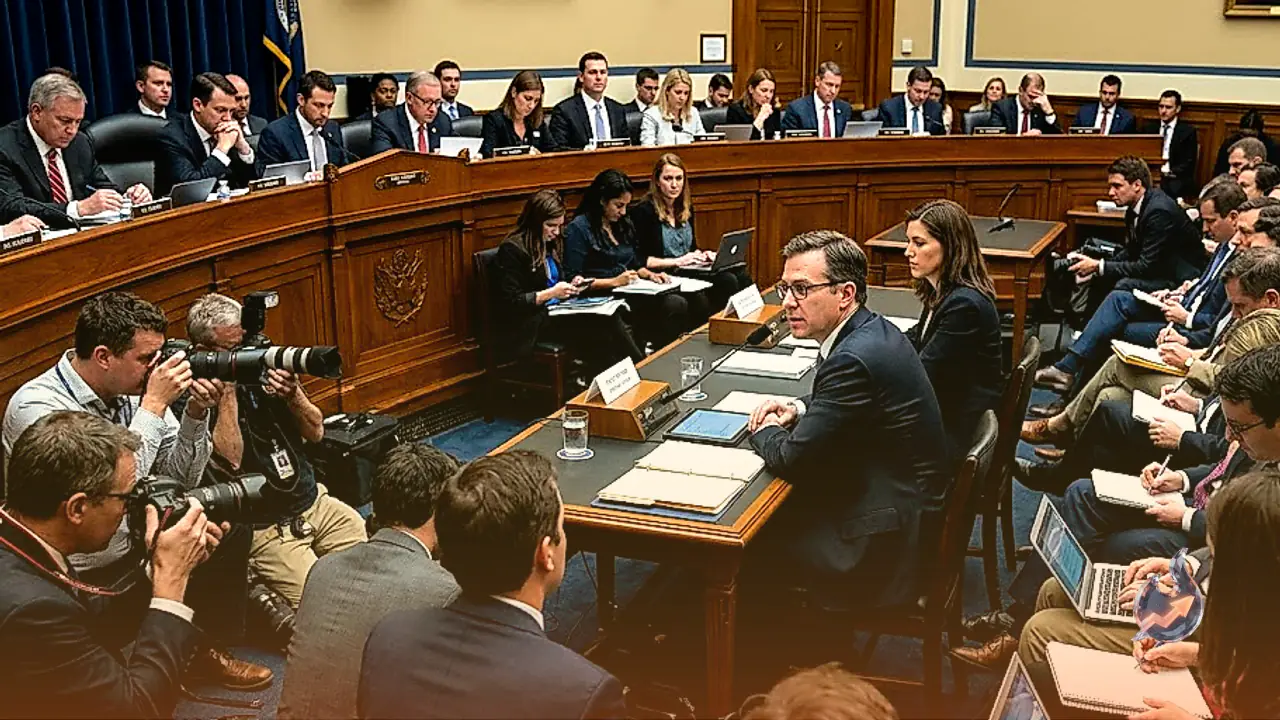
United States lawmakers have also weighed in on the international implications. Members of the US House Judiciary and Foreign Affairs committee cautioned Canadian officials in a May letter that companies could be compelled to weaken, bypass, or defeat encryption standards. Beyond direct encryption impacts, C-22 contains provisions that could force privacy-focused services to retain user metadata by default. Because many VPN providers intentionally avoid collecting such data to protect user confidentiality, these mandated adjustments would force a fundamental restructuring of their business models.
Global Surveillance Trends and the Search for Safe Havens
The regulatory push in Canada mirrors a broader international pattern. In recent years, countries such as the United Kingdom and Australia have enacted sweeping surveillance reforms that compel firms to compromise encryption. Similar legislative proposals or hostile regulatory measures have surfaced across the European Union, France, India, Ireland, Spain, Sweden, Switzerland, and other jurisdictions. Kate Robertson, a senior research associate at the University of Toronto's Citizen Lab, notes that certain agency officials view technology through a myopic lens focused exclusively on criminal investigations, ignoring the reality that secure operating systems are vital for hospitals, banks, and national security infrastructure.
As privacy developers search for jurisdictions that protect confidentiality, the challenge of reaching global users remains unresolved. Joseph Lorenzo-Hall, security portfolio lead at the Internet Society, points out that relocating corporate headquarters offers limited protection when legislation follows users across borders. Maintaining minimal data collection remains a foundational defense, but proponents argue that true safe havens require robust legal frameworks capable of upholding privacy promises against external regulatory demands.