



















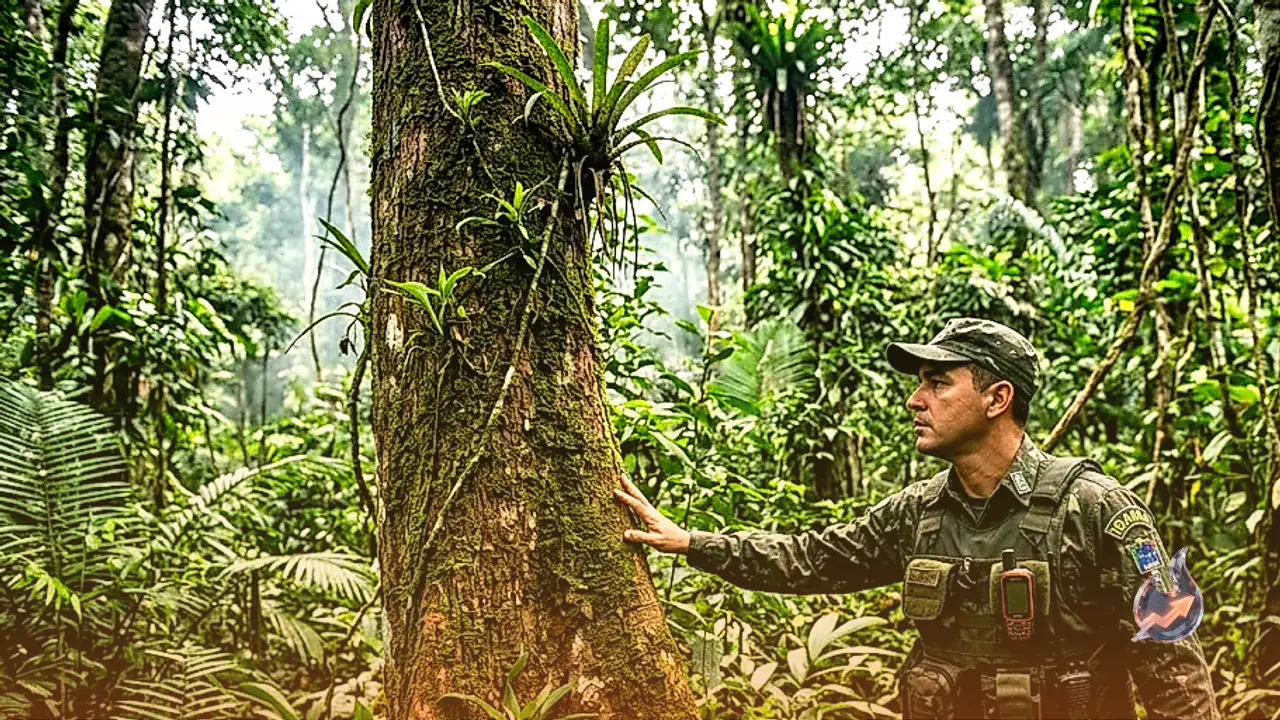

Deforestation across Brazil's Amazon rainforest has plunged to historic lows, marking a notable environmental shift just weeks before the nation decides its political direction. Fresh satellite data tracking the twelve-month period up to July 2026 indicates that clearance rates in the Amazon fell by 41.8%, representing the most significant annual decline since systematic record-keeping began in 1988. Alongside the rainforest, the Cerrado, Brazil's extensive tropical savanna belt, registered a 23.8% reduction in habitat destruction, reflecting a broader slowdown in land clearing across vital ecosystems.
Crucial Election Decides Rainforest Governance
The timing of these environmental figures lands directly in the middle of a high-stakes presidential run-off scheduled for 25 October. Left-wing incumbent President Luiz Inacio Lula da Silva is set to face Flavio Bolsonaro, the son of former right-wing leader Jair Bolsonaro. Polling numbers currently indicate a dead heat between the two contenders, turning the fate of the rainforest into one of the central debating points of the race. While Flavio has signaled plans to maintain the broad policy directions championed by his father, he has also committed to addressing organized criminal networks operating across the Amazon basin.
Divergent Administrative Paths on Conservation
When Luiz Inacio Lula da Silva took office three years ago, he established a formal pledge to eliminate illegal tree clearance across the Amazon biome by 2030. Reaffirming that timeline, he posted on social media platform X on Friday, stating that our goal is to achieve zero illegal deforestation by 2030. This strategy stands in stark contrast to the preceding administration of Jair Bolsonaro, whose presidency between 2019 and 2022 saw environmental protections heavily dismantled.
Under Jair Bolsonaro, policies encouraged commercial mining expansion inside demarcated indigenous reserves while public funding and regulatory enforcement intended to protect the wilderness were sharply reduced. Official records show that during Bolsonaro's four-year term, forest destruction surged by nearly 60% compared to the four years prior, triggering widespread domestic and international criticism over unregulated land exploitation.
Planetary Climate Shield Under Sustained Stress
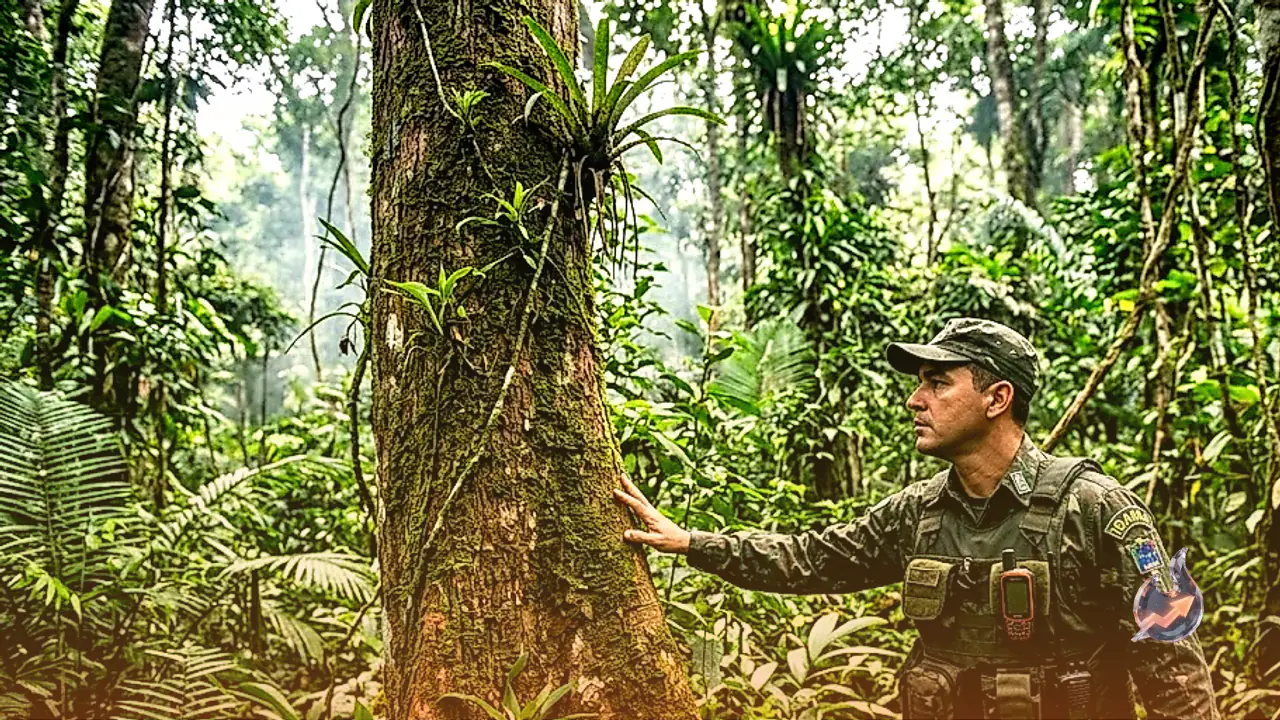
Representing the largest expanse of tropical canopy on the planet, the Amazon serves as an essential global buffer against intensifying climate impacts. With Brazil containing roughly 60% of the entire forest territory, actions taken within its borders carry worldwide consequences. Intact tropical forests house millions of animal and plant species, functioning as massive carbon sinks that trap billions of tons of heat-trapping carbon dioxide to stabilize atmospheric temperatures.
Despite recent gains, the biome continues to endure sustained threats from decades of clearing driven by commercial agriculture, cattle grazing, and timber harvesting. Compounding these human pressures, climate stresses have heightened dry spells, creating conditions that scientists caution make large swaths of the dense jungle increasingly susceptible to catastrophic wildfires.
Global Significance and Policy Impact
The steep downward trajectory in woodland clearance has drawn enthusiastic responses from administrative leaders and conservation specialists alike. Brazil's Environment Minister, Joao Paulo Capobianco, characterized the dramatic reduction in Amazon clearance as absolutely stratospheric. The sentiment was echoed by Marcio Astrini, executive secretary of the climate advocacy coalition Observatorio do Clima, who described the milestone as a historic achievement for Brazil. Astrini pointed out that the data demonstrates that with genuine political determination, nations can effectively curtail deforestation and lower greenhouse gas pollution.