






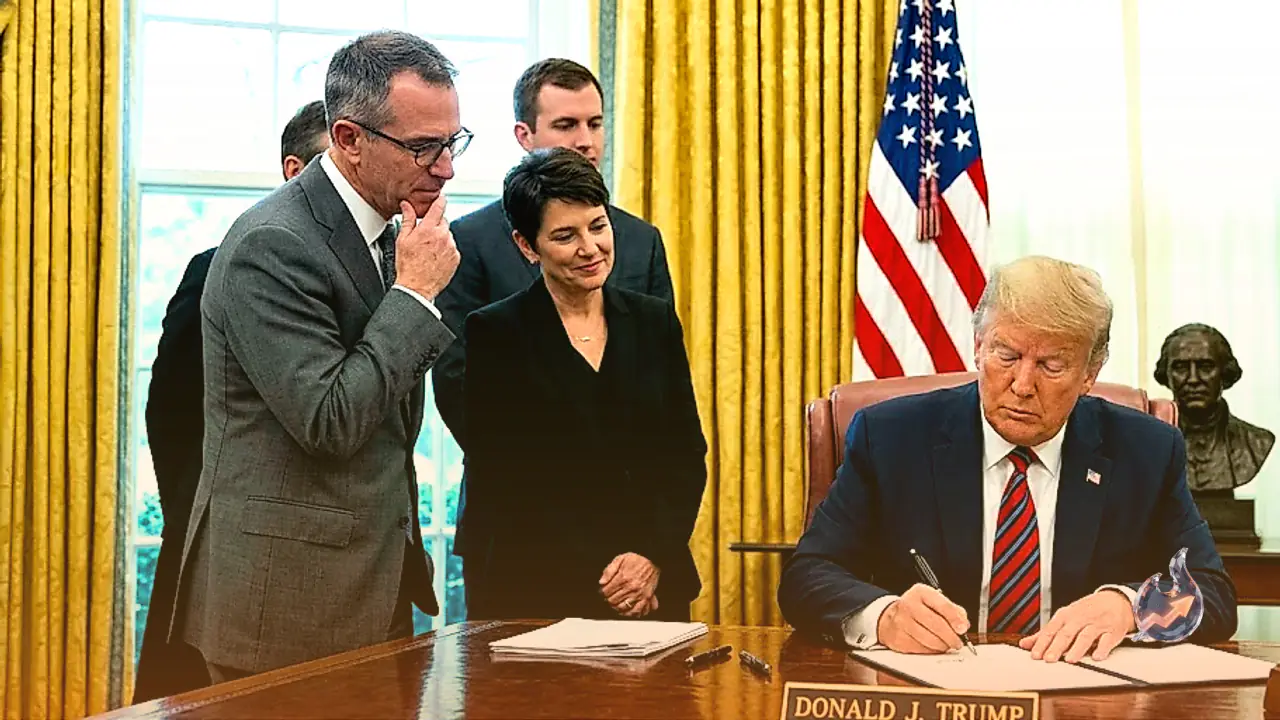














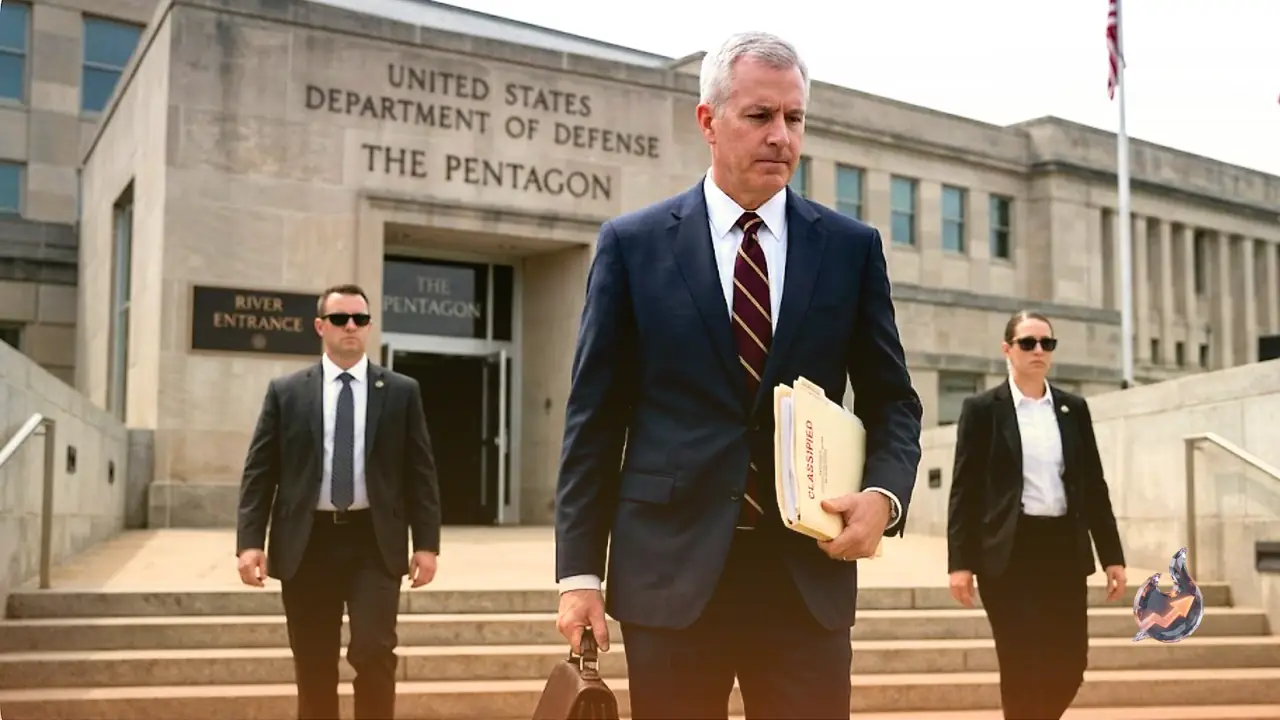

The United States Department of Defense has launched an active investigation into a massive data exposure involving Dialog, an exclusive networking group. This security lapse has left highly sensitive personal information of dozens of top-tier national security and military personnel vulnerable. Among those whose details have been exposed are a senior White House intelligence advisor and an active-duty intelligence officer working with an elite, highly classified special operations unit. The exposure has triggered deep anxiety within Washington’s intelligence circles regarding the safety of active operatives.
A Gateway for Foreign Espionage
Foreign intelligence agencies, particularly from adversarial nations, are constantly on the lookout for personal data belonging to military and intelligence professionals. Having access to such details allows hostile agents to track, monitor, blackmail, or attempt to recruit operatives both within their domestic borders and while stationed on foreign soil. For individuals who are actively deployed on sensitive missions, such data leaks do not just represent a breach of privacy; they introduce severe, potentially life-threatening operational risks. Because of these pressing national security concerns, the White House requested that the specific identity of the National Security Council (NSC) official involved in this leak be kept strictly confidential, choosing not to issue any formal public statement regarding the incident.
Inside the Dialog Data Leak
Dialog is an exclusive, invitation-only organization that hosts private retreats. The latest security breakdown stems from the group's upcoming gathering scheduled for this August, located in a scenic retreat outside Dublin, Ireland. The data leak compromised the login tokens, personal contact details, and private survey responses of approximately 222 registered participants. This attendee list includes an array of active-duty and former senior military officers, intelligence operatives, and national security strategists from the United States and its international allies. Neither the NSC official nor the Tier 1 special operations intelligence officer had any previous history or long-term association with Dialog. Both individuals were invited to the Dublin retreat for the first time and had recently completed their registration as new members.
Tech Failure Mislabeled as a Cyberattack
While Dialog has privately attempted to characterize this incident as a sophisticated "cyberattack," technical evidence indicates a far simpler and more embarrassing culprit: a glaring misconfiguration on the organization’s own website. The security loophole was so severe that any random user could easily bypass security protocols. By simply registering a new account using any arbitrary email address and logging in, anyone could view and download the restricted files merely by accessing the main landing page of the group’s dedicated web application. This major vulnerability was initially uncovered thanks to a tip sent to maia arson crimew, a well-known Swiss DJ and independent cybersecurity researcher. Currently, it remains entirely unknown how long these highly sensitive files were left open to the public internet, or if any hostile foreign intelligence services managed to harvest the database before the loophole was closed.
The Profile of the Researcher
Maia arson crimew is no stranger to high-profile security discoveries. In 2021, federal prosecutors in the United States indicted her on hacking-related charges, though she has never been arrested or convicted of any crimes, nor has she faced subsequent prosecution. Her prominence in the cybersecurity community grew significantly in 2023 when she stumbled upon an unsecured server containing a complete copy of the United States government’s highly classified No Fly List. She subsequently shared those files with selected journalists alongside a detailed technical breakdown of the server’s vulnerabilities. Following the discovery of the Dialog leak, outside legal counsel representing Dialog sent a formal letter claiming that the data had been "stolen" and demanding the immediate destruction or return of any copied files. This demand was flatly rejected, and Dialog has remained completely silent, refusing to answer detailed inquiries regarding the vulnerability. The Pentagon's operations security (OPSEC) team confirmed they are actively investigating the situation to assess the damage.
Dossiers of Power: What Was Exposed
The level of detail contained within the exposed files is staggering. The dossier compiled on the NSC official, who is a former Central Intelligence Agency (CIA) officer, contains more than two dozen highly specific personal details. The database mimics a comprehensive corporate intelligence file, containing similar dossiers on tech founders, Hollywood actors, investigative journalists, and prominent hedge fund managers. Exposed information includes the official’s exact date of birth, home address, private mobile number, a high-resolution headshot photo, and a unique digital authentication token. Furthermore, the file maps out the official’s political beliefs and details the exact social and professional networks through which they were recruited into Dialog’s exclusive sphere.
The file also preserves the official's responses to Dialog’s onboarding questionnaire. These answers offer a fascinating glimpse into the mind of a top security official. In response to a prompt about future trends, the official predicted that "future espionage will target your behavior more than your secrets." They also recommended the Cold War political novel "Advise and Consent" by Allen Drury and provided intimate, unpublicized biographical details.
Elite Special Units and Legal Concerns
The file for the active-duty military intelligence officer followed the exact same template, exposing the same depth of personally identifiable information. Records show that this officer was nominated to join Dialog by another military official stationed at a major command headquarters. Because exposing the identities of active military personnel can severely compromise ongoing operations and threaten physical safety, their names and specific unit affiliations are being withheld.
Legal experts note that identifying elite special missions units can frequently cross the line into exposing classified information. Bradley Moss, a Washington-based national security lawyer who specializes in federal employment and security clearances, explained that certain intelligence operatives are granted enhanced legal protections under the federal Intelligence Identities Protection Act (IIPA). However, Moss pointed out that the IIPA's statutory definition of a "covert agent" is incredibly narrow, meaning that the majority of active intelligence officers do not technically qualify for these specific federal protections, leaving them in a legal gray area when their personal data is exposed via third-party leaks.
Dozens of Elite Profiles Compromised
The vulnerability extends far beyond just these two individuals. The compromised database contains detailed records of more than 20 active and former military and intelligence officials. This roster includes a retired United States general who once held a commanding position within the American intelligence community, as well as a former high-ranking security official who managed sensitive security operations in Israel and the Palestinian territories. For several attendees, the files even went so far as to expose the names, phone numbers, and home addresses of their spouses and other family members listed as emergency contacts.
The Dialog registration questionnaires also elicited a wide array of unusual and highly candid disclosures from other prominent figures. A former director of a technology office within the Pentagon warned of upcoming "acts of domestic terrorism against AI datacenters" while casually sharing that he had once personally held one of Saddam Hussein’s famous gold-plated AK-47 assault rifles. Meanwhile, the head of security at a leading artificial intelligence company predicted a surge in "significant political violence" driven by mass job displacement caused by AI. In another file, a national security lead working at an AI laboratory recalled a personal anecdote about auditioning to perform on a tour for a world-famous pop star. Collectively, these details paint a worrying picture of how easily the personal lives and thoughts of elite security figures can be laid bare by a simple web development mistake.