






















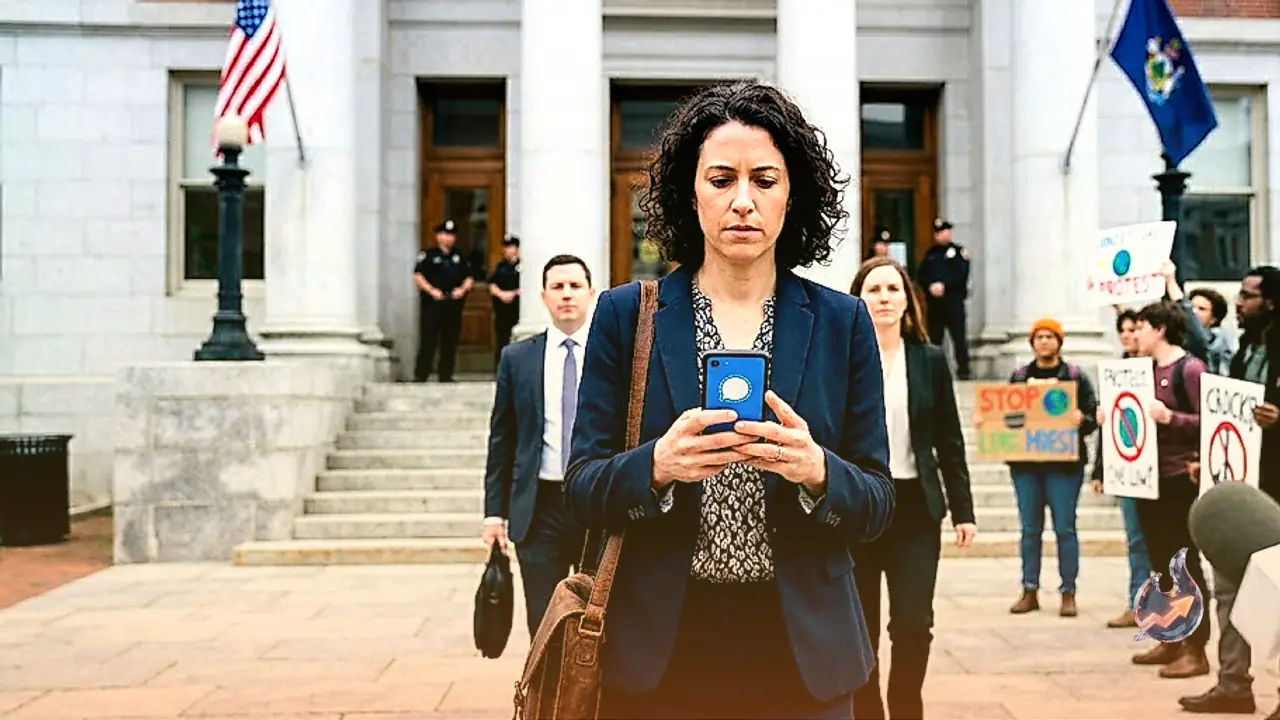

A major legal confrontation has emerged in a federal court in Maine over government surveillance and civil liberties, as federal authorities attempt to gain access to encrypted group messaging records used by immigration protesters. The dispute stems from a lawsuit filed earlier this year by local residents who accuse the Department of Homeland Security of violating their First Amendment rights through systematic monitoring of their peaceful activities.
Federal Lawsuit Exposes Government Surveillance Demands
The court case, formally titled Hilton v. Noem, was initiated after residents in Maine began documenting and responding to intensified immigration enforcement operations across their local communities. According to court records, community members created private group channels on the messaging platform Signal to share real-time updates on when and where Department of Homeland Security agents were operating. The plaintiffs assert that federal officials engaged in invasive surveillance practices aimed at intimidating observers. One female plaintiff detailed an incident where Department of Homeland Security agents scanned her face and recorded her vehicle's license plate details while she was monitoring Immigration and Customs Enforcement activities. During the encounter, agents informed her that her personal information would be entered into what they described as a nice little database.
Broad Scope of Information Demanded by Prosecutors
As part of the ongoing discovery phase of the litigation, federal attorneys requested an extensive collection of records from the plaintiffs. Details of these requests were disclosed in a formal court declaration by Genevieve Nadeau, an attorney representing the protesters who serves as special counsel and program lead for Protect Democracy's Civil Society Defense. The government's discovery demands encompassed a comprehensive list of all demonstrations attended by each named defendant, alongside all personal communications, including comments and online likes, that reflected their opinions or beliefs regarding law enforcement personnel, tactics, operations, and official activities. Furthermore, federal prosecutors demanded all records of communications concerning opportunities to observe or record Immigration and Customs Enforcement activities in Maine from January 20, 2025, to the present date.
In response to these sweeping requests, legal counsel for the protesters submitted a formal letter to the Department of Justice in June, confirming that they were intentionally withholding all community-wide Signal group chats that might otherwise fall under the government's scope. While attorneys provided smaller Signal group records to the court, they carefully redacted contact details of individuals who are not named plaintiffs in the lawsuit. They also removed any communications that disclosed the operational priorities, strategies, or tactics of the community groups. During depositions, government lawyers repeatedly questioned plaintiffs about the inner workings of these chats, inquiring whether public officials or unnamed political organizations participated, whether individuals residing outside Maine were involved, and who served as the primary organizers of the communications.
Constitutional Arguments and Civil Liberties Concerns
The attempt to obtain private messaging records has drawn strong criticism from civil rights attorneys and legal scholars who view the demand as a dangerous threat to constitutional protections. Genevieve Nadeau emphasized that the government is seeking unauthorized access to private Signal chats used by communities in Maine and across the country to coordinate lawful responses to street-level abuses of power. She stated that attorneys are asking the court to deny access and halt government intrusion into fundamental First Amendment rights of collective action. Neither the Department of Homeland Security nor the Department of Justice responded to requests for comment regarding their legal positioning.
Legal experts from outside civil liberties groups have also sounded alarms over the broader precedent this case could set for future constitutional litigation. Adam Steinbaugh, a senior attorney at the civil liberties organization FIRE, pointed out that individuals should not be forced to surrender their First Amendment right to expressive association simply because they filed a lawsuit to defend those very rights. Civil liberties advocates argue that allowing prosecutors to compel the disclosure of private group chats would create a severe chilling effect on free speech and collective assembly.
Wider Crackdown on Immigration Policy Critics
The legal struggle over the Signal group chats comes amid a broader pattern of aggressive federal actions targeted at individuals critical of official immigration enforcement policies. Federal agencies have repeatedly sought to identify anonymous online critics, going so far as to issue administrative subpoenas to technology companies to obtain the identities and personal data of dissenters, including at least one Canadian citizen. Concurrently, internal oversight bodies within Immigration and Customs Enforcement have conducted investigations into more than 100 reported instances involving doxing and alleged threats directed at agency personnel.