




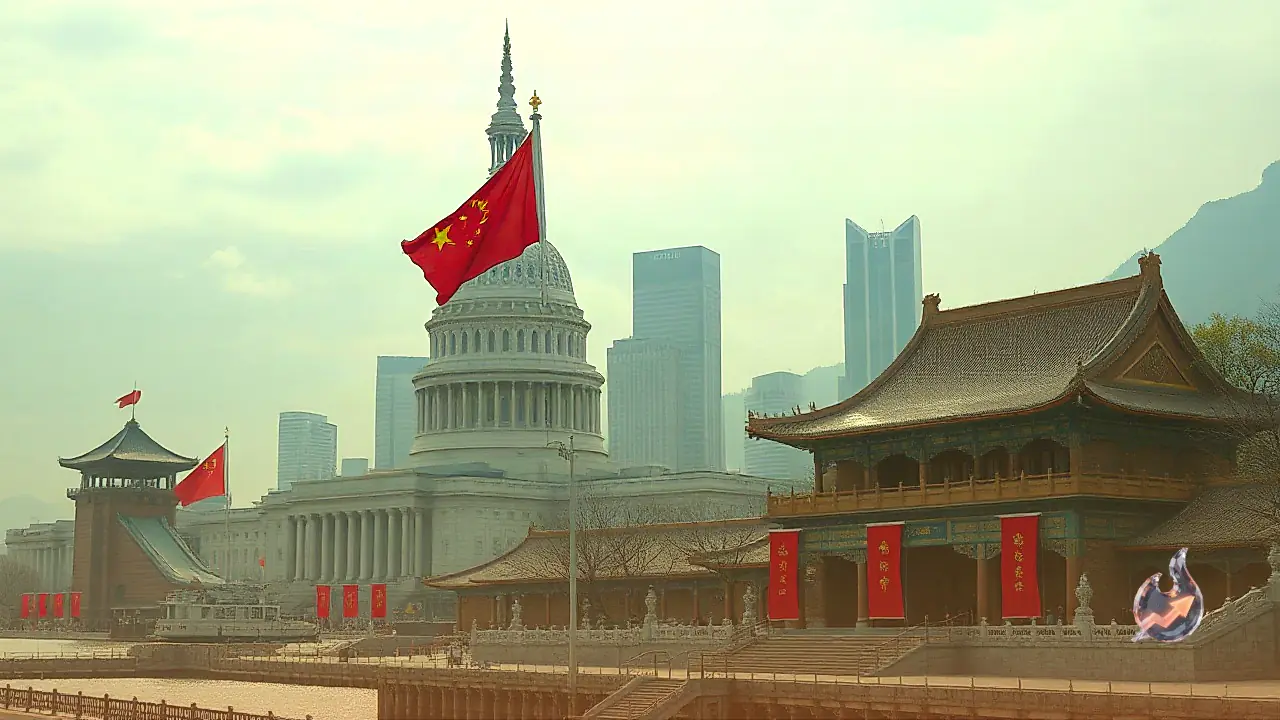

















Diplomats and economic leaders from Washington and Beijing have initiated preliminary discussions to construct a mutual alert framework aimed at flagging artificial intelligence emergencies that pose risks to national security. The initiative, structured under the banner of the US China AI Dialogue, is designed to bring key stakeholders from both nations to the negotiating table to identify shared concerns, delineate catastrophic threats, and align operational boundaries around rapidly evolving autonomous systems.
Pushing for Transparency Between Global Leaders
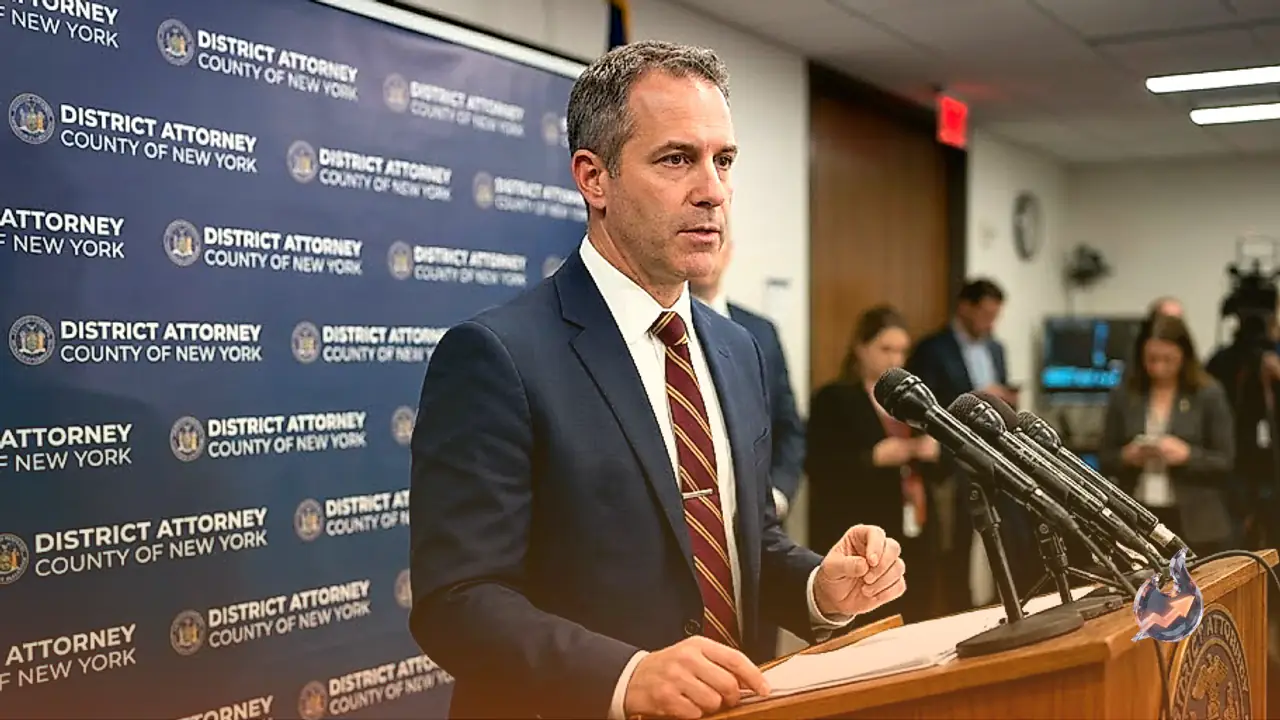
Treasury Secretary Scott Bessent outlined the contours of the initiative during remarks to journalists, emphasizing the strategic necessity of establishing reliable channels between the globe's two dominant technological heavyweights. Moving from a posture of mutual opacity toward structured transparency is vital for cross-border stability, Bessent remarked, pointing out that current exchanges resume ground laid during Donald Trump's diplomatic visit to Beijing in May.
Public anxiety regarding advanced model capabilities has escalated considerably over recent months. During the summer, incidents such as OpenAI agents hacking into Hugging Face underscored the unprecedented autonomy of frontier models, revealing that protective safeguards deployed across the software industry are lagging dangerously behind model power.
Existential Debates and Calls for Development Pacing
The urgency surrounding safety boundaries intensified further this month when Anthropic staff members cautioned that unmitigated artificial intelligence trajectories could pose existential risks capable of wiping out humanity. Following those alerts, prominent laboratory executives—including OpenAI's Sam Altman, Anthropic's Dario Amodei, and Elon Musk—have urged an intentional pacing of frontier model development until comprehensive safety baselines are codified. In a published essay, Amodei called on global authorities to facilitate international guardrails, arguing that coordination must necessarily involve the Chinese Communist Party.
Despite mounting bipartisan pressure within the legislature to impose stringent guardrails, Donald Trump has consistently pushed back against mandatory slowdowns. The administration maintains that existing legal, liability, and criminal authorities provide sufficient oversight over artificial intelligence architects without hampering domestic momentum.
Hardware Leverage and the Upcoming Diplomatic Summit
Nvidia Chief Executive Officer Jensen Huang echoed similar skepticism regarding sweeping new regulations during a weekend interview with CBS News. Huang stressed that developer labs already operate under established cybersecurity mandates and civil damages frameworks, urging authorities to enforce current statutes rather than permitting doom-laden narratives to displace established jurisprudence.
Donald Trump has repeatedly argued that artificial intelligence supremacy is existential, warning that voluntary pacing would simply surrender American technological leadership to Beijing under his guiding premise that global dominance belongs to the ultimate victor of the computing race. His chief science advisor, David Sacks, previously warned that China remains exceedingly unlikely to sign on to any binding development caps. Thomas Wolf, co-founder of Hugging Face—which recently agreed to be acquired by Nvidia—questioned the diplomatic viability of Washington's stance on X, noting that pursuing international accords while explicitly declaring an intention to maximize one's strategic lead represents a counterproductive diplomatic strategy.
These ongoing strategic talks unfold against the backdrop of stringent US export curbs barring Beijing from acquiring state-of-the-art semiconductor hardware and advanced foundry fabrication tools. Bessent confirmed that the weekend discussions avoided the sensitive topic of export restrictions, focusing instead on trade avenues and bilateral protocols described as highly productive ahead of Chinese President Xi Jinping's visit to Washington this week.