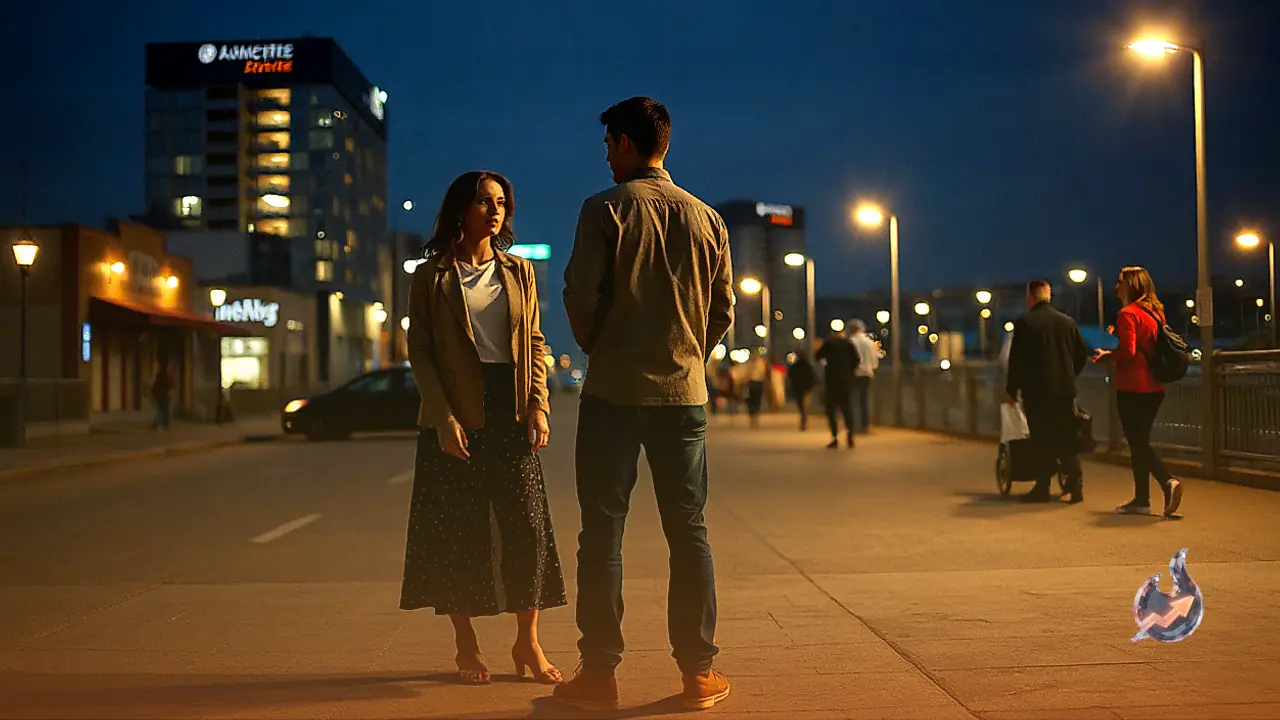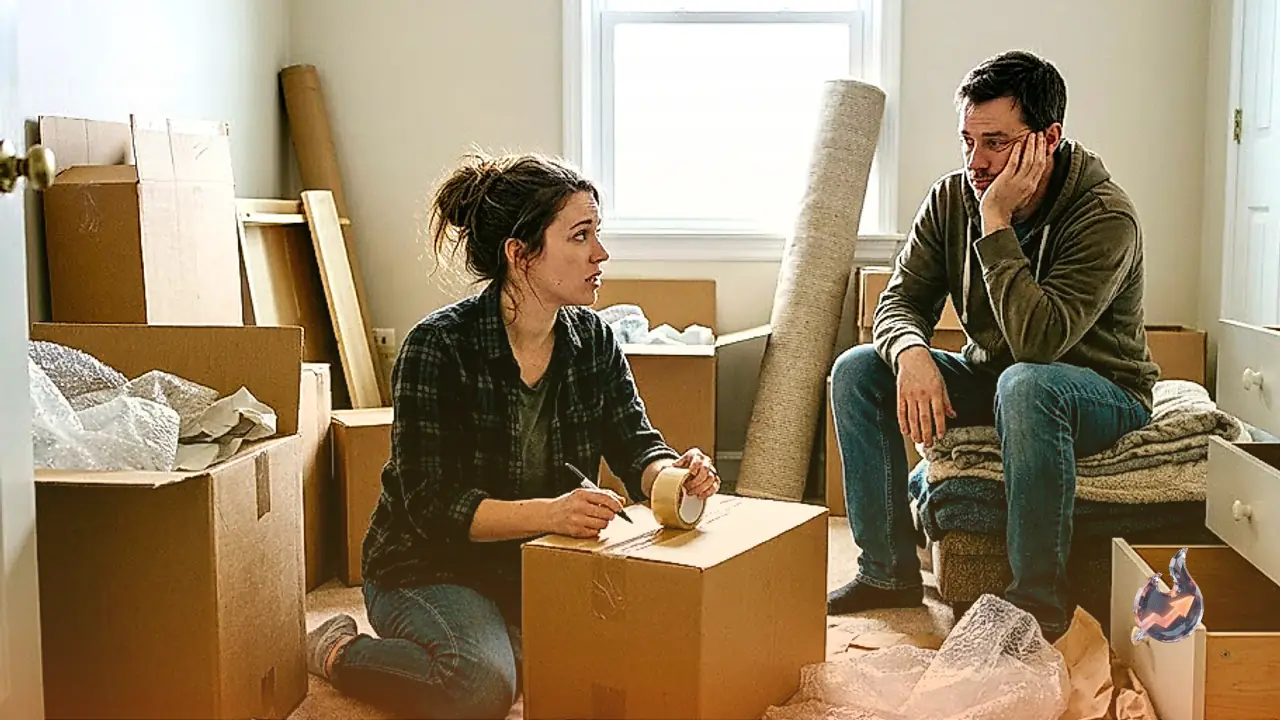























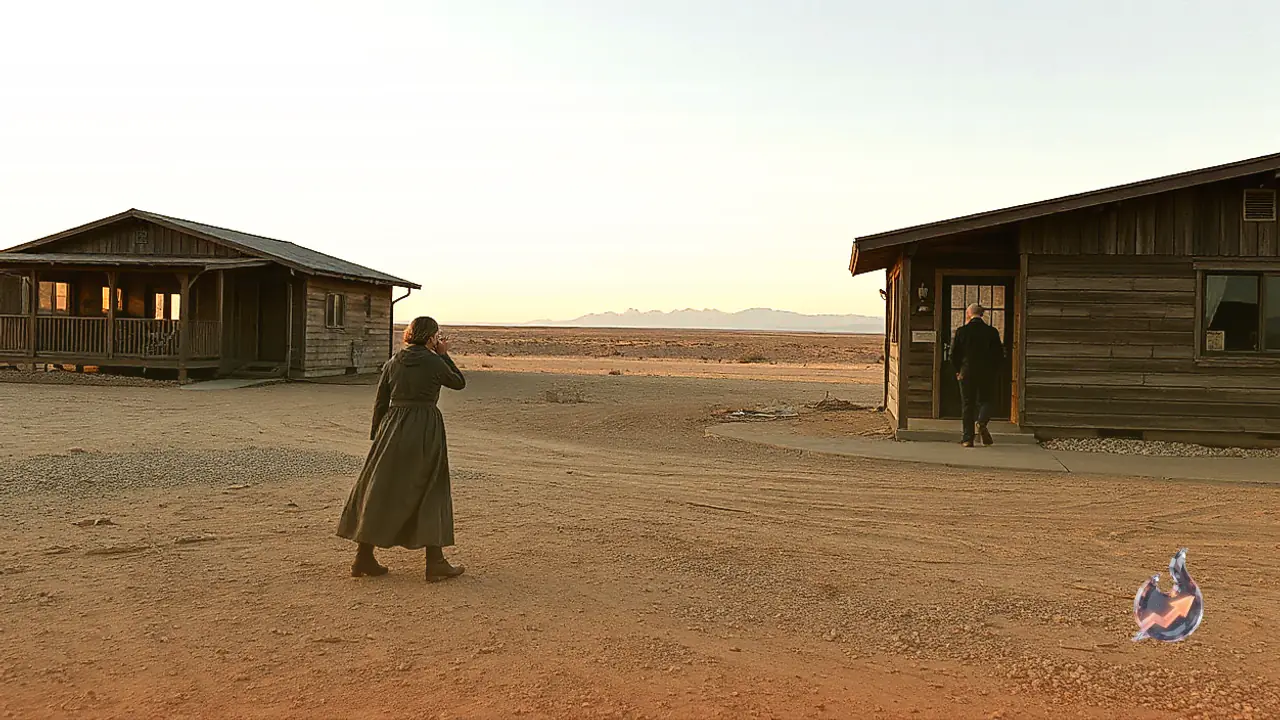

Returning home at the end of a demanding day is typically expected to bring relief and comfort in the company of a loved one. However, turning into the driveway and feeling a sudden wave of dread or disappointment at the sight of a partner's parked vehicle suggests that something fundamental may be amiss. A recent discussion across online platforms highlighted how this subtle reaction often serves as an early indicator of deep-seated trouble in a partnership, even while daily routines appear completely intact on the surface.
The conversation gained traction after participants on the social platform Reddit began examining the very first minor signals that warned them a bond was deteriorating. Many individuals described an immediate sinking feeling upon hearing an engine pull up outside or spotting their significant other's car. Others recalled sitting motionless inside their vehicles for extended periods before unlocking the front door, desperately clinging to their final moments of quiet isolation while preparing themselves emotionally for whatever negative mood awaited them indoors.
Delaying Arrival to Cope With Domestic Tension
This emotional coping mechanism is not confined solely to households with driveways or vehicle owners. In densely populated urban areas such as London, where personal car ownership is less frequent, individuals experience identical sensations upon seeing illuminated windows from the street or finding the front gate unlatched. One commuter revealed adopting the habit of disembarking from the public bus several stops prior to their destination, choosing to walk for up to an hour simply to stall their arrival and brace for the dynamic inside the house.
Such avoidance tactics reveal a shift in how the domestic environment is perceived. When a shared living space ceases to provide solace and instead demands psychological defenses, emotional disconnect inevitably follows. The impulse to delay stepping across the threshold points to an unspoken burden that has settled between both individuals.
Does This Reaction Guarantee a Breakup?
Addressing these shared experiences, sex and relationship expert Annabelle Knight notes that while such feelings confirm that something is not entirely right within the dynamic, they do not automatically dictate that the relationship is finished. Knight, associated with Lovehoney, points out that the urge to avoid a partner upon arriving home often stems from a simple, unfulfilled craving for solitary downtime following exhausting professional demands.
Frustration naturally builds when someone anticipates a peaceful evening by themselves only to find that expectation abruptly removed. Knight emphasizes that desiring solitude is a completely healthy human inclination rather than proof of romantic failure. In a resilient relationship, partners possess the openness to communicate their need for space directly, preventing quiet annoyance from simmering beneath the surface.
The Critical Line Between Solitude and Resentment
When personal boundaries remain unexpressed, silent irritation can fester into enduring resentment, creating cracks that eventually dismantle the entire connection. Initiating an honest conversation about individual decompression routines can frequently resolve the tension before permanent damage occurs. However, there is a clear distinction between wanting a quiet evening alone and experiencing genuine panic at the thought of encountering a partner.
If crossing the doorway elicits genuine distress rather than simple fatigue, it typically indicates that deeper emotional safety has eroded. In such instances, examining the relationship closely and evaluating whether personal happiness would be better preserved through a separation becomes an essential step forward.