

















To prevent massive gridlock during the festive rush of Diwali, traffic authorities in Rajasthan's capital of Jaipur have enforced strict vehicular curbs across the city. As part of this comprehensive management plan, all heavy commercial passenger coaches and private sleeper buses are barred from entering central municipal boundaries. This temporary restriction remains operational from November 3 through November 9, with the primary goal of keeping the walled city areas and central commercial corridors free of congestion for festive shoppers and daily commuters.
Four Decentralized Bus Hubs Established 20 Kilometers Out
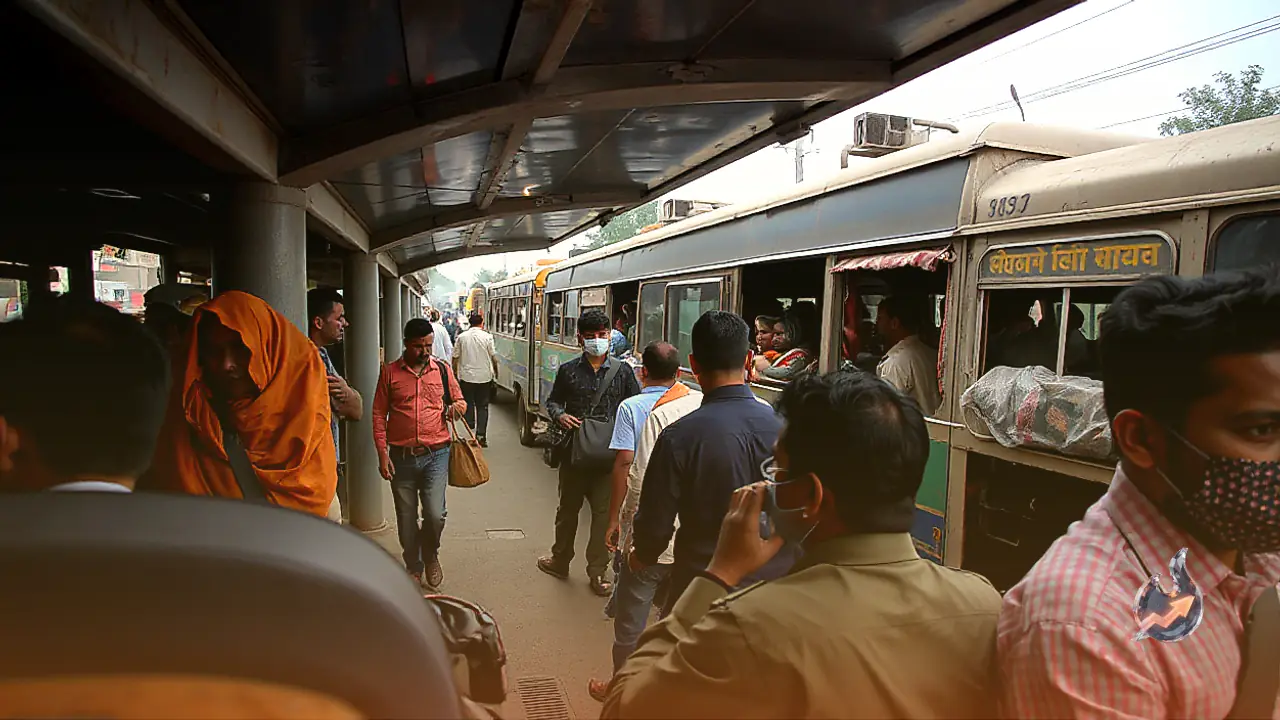
With large passenger carriers prohibited from operating inside central terminals, transportation authorities have established temporary bus boarding points roughly 20 kilometers away along the city's peripheral ring. Bus operations have been redistributed across four external sectors based on transit directions
- Delhi and Agra Route: Coaches heading toward Delhi and Agra are now boarding passengers near the Bajri Mandi bus stand circle located in Transport Nagar.
- Ajmer Route: All private operators and sleeper buses bound for Ajmer Road have been relocated to the Heerapura bus stand situated in Bhankrota.
- Tonk Route: Passengers travelling toward Tonk Road must now access buses from underneath the old bypass B-2 Bypass cloverleaf interchange.
- Sikar and Jhunjhunu Route: Long-distance services bound for the Shekhawati belt are operating from designated grounds adjacent to the Vidhyadhar Nagar Stadium.
Last-Mile Transit Vacuum Pushes Cab Expenses up to Rs 500
While the curbs aim to decongest central thoroughfares, they have placed a heavy logistical and financial burden on festival commuters heading home. Residents living in densely populated neighborhoods such as Mansarovar, Sanganer, Pratap Nagar, Jawahar Nagar, and the historic walled city must negotiate long distances to reach these peripheral pickup points. In the absence of an adequate municipal feeder bus network or synchronized public transport links, travelers are left at the mercy of private auto-rickshaws and app-based taxis. Reaching remote spots like Transport Nagar or Heerapura is forcing commuters to shell out an additional Rs 400 to Rs 500 for local transit alone.
Local Cab Fares Surpass Intercity Ticket Prices on Regional Routes
The outward relocation of boarding points has created a striking discrepancy where the cost of reaching the bus stop often exceeds the fare of the actual interstate journey. For instance, a regular bus ticket to Sikar begins at a modest Rs 141, the state roadway fare to Bundi stands at Rs 249, and transit to Kota costs Rs 260. On the Delhi route, standard tickets start around Rs 380, while premium AC sleeper coaches exceed Rs 800. For passengers traveling to nearby districts on tickets priced below Rs 300, spending up to Rs 500 simply to traverse the 20-kilometer distance to the city boundary has severely inflated travel budgets during the festive period.