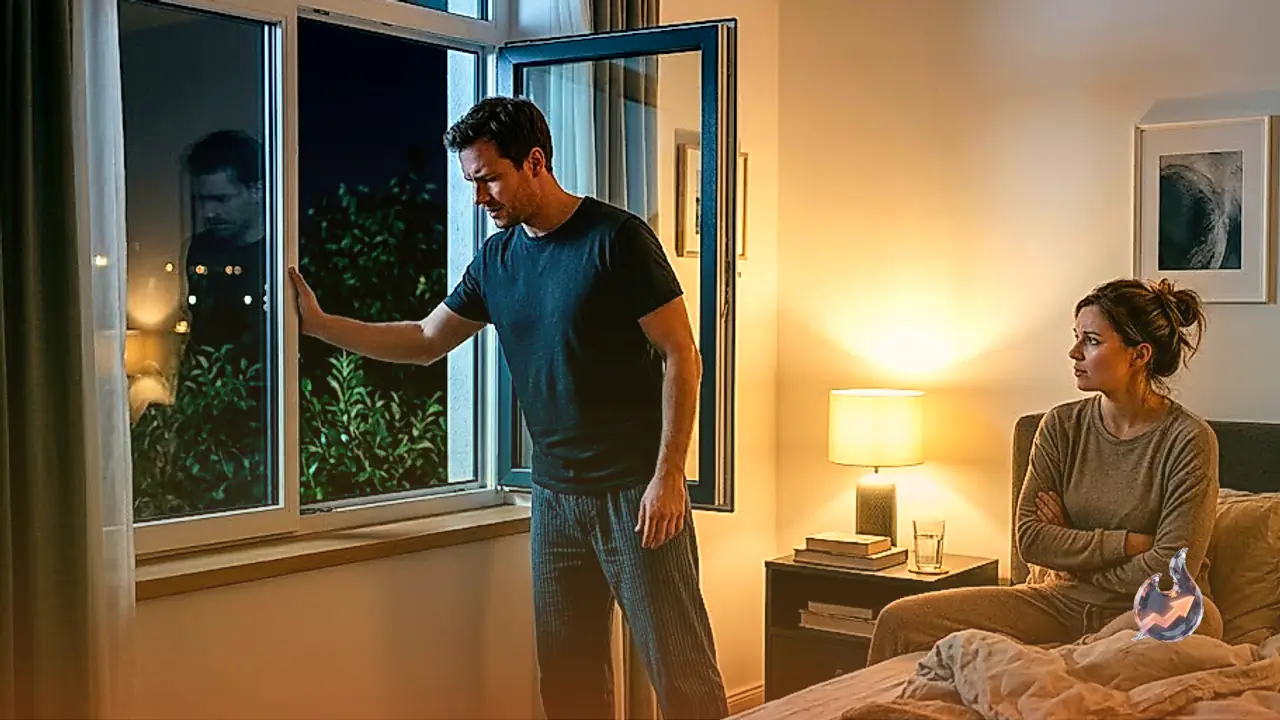






















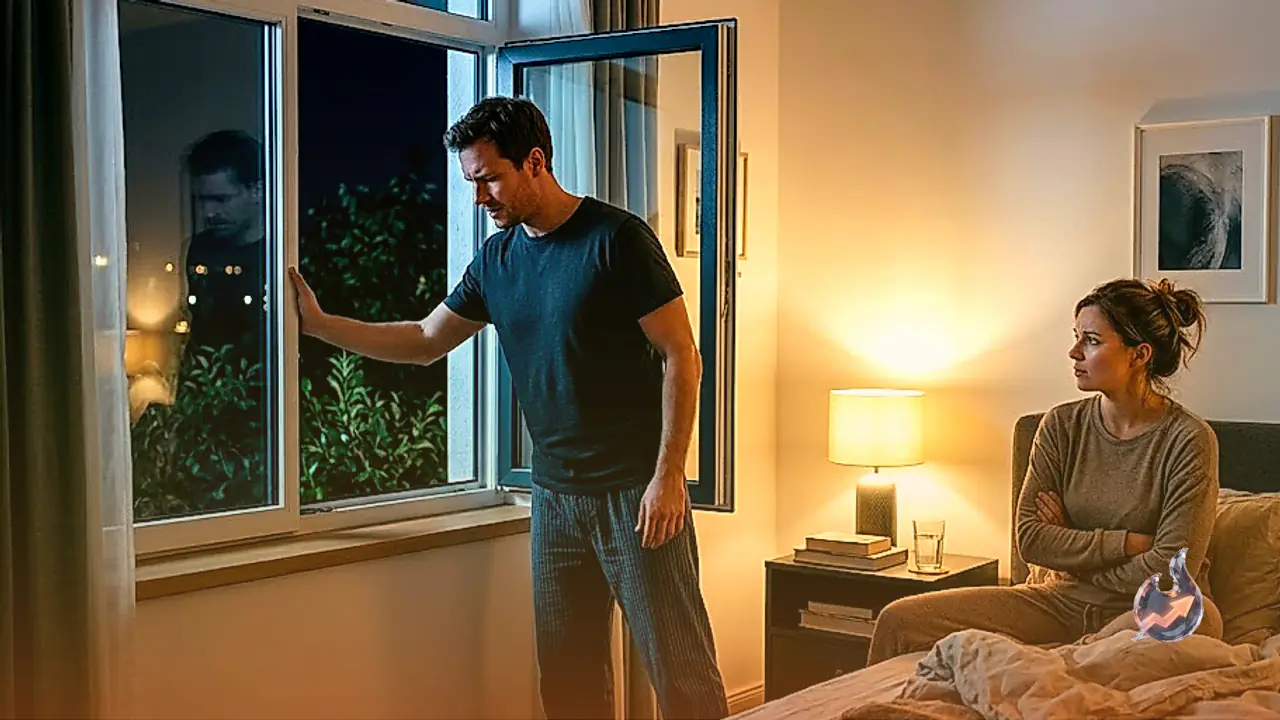

A quiet bedroom can quickly turn into a battleground over a seemingly trivial choice, namely whether the window should stay open or tightly shut through the night. In many shared households, bedtime reveals sharp personal divides over room temperature and ventilation. While one partner struggles to fall asleep in stagnant air, the other shivers under the sheets, dreading the slightest breeze. This division frequently leads to sleep disruptions, such as being jolted awake before dawn by street disturbances or neighbourhood wildlife simply because a window was left unlatched. Despite such inconveniences, advocates of cool air continue to defend their nightly ritual as the only way to get deep, uninterrupted rest.
The Clash Between Fresh Air Enthusiasts And Draft Haters
The divide between temperature preferences inside the bedroom often seems absolute. On one side are individuals who insist on cracking open a window throughout the entire calendar year. Even when autumn sets in and nighttime temperatures drop, they rely on a cold environment and a gentle current of moving air to fall asleep faster. For this group, waking up inside a room that feels stuffy or sealed off is intensely unpleasant. Conversely, their partners often experience genuine physical distress at the mere thought of nighttime drafts, feeling cold down to their bones.
In many homes, couples attempt to navigate this dilemma through temporary compromises. A common arrangement involves leaving the bedroom window wide open during the early evening hours to chill the space, with the clear understanding that it will be shut before both partners climb under the covers. Yet these pacts regularly unravel when the warmth becomes intolerable for one person in the middle of the night. For dedicated fresh air seekers, letting outside air circulate remains non-negotiable, even if it forces other members of the household to wear heavy jumpers indoors just to stay comfortable.
The German Practice Of Stoßlüften And Cultural Ventilation
While the habit of opening windows can cause domestic strife, in certain cultures it is elevated to a structured routine. According to All About Berlin, Germany embraces the well-established concept of stoßlüften, often colloquially referred to as house burping. This practice involves opening all windows and internal doors completely for a designated period, typically around 10 minutes every single day, to clear out indoor humidity and stale air.
This routine is conducted across all seasons without regard to how freezing the weather might be outside. Air renewal is regarded as essential for maintaining healthy indoor environments and preventing structural mold. The cultural commitment to proper airflow is so thoroughly entrenched across the country that specific ventilation obligations are frequently written into standard residential tenancy contracts, requiring tenants to air out their living spaces routinely.
Online Disputes And Broken Trust Over Bedroom Windows
The friction generated by incompatible sleeping habits regularly spills over into public internet discussions, highlighting just how common this grievance has become. On social forums, individuals often recount the emotional toll caused by sleepless nights and uncooperative partners. In a discussion on the relationship advice subreddit, user Kiwi-Dragonfly described how moving in with her boyfriend severely disrupted her sleep schedule due to his fixation on keeping bedroom windows open.
She explained that she initially attempted to adapt by donning thicker sleepwear, turning on an electrical heating pad, and wearing a headband to bed during warmer months. However, when seasonal temperatures plummeted, the room became unbearable. The couple eventually agreed to sleep with all windows fully closed, but the resolution proved short-lived. The user described waking up freezing in the middle of the night, only to discover the window pushed open slightly once again. The act felt like a profound personal betrayal, leaving her with the impression that her partner had entirely dismissed her basic physical comfort and health.
Frustration flows in both directions across modern households. On the Ask Men Over 30 forum, user ptinnl sought perspective from peers regarding his girlfriend's insistence on throwing open multiple windows every morning. He noted that she repeatedly complained the house smelled stale and was too warm, whereas he had never experienced any urge to air out rooms daily. Over time, the divergent habits turned from a minor quirk into an ongoing source of irritation.
Physical Discomfort Supercharging Emotional Conflict
Annabelle Knight, a sex and relationship expert representing Lovehoney, emphasizes that the recurring stereotype of one freezing partner paired with an overheated partner is grounded in real physical differences. Extreme temperature sensations, whether excessive heat or penetrating cold, create direct physical discomfort. When people feel physically uneasy in their own beds, their emotional tolerance drops dramatically, making disputes escalate much faster than they normally would.
Knight points out that the true danger to a relationship lies not in the physical window itself, but in the attitude displayed by both individuals. A stubborn refusal to compromise serves as a significant warning sign between partners. Successful long-term partnerships depend fundamentally on active listening, mutual trust, and clear communication. When one partner unilaterally alters the environment against an explicit agreement, it signals a disregard for the other person's well-being.
Creating Sustainable Bedroom Compromises
Relationship specialists stress that regardless of which side an individual falls on, finding an equitable middle ground is essential for household harmony. Couples should resist turning room temperature into a battle of endurance or passive-aggressive maneuvers under cover of darkness.
Practical adjustments can bridge the temperature divide without leaving either partner stranded in misery. For instance, couples can agree to crack the window while outfitting the cold-sensitive partner with a higher-tog, warmer duvet or separate bedding. Alternatively, they can keep the window closed while providing the warm-bodied partner with lightweight sheets or personal cooling options. The chosen method matters far less than the cooperative process used to achieve it, ensuring both people feel respected and rested.