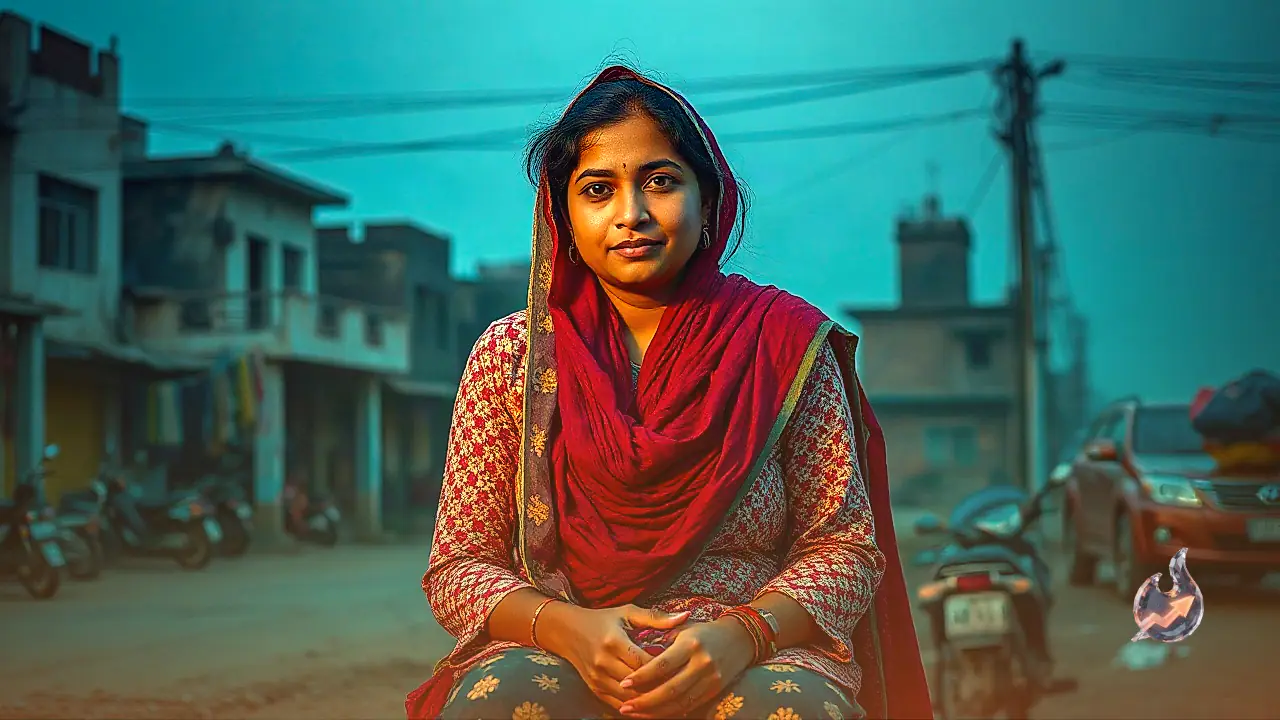







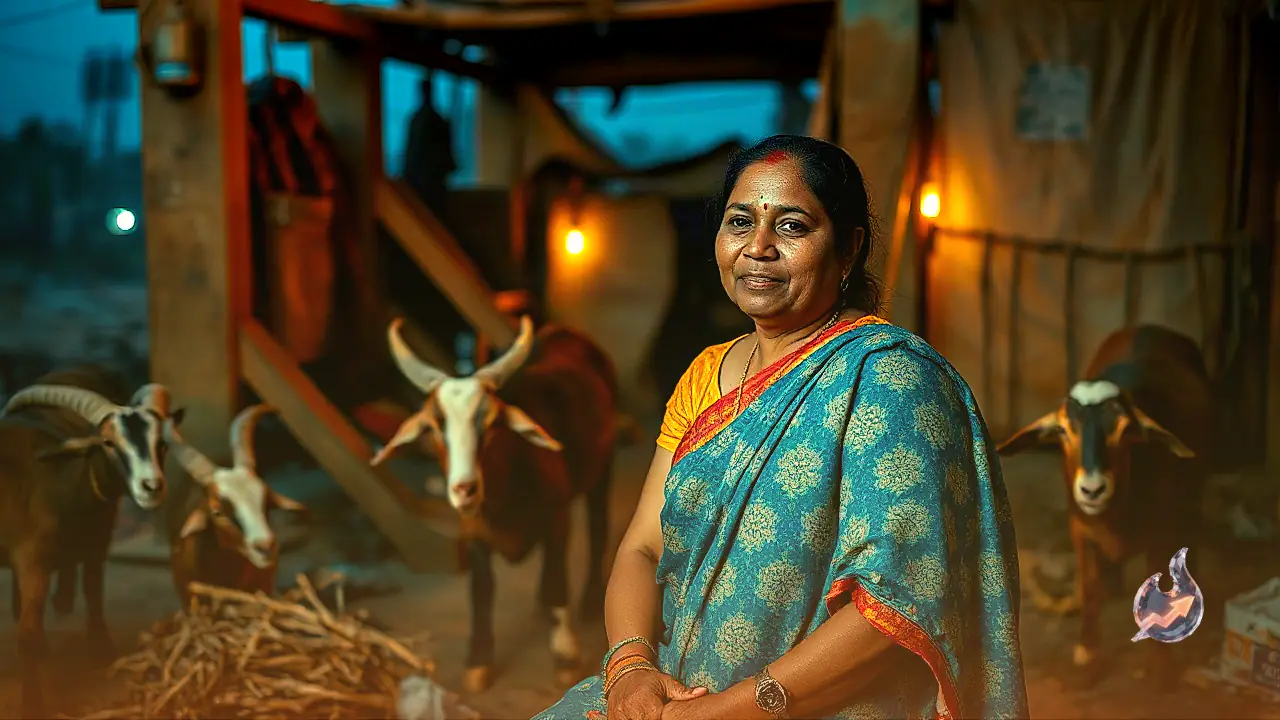














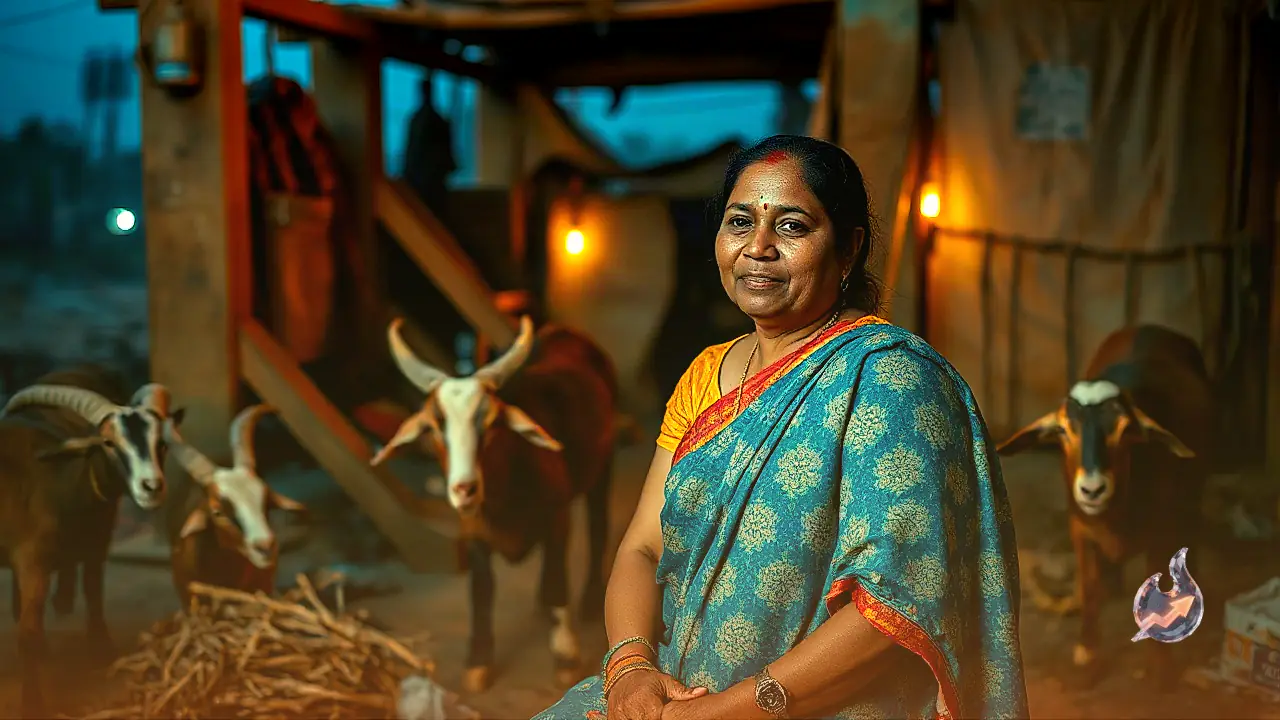

A compelling narrative of grassroots financial empowerment has unfolded in Bihar's Saran district, where a rural woman broke free from poverty through structured livelihood assistance. Champa Devi, a resident of Jankinagar Hasanpur panchayat in Garkha block near Chapra, once relied solely on erratic daily wage labor to sustain her household. The persistent search for work and the inability to guarantee regular meals or schooling for her children kept her in constant financial distress, until an opportunity arrived through state-backed rural intervention.
Joining the Jeevika Network and Launching Goat Rearing
Her fortunes took a positive turn when she was integrated into the Jeevika scheme, a community-driven poverty alleviation initiative. Under this framework, she became an active member of the Chandni self-help group. As part of asset generation support, the program provided her with 10 goats to establish an independent livestock activity. Rather than treating this purely as a short-term relief measure, she dedicated her efforts to animal care and flock expansion. Through systematic management, she gradually expanded the flock from the initial 10 to a total of 18 goats.
Reinvesting Livestock Revenue into a Buffalo and Shelter
The operational growth of her herd soon translated into tangible financial returns. By periodically selling goats and kids in local markets, Champa Devi accumulated steady revenue. Demonstrating sharp financial discipline, she utilized these earnings to purchase a buffalo costing over 50,000 rupees, effectively diversifying her income stream. Furthermore, the profits generated from her animal husbandry venture enabled her to construct a single-room house, giving her family much-needed residential security.
Dignity in Self-Employment and Ongoing Education
The enterprise has effectively eliminated the need for Champa Devi to depend on low-paying, uncertain manual labor for others. The regular cash flow from goat rearing now covers daily household provisions and guarantees uninterrupted schooling for her children by funding their tuition fees. Expressing gratitude to Vinita Didi for facilitating her entry into the program, Champa Devi credited continuous institutional guidance for ending her unemployment. She now plans to expand her livestock enterprise on a larger scale if continued institutional assistance remains available.