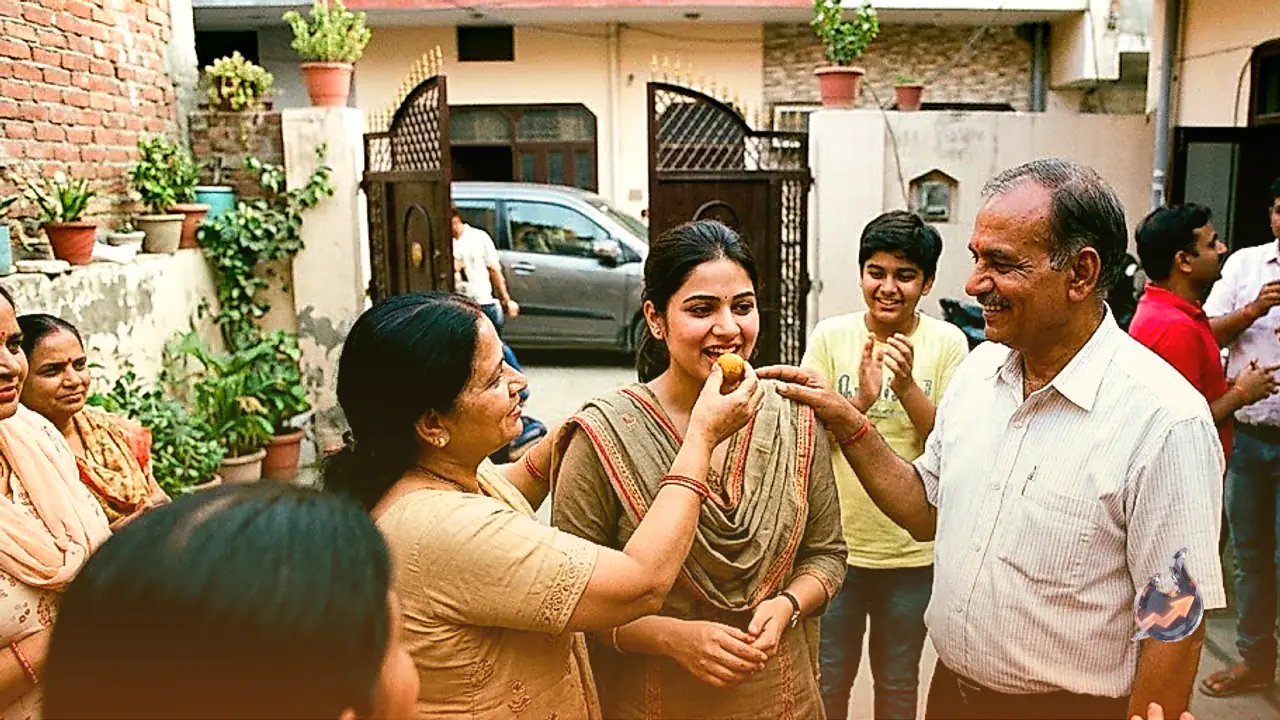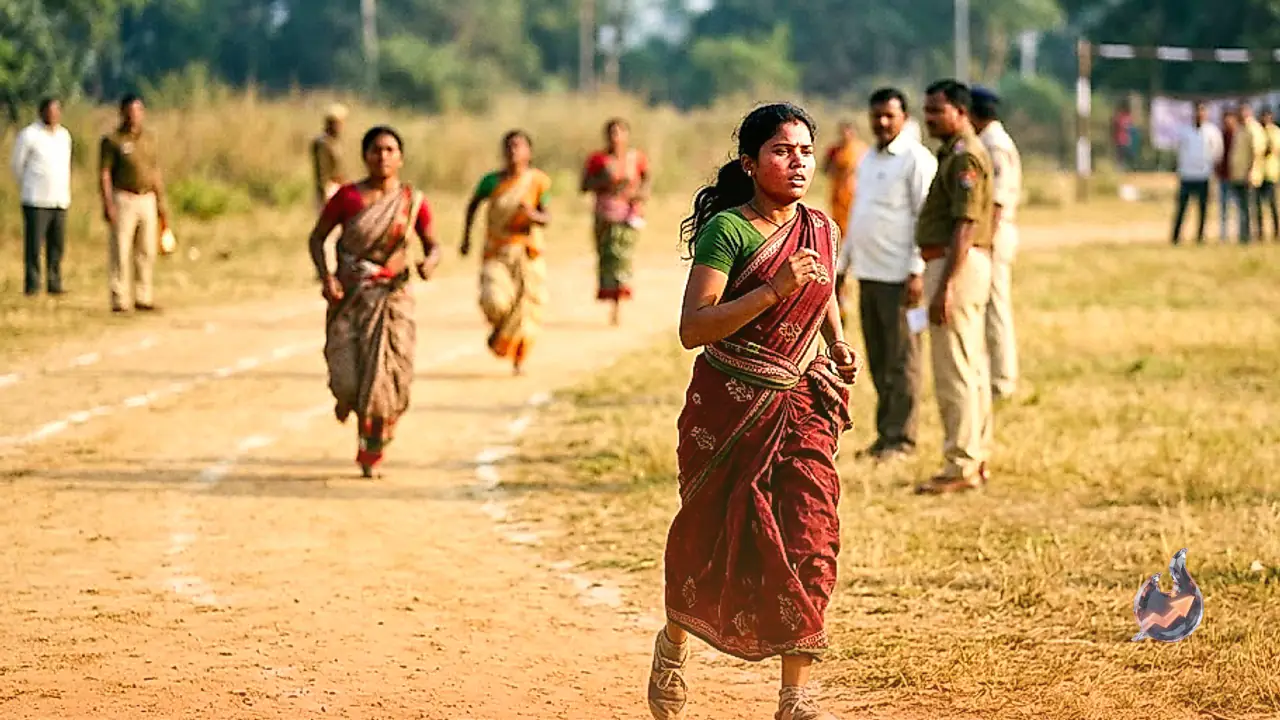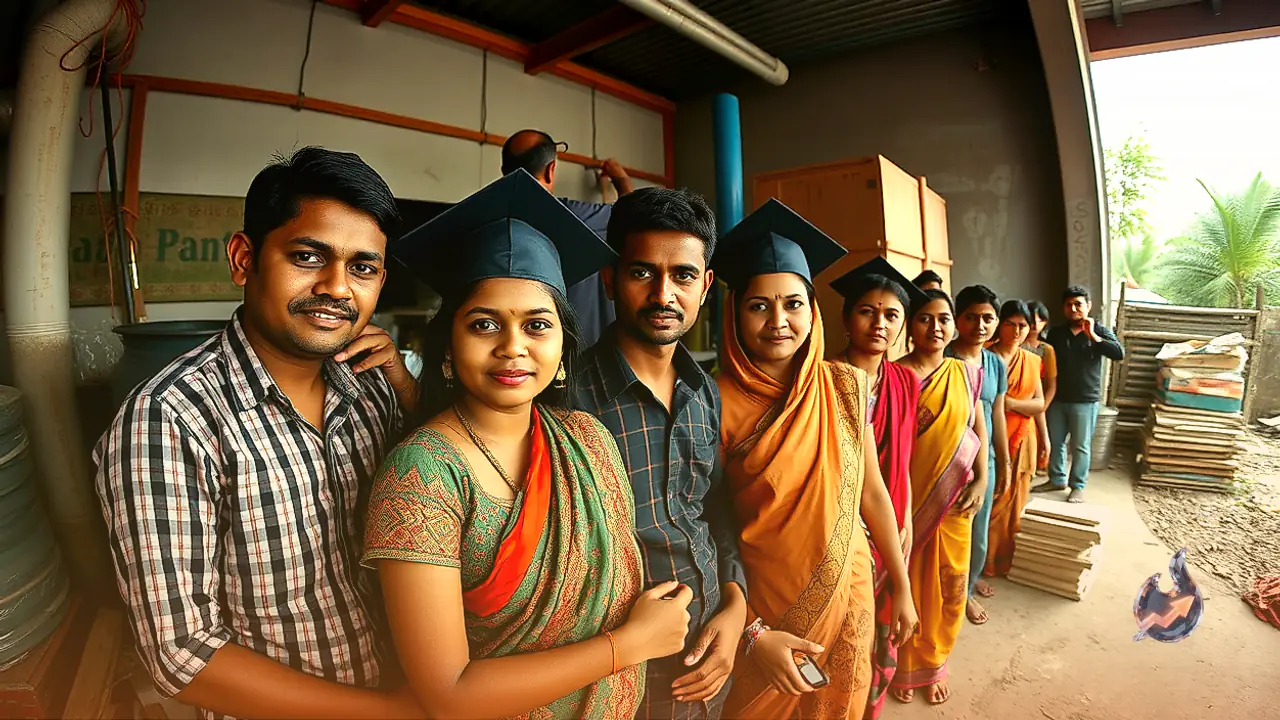



















When extreme personal adversity strikes at an impressionable age, it often defines a person's life trajectory. For Rani, who migrated from a modest village in Kanpur to the bustling commercial hub of Noida, personal hardship became the driving force behind a lifelong commitment to social service. Having lost both her parents at an early age, she was suddenly thrust into the role of primary caregiver for her younger siblings. During that harrowing period of bereavement, extended family members, society, and friends offered no meaningful assistance. Rather than succumbing to despair, Rani chose to confront her circumstances head-on, resolving to secure the future of her brothers and sisters. That grueling struggle forged in her an enduring empathy for destitute women, vulnerable girls, and helpless families who have no one to rely on during times of crisis.
Toiling in Agricultural Fields and Sacrificing College for Her Siblings
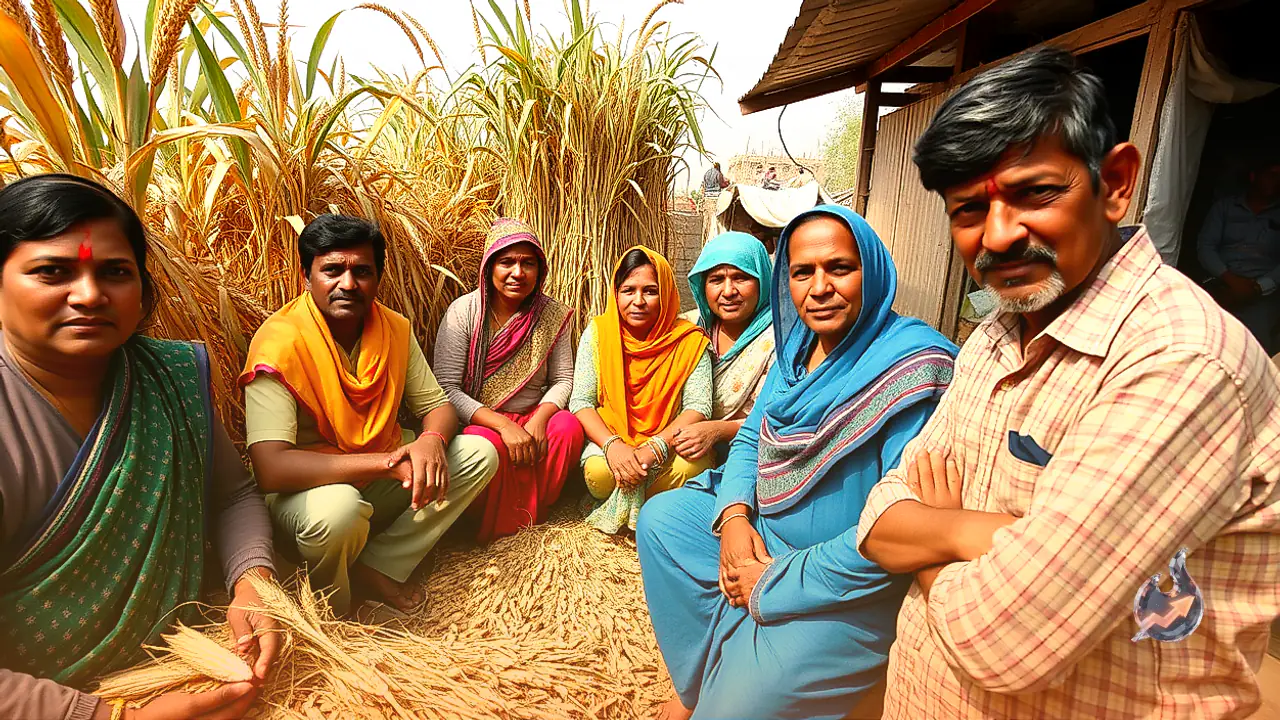
The turning point in Rani's youth came when she was studying in high school and her father passed away. The family's financial resources were completely depleted, making it nearly impossible to meet basic living costs, let alone educational fees. Determined not to drop out of school, Rani began working as an agricultural laborer in the fields of other villagers. Working grueling hours in manual farm labor enabled her to earn just enough money to pay her school fees, allowing her to clear her class 12 examinations. Encouraged by her academic progress, she enrolled in the first year of a Bachelor of Arts degree program. However, she quickly recognized that spending limited funds on her own higher education would deprive her younger siblings of schooling and everyday essentials. Placing her siblings' future above her personal ambitions, she made the conscious decision to abandon her college studies.
Stepping away from university, Rani turned to teaching as a sustainable way to provide for her household. She secured employment at a small local school while simultaneously conducting private tuition classes for students in the evenings. For approximately five years, she taught tirelessly, using her modest earnings to meet her family's needs while trying to arrange free school admissions for her younger brothers and sisters so their education could proceed without interruption.
Channeling Personal Earnings into Charity and Domestic Dispute Mediation
As family responsibilities gradually stabilized, Rani entered the formal workforce, but her social conscience remained acute. She began setting aside a dedicated portion of her salary to assist individuals living in extreme poverty who lacked basic necessities such as adequate clothing and food. Cutting back on her personal comforts to feed and clothe someone destitute provided her with profound fulfillment. Over time, her community work broadened to assisting women trapped in domestic violence and severe family friction.
In these disputes, Rani acts as an empathetic mediator, listening carefully to both parties, assessing the home environment, and conducting counseling sessions to resolve domestic conflict wherever possible. Her conviction is rooted in the belief that standing alongside vulnerable individuals in their darkest hours and ensuring they do not feel abandoned is one of the most vital forms of humanitarian aid.
Affiliation with Mahila Unnati Sanstha and Orphanage Outreach
Rani expanded the reach of her community work about a year ago when she discovered Mahila Unnati Sanstha through social media platforms. The organization has a longstanding record of tackling domestic abuse cases, promoting women's safety, and creating vocational opportunities for women, having notably trained India's first female JCB backhoe pilot. Recognizing a shared mission, Rani aligned herself with the non-governmental group to deliver targeted welfare interventions within her capacity.
Through this partnership, she regularly channels assistance to impoverished women, vulnerable children, and local orphanages. She places special emphasis on commemorative occasions such as Mother's Day, organizing support drives for disadvantaged mothers. Having lost her own mother before she had the resources to care for her, Rani views supporting struggling mothers as a meaningful tribute to her late mother's memory.
Balancing Corporate Administration with Grassroots Social Work
Today, Rani works as an administrative executive in corporate offices within the real estate sector in Noida. Following the disruptions of the coronavirus pandemic, she has worked across several companies in administrative capacities, all while maintaining her dedicated community service routines. Her long-term goal is to achieve greater financial and social independence, enabling her to expand the scale of her charitable initiatives and offer substantial backing to orphaned children, distressed women, and underprivileged households across the region.