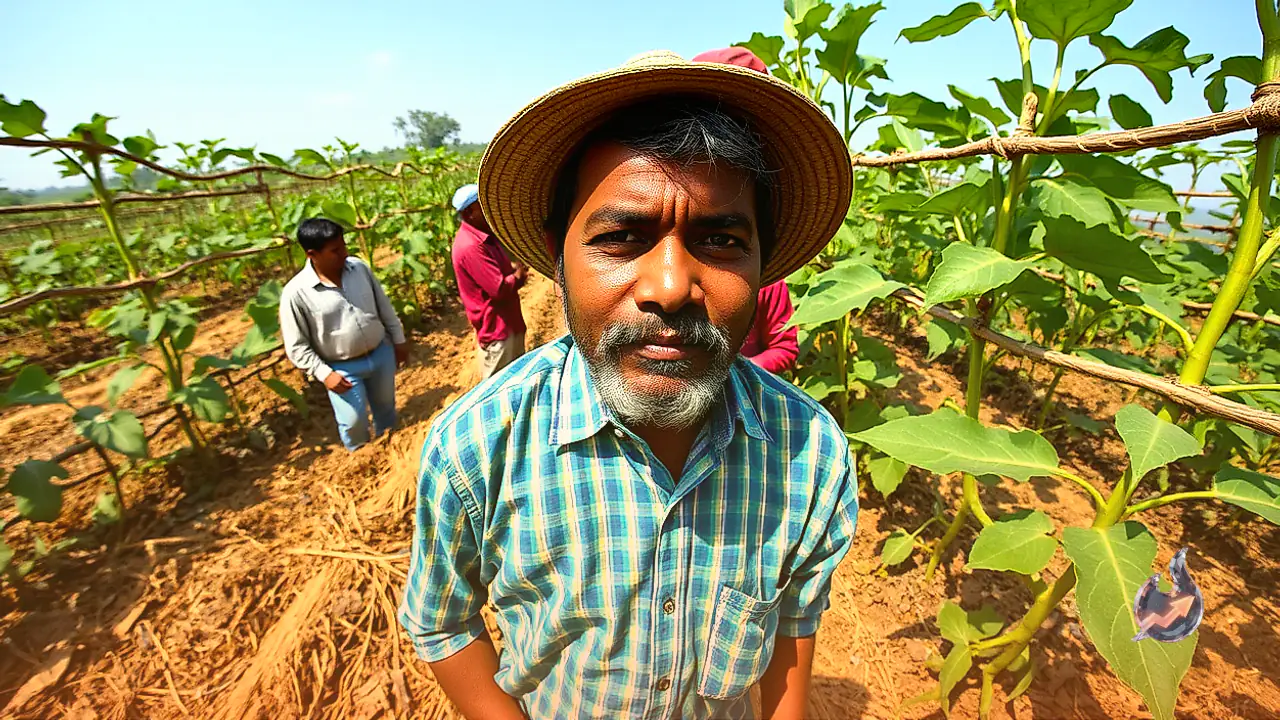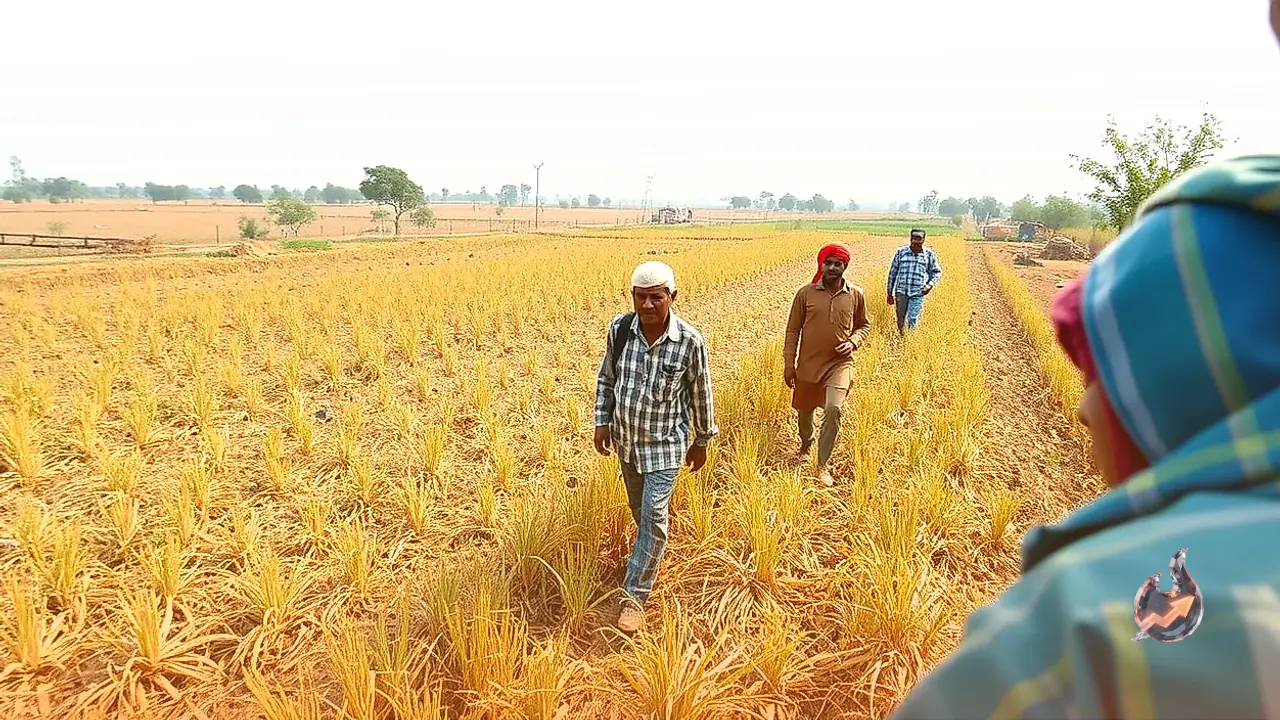
























A farmer in Madhya Pradesh has transformed his agricultural practices by entirely discarding chemical fertilizers and synthetic pesticides in favor of natural methods. Inspired by insights his wife gained from a local self-help group, Supdu Chauhan from Ek Jhira village in Burhanpur district adopted natural farming eight years ago, proving that sustainable agriculture can yield both higher profits and local community growth.
A Shift Driven by Family and Learning
Supdu Chauhan, who completed his education up to Class 12, spent years relying on conventional chemical fertilizers and chemical sprays to manage his fields. However, a major turning point occurred eight years back when his wife joined a self-help group in their area. During group meetings, she learned about the principles and economic advantages of organic and natural farming techniques. After she explained these sustainable methods to him, Chauhan decided to abandon chemical inputs entirely and switch to natural cultivation on his land.
On-Farm Resource Generation and Sustainable Crop Selection
Rather than purchasing expensive commercial fertilizers from external markets, Chauhan manufactures his own earthworm compost and vermicompost directly on his property. To protect his crops from pests without toxic chemicals, he prepares and applies Neemastra, a traditional neem-based natural solution. On his 5-acre agricultural plot, he practices mixed cropping, cultivating crops such as pigeon pea (tuar), maize, and a variety of seasonal vegetables. By reducing reliance on commercial inputs, he significantly cuts operational expenses while maintaining healthy crop productivity.
Direct Marketing and Local Job Creation
The transition to natural farming has also streamlined marketing for Chauhan's harvest. Nearby residents and customers regularly visit his farm and home directly to purchase freshly processed pulses and flour, eliminating the need for him to travel or deal with market intermediaries. In addition to securing better returns for his produce, Chauhan currently employs 8 to 10 local workers on his 5-acre mixed farm, with an ongoing ambition to generate even more job opportunities for residents in his village and neighboring areas.