



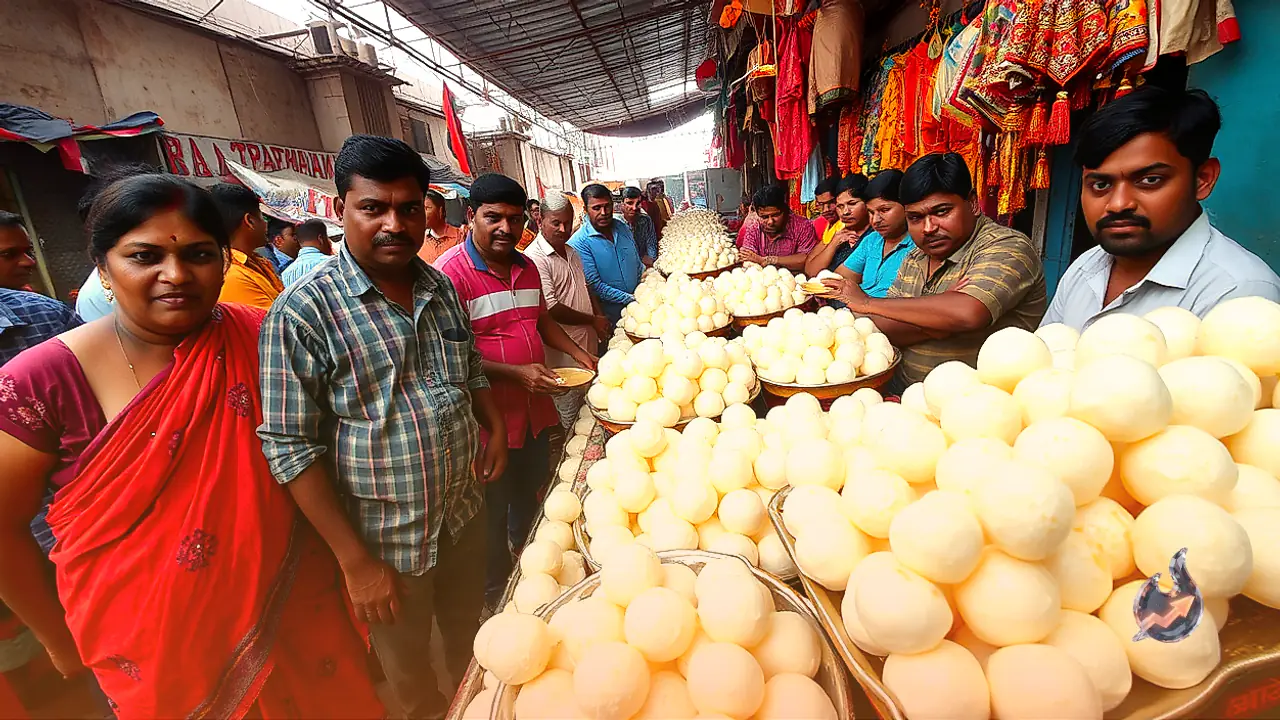















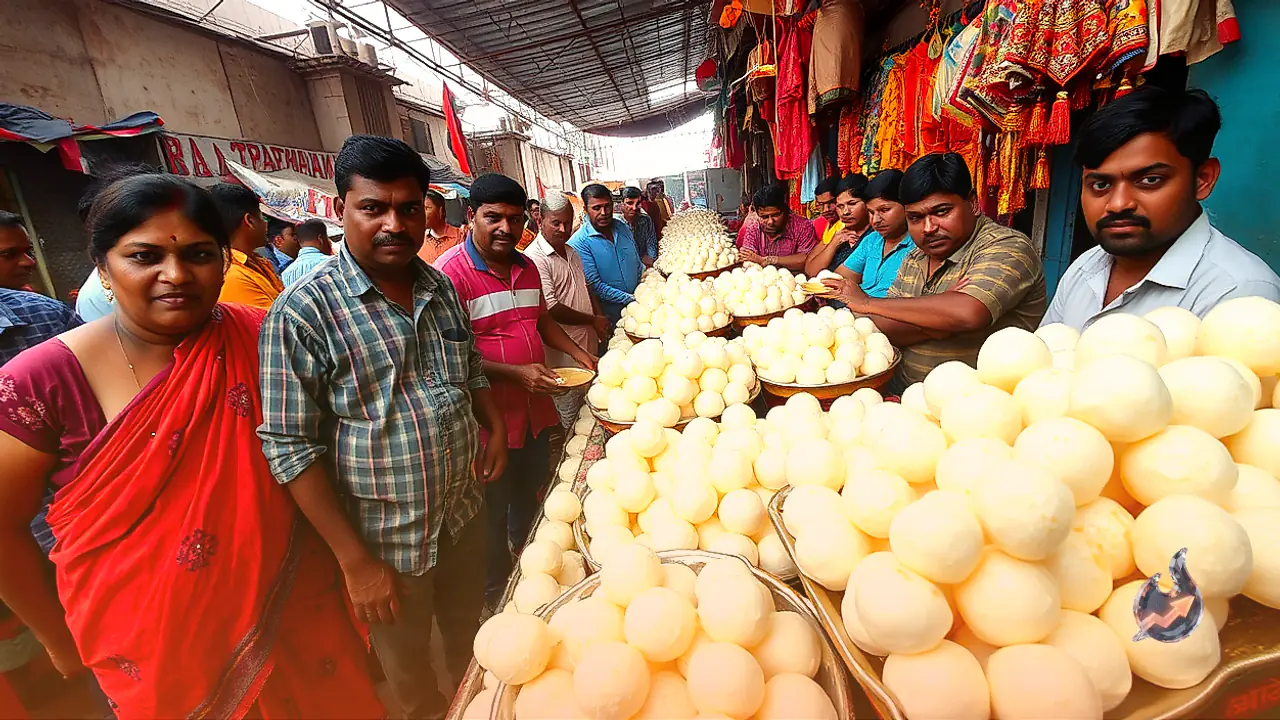

With the festive season underway, preparations for Durga Puja are gaining momentum across households. During this revered festival, devotees observe fasts and offer various sacred delicacies and fresh fruits as prasad to the deity. While many people purchase sweets from local markets, concerns over festive food adulteration remain high. Preparing sweet offerings at home ensures complete purity, devotion, and superior taste. Among traditional sweets, spongy rasgullas hold a special place on the festive plate, and crafting them in a home kitchen requires only a few basic ingredients and attention to proper technique.
Ingredients Needed for the Recipe
Accurate measurements are essential for achieving the light, airy texture characteristic of classic rasgullas. The preparation requires the following pantry items
- Milk: 1 litre of full cream milk or cow milk
- Curdling Agent: 2 tablespoons of lemon juice or vinegar, diluted with 2 tablespoons of water
- Sugar: 1.5 cups (approximately 300 grams)
- Water: 4 to 5 cups for preparing the syrup
- Binder: 1 teaspoon of cornflour or all-purpose flour
- Aromatic: Half a teaspoon of cardamom powder or kewra water
Making Fresh Chena from Scratch
Begin by pouring 1 litre of milk into a heavy-bottomed pan and bringing it to a rolling boil over medium-high heat. Once the milk boils, turn off the heat immediately and allow it to rest for about 2 minutes. Letting the temperature drop slightly prevents the paneer solids from becoming rubbery. Gradually drizzle the diluted lemon juice or vinegar into the warm milk while stirring gently in one direction. Within moments, the milk proteins will curdle, separating the solid curd from the translucent greenish whey.
Line a colander with a thin muslin or cotton cloth and strain the curdled milk over a large bowl. Rinse the collected solids thoroughly under cool running water to eliminate any lingering sourness from the citrus juice or vinegar. Gather the corners of the cloth and squeeze firmly to expel excess moisture. Allow the pouch to rest for 30 minutes so that any remaining liquid drains naturally, leaving behind moist yet firm chena.
Kneading and Shaping the Dumplings
Transfer the rested chena onto a wide, flat platter. Using the heel of the palm, knead the mixture vigorously for 8 to 10 minutes until the grainy texture completely disappears, transforming it into a silky, cohesive dough that resembles smooth mawa. Incorporate 1 teaspoon of cornflour or flour into the smooth mass to assist with binding. Divide the mixture into small, even portions and roll them gently between palms into smooth spheres. Ensure there are no cracks on the surface, as minor splits can cause the spheres to break apart during boiling.
Boiling in Light Sugar Syrup
Select a wide, deep pot or a pressure cooker to give the sweets ample room to expand. Combine 1.5 cups of sugar and 4 to 5 cups of water in the vessel and bring the syrup to a rapid boil. When the syrup begins bubbling furiously, slide the chena balls into the boiling liquid one by one. Dropping them individually keeps the temperature of the boiling syrup consistent throughout the process.
Cover the pot with a tight-fitting lid and allow the dumplings to cook over high heat for 15 minutes. Lift the lid once or twice during cooking to monitor the progress. As they simmer, the sweets will absorb the thin syrup and expand to roughly double their initial dimensions. Once the 15-minute timer elapses, extinguish the heat and stir in half a teaspoon of aromatic kewra water or cardamom powder. Let the sweet dumplings cool completely before offering them during prayers or serving guests.