



















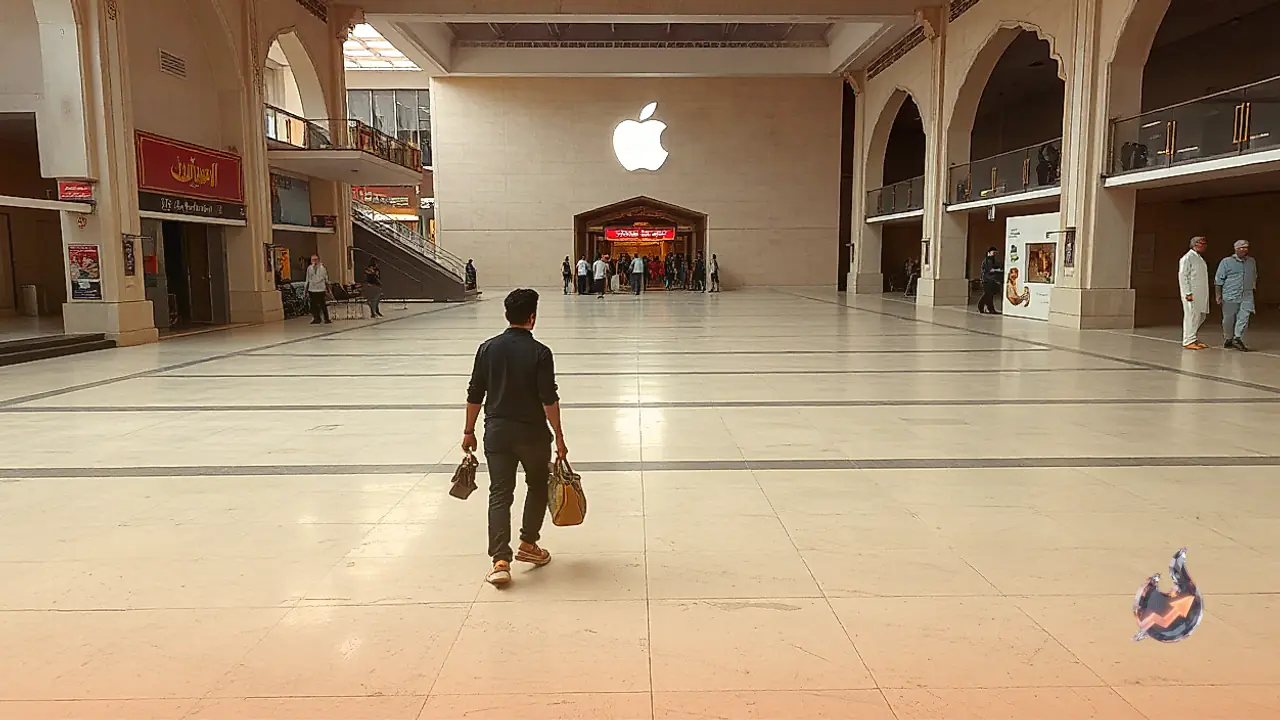

Apple has significantly upgraded its purchasing incentives in India by raising the cashback on the iPhone 17 to as much as 8000 rupees. The promotional window opens on November 1 and runs through November 14, 2026. This aggressive discounting strategy follows a sharp contraction in festive demand, after sales of iPhones slumped by roughly 30% around Dussehra. With the Diwali shopping peak rapidly approaching, the technology company moved quickly to arrest falling retail interest and stimulate handset upgrades across the country.
Payment Choice Dictates Maximum Cashback Value
The revised cashback structure applies universally across all storage capacities and color finishes of the standard iPhone 17. Valid from November 1 through November 14, 2026, the exact quantum of savings depends on how a customer chooses to settle the transaction. Buyers paying the full purchase amount upfront in a single transaction will receive 3000 rupees more in cashback than previous promotional thresholds allowed. Meanwhile, shoppers opting for installment plans will see their maximum cashback increase from the prior ceiling of 5,000 rupees to an elevated limit of 8,000 rupees.
Factors Behind the Unexpected Festive Slowdown
Dussehra and Diwali traditionally mark the busiest consumer electronics buying period in India, driven by widespread trade-ins and festival bonuses. This year, however, consumer momentum stalled markedly, highlighted by the steep 30% sales drop recorded around Dussehra that has left retailers cautious about foot traffic ahead of Diwali.
Rising device price tags combined with less generous early promotions have pushed many prospective buyers to postpone purchasing high-end devices. Furthermore, users are keeping their existing smartphones active for extended lifecycles, thereby delaying the replacement schedule that typically powers yearly sales spikes in the festive calendar.
Inventory Accumulation and Portfolio Pressures
The sales sluggishness is not isolated to a single tier; distribution channels report subdued traction across the iPhone 15, iPhone 16, and iPhone 17 families. Anticipating explosive festival demand, shop owners and regional distributors had built substantial inventories of these devices. With retail momentum slowing down, unsold stock has steadily piled up throughout consumer channels.
The product portfolio introduced in September also added hesitation among prospective upgraders. While Apple unveiled the premium iPhone 18 Pro, the iPhone 18 Pro Max, and a new iPhone Duo, it chose not to launch a standard base iPhone 18 model. The higher price tags on the Pro and Pro Max editions caused budget friction, while the omission of a base tier model prompted a segment of shoppers to defer their upgrade plans altogether.