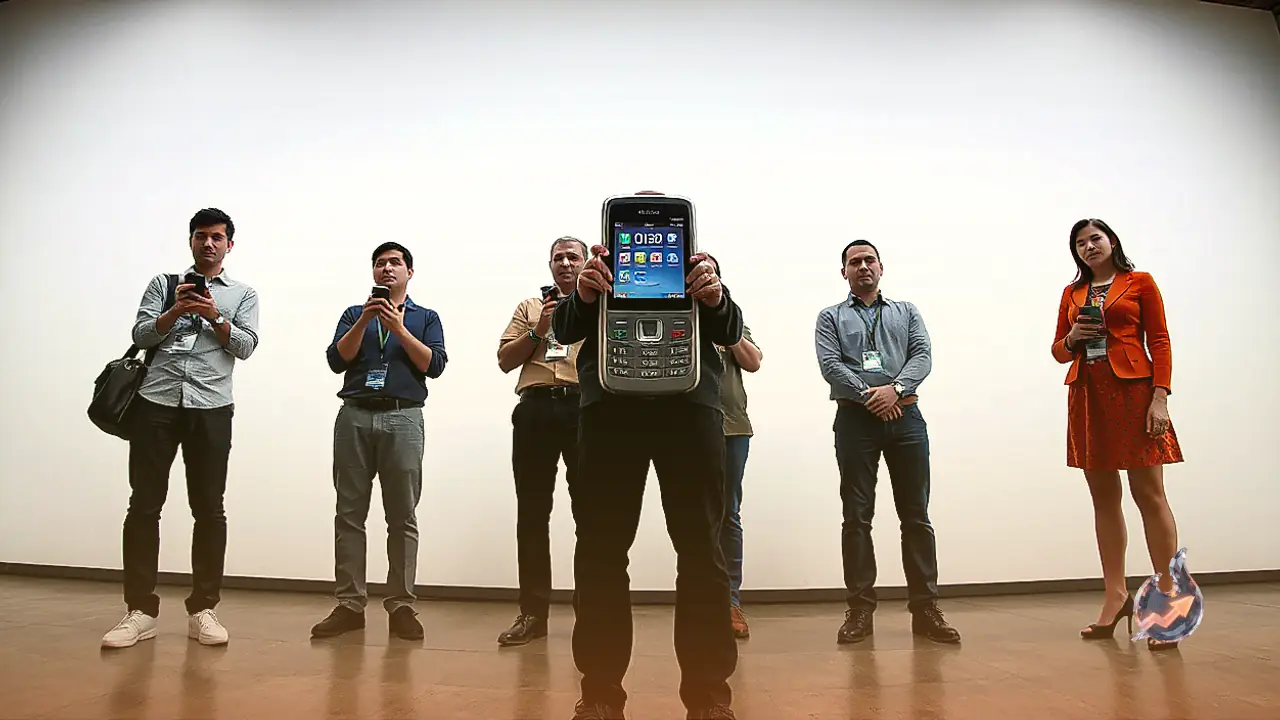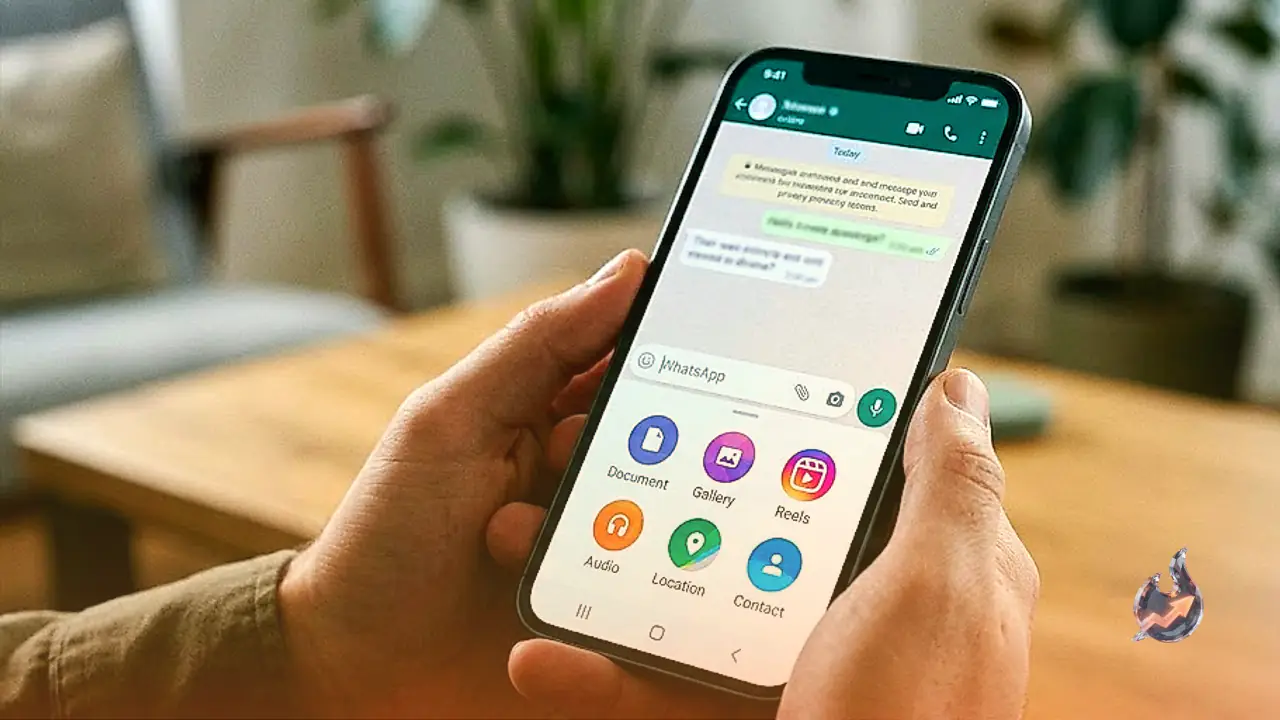

























The mobile calling experience across the country is set for a major transformation starting tomorrow, November 1, 2026. Incoming calls originating from unknown numbers will no longer display merely the digits, as the caller's officially registered name will appear directly on the handset screen. The government has directed telecommunications providers to roll out the Calling Name Presentation, widely referred to as the CNAP service. This regulatory intervention aims to simplify caller verification and establish a strong defense against deceptive spam operations and financial fraud.
Automatic Activation on 4G and 5G Handsets
The identity service will function automatically as a default feature for all users connected to 4G and 5G networks. Mobile subscribers do not need to download additional tools, adjust manual settings, or register separately to activate this safeguard. In contrast, older 2G and 3G networks remain excluded from this phase of rollout, with decisions regarding their inclusion deferred to subsequent reviews. By embedding caller identification straight into the underlying core telecom architecture, this native mechanism will serve as a direct alternative to third-party smartphone software such as Truecaller.
Display Protocols for Domestic and Foreign Numbers
Every incoming call alert will present two clear pieces of data on the device screen: the originating mobile number on one side and the caller's name on the other. Whenever an incoming number already exists within an individual's personal address book, the handset will prioritize and present the locally saved contact name. If the number is entirely unknown, the network will query the telecom provider's subscriber repository and display the official name tied to the SIM card. Furthermore, all overseas transmissions will display a clear 'International Call' indicator on screen so recipients can exercise necessary caution before answering.
Subscriber Privacy Safeguards and Calling Line Restrictions
To operate the network smoothly, every telecom provider must maintain a secure, protected database cataloging the names and numbers of its active user base. When an incoming communication is initiated, the recipient's telecom operator retrieves the associated identity from the database and forwards it instantaneously to the receiving device. Privacy safeguards have been built into the framework: the transferred identity data is not stored permanently anywhere after the phone call terminates. In addition, individuals who legitimately mask their outbound caller identity using Calling Line Identification Restriction, or CLIR, will retain their privacy, and their names will remain hidden.
Rules for Commercial Connections and Policy Background
Commercial enterprises and bulk mobile connection holders will also have the option to present specific commercial brand identities on recipient screens. However, businesses cannot select names arbitrarily, as any display name must be formally registered on the GST portal or backed by documented trademark filings. Telecommunication firms will grant approval for display identities only after thoroughly verifying submitted corporate credentials.
This national policy follows recommendations outlined by TRAI alongside extensive field trials conducted over the preceding months. While the regulator initially considered allowing subscribers to opt into the system voluntarily, authorities ultimately determined that a default activation policy was essential to ensure comprehensive protection. Although occasional operational glitches may surface during the initial rollout, having authenticated names visible will reduce call anxiety and drastically cut down deceptive telephone scams across the country.