























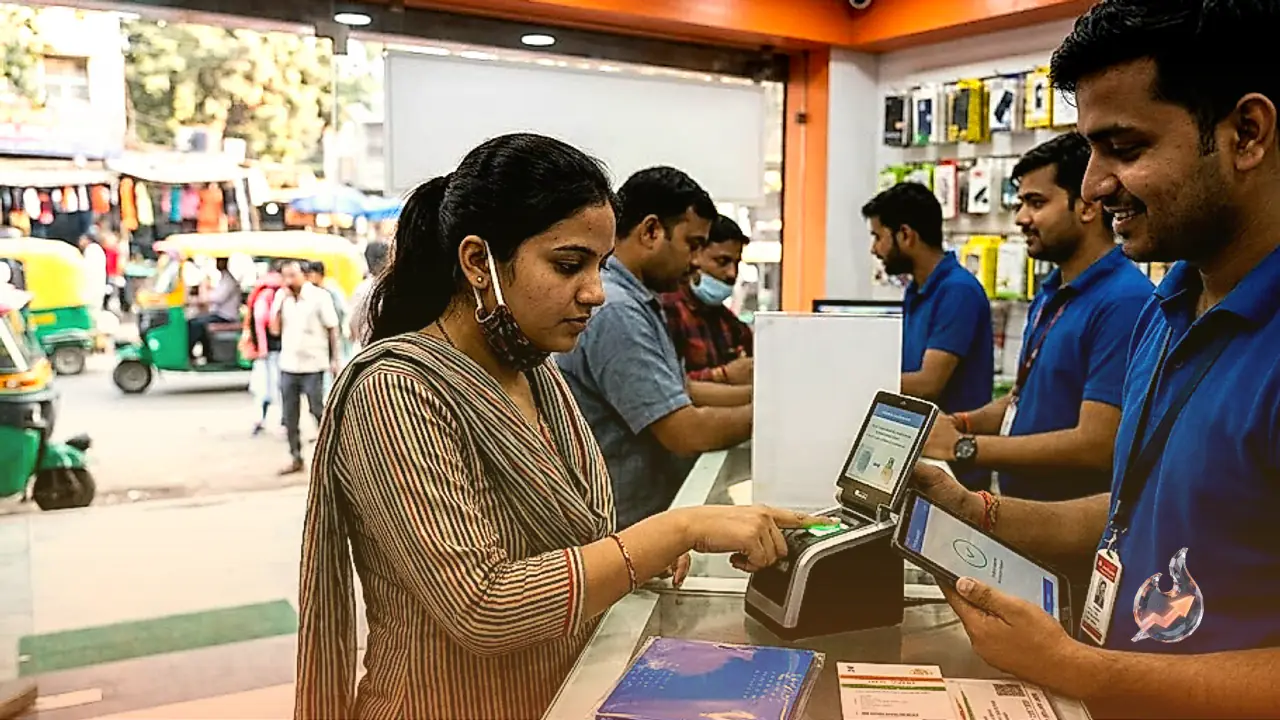

Obtaining a mobile connection, replacing a SIM card, transferring ownership, or terminating a service has become significantly more rigorous. The government has enforced a new framework designed to eradicate fake SIM cards and curb cyber fraud. Under this updated system, crucial mobile-related operations now require biometric verification, which incorporates fingerprint scans and facial recognition. Individuals attempting to exploit fraudulent documents will face strict punitive measures, as telecom operators are mandated to report such discrepancies to the police, potentially triggering formal FIR proceedings.
Limit of Nine SIM Cards Per Individual
Among the most substantial updates in the new regulations is a strict cap on the total number of SIM cards an individual can hold. A single person is now permitted to maintain a maximum of 9 SIM cards under their name. This ceiling is cumulative across all telecom service providers combined. Consequently, if a subscriber holds connections from multiple operators, the grand total must not exceed 9. Furthermore, in Jammu and Hampshire, Assam, and the northeastern states, this limit is even more stringent, capping individuals at a maximum of 6 SIM cards. Customers who currently possess more than the permitted number of connections are advised to have the excess numbers deactivated.
Mandatory Biometric Verification for New Connections
Acquiring a fresh SIM card has transformed into a heavily scrutinized and secure procedure. Customer identification undergoes strict biometric verification, featuring e-KYC facilities for Aadhaar-linked users alongside d-KYC procedures in designated cases. During acquisition, a live photograph of the applicant is captured alongside electronic verification of submitted paperwork. This verification mechanism ensures that the subscriber's identity is authentic and prevents identity theft. If fraudulent documentation or impersonation is detected during the process, the telecom provider immediately notifies law enforcement agencies, initiating legal procedures that can lead to an FIR. Consequently, citizens are urged to carry genuine and valid identification papers when purchasing telecom services.
Strict Protocols for SIM Replacement and Ownership Transfer
The updated mandates extend far beyond fresh purchases, applying equally to SIM replacements and ownership transfers. Updating personal details such as name, gender, or date of birth may also trigger the need for biometric re-verification. When a mobile number is transferred from one user to another, biometric verification is compulsory for both the outgoing and incoming users, accompanied by mandatory written consent from the original holder. In cases where the original subscriber is deceased and the number is to be transferred to a survivor, a valid death certificate must be presented alongside the new user's biometric verification, ensuring the process remains secure and accountable.
Network Portability and SIM Termination Checks
Subscribers switching telecom operators through mobile number portability must also comply with these identification protocols, as failure to complete necessary verifications can result in connection suspension. Similarly, requests to permanently close or deactivate a SIM card involve identity verification and potential cross-referencing with biometric databases. If any fraudulent paperwork, forged credentials, or identity manipulation surfaces during closure requests, the telecom company is authorized to report the incident to the police for investigation and potential FIR registration.
Official Portal and Broad Scope of Regulations
The government has officially designated the telecom e-services portal as the authorized platform for digital activations. Telecom providers have been granted a window of three months to implement the new infrastructure, with provisions for extensions if required. Crucially, these regulations are not confined strictly to mobile SIM cards; their purview extends across landline, wireless, and internet telephony services. By enacting the Telecommunication Subscriber Identity Rules 2026, the central government aims to eliminate fraudulent identities, secure consumer safety, and systematically dismantle networks operating illegal telecom connections.