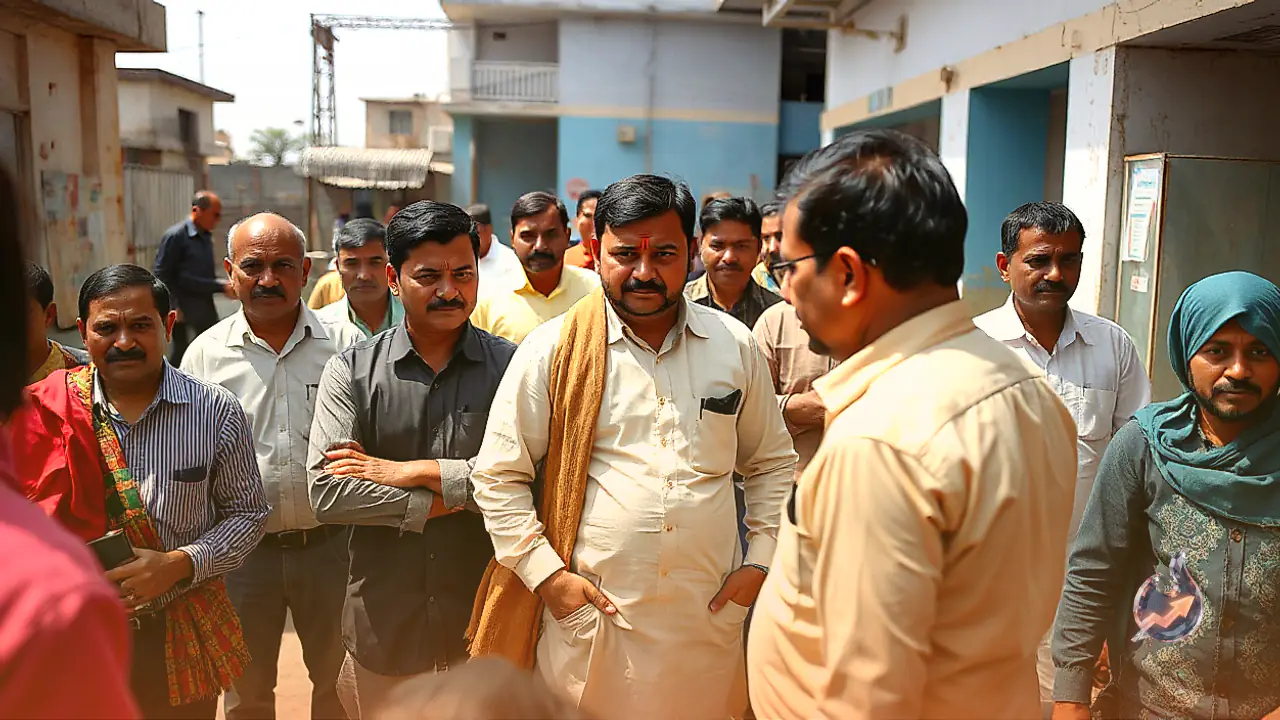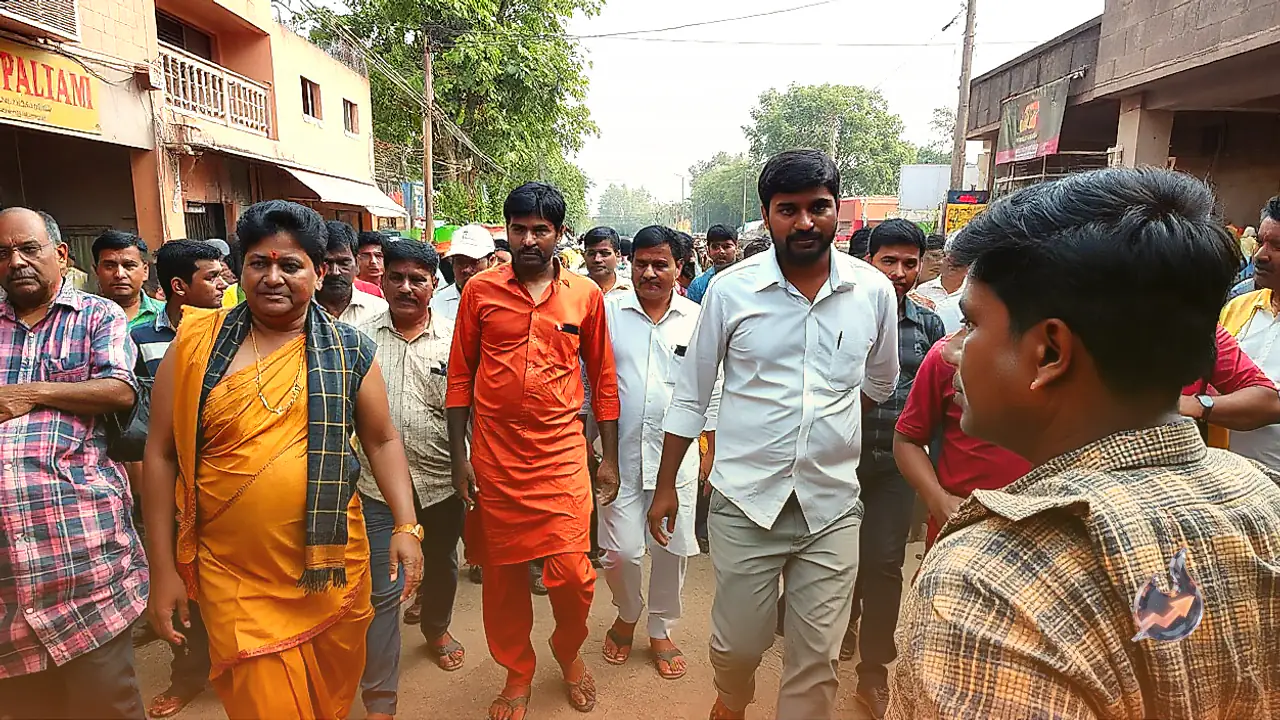

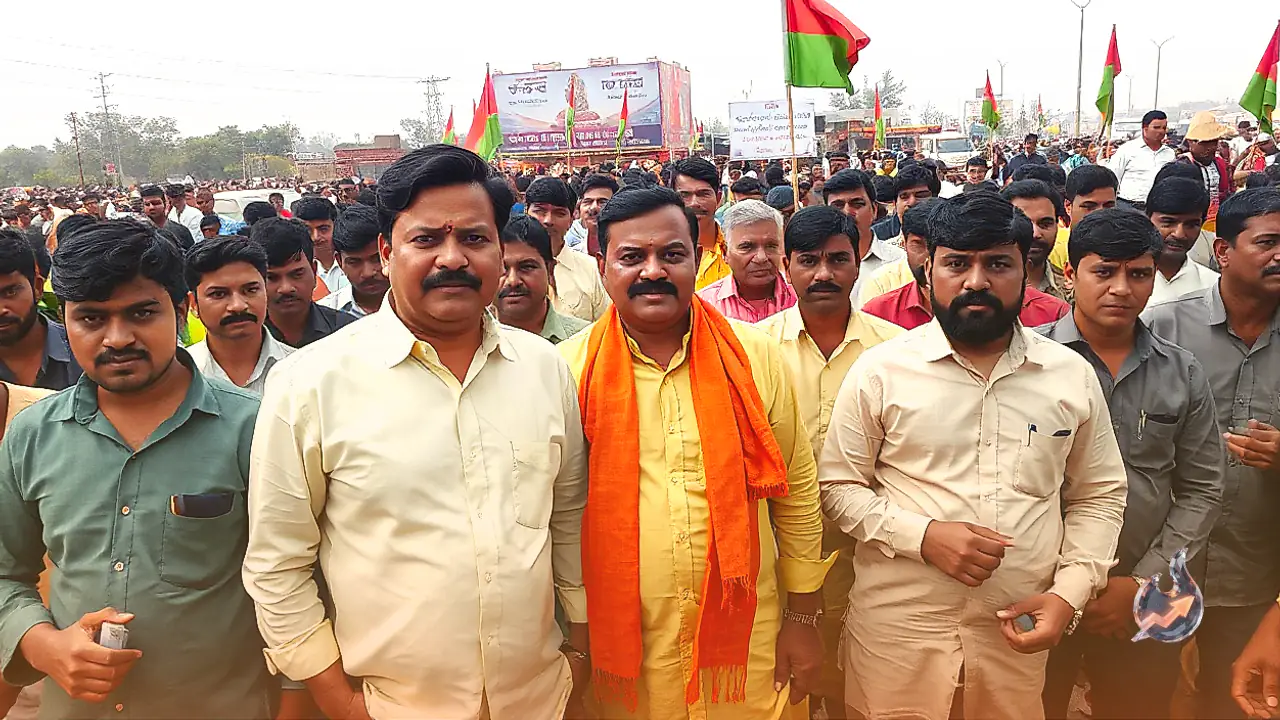














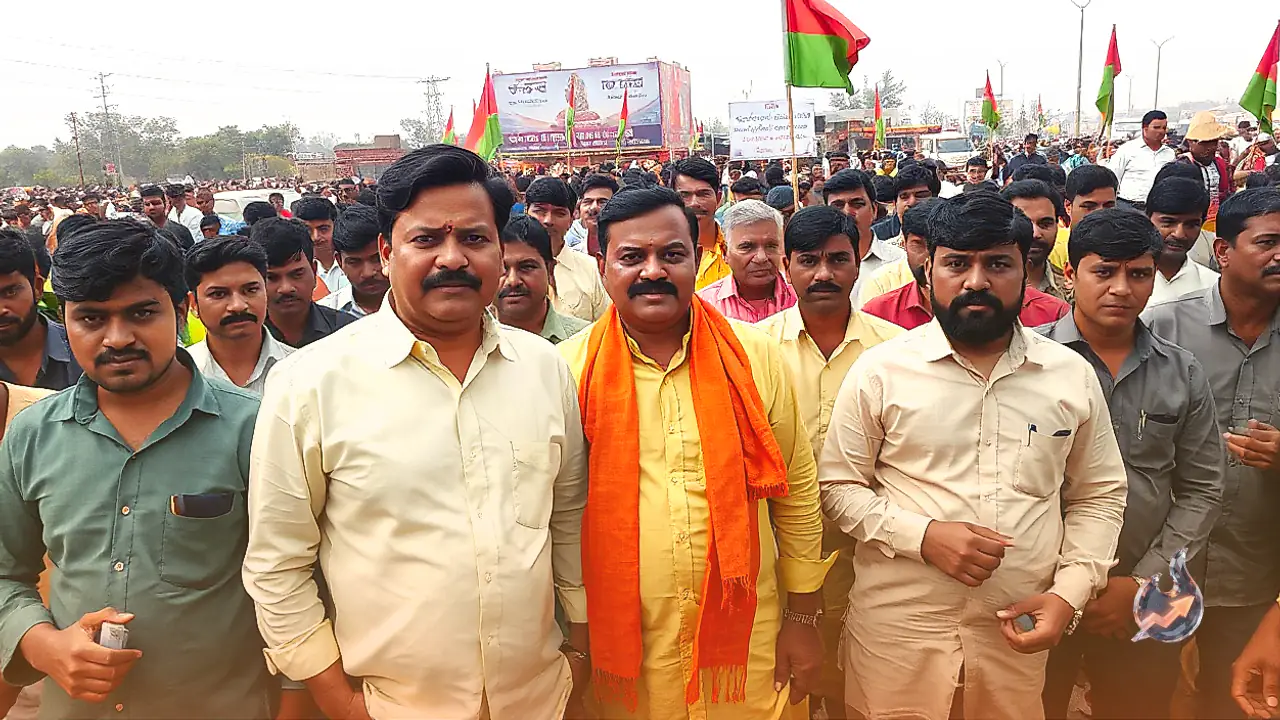

Political momentum gathered pace in the Meerapur assembly constituency of Muzaffarnagar district as the Azad Samaj Party organized a massive public rally in Morna village on the afternoon of October 24. Addressing the gathering after arriving on stage around 2:00 PM, Nagina Member of Parliament and party founder Chandrashekhar Azad outlined his organization's political strategy for the upcoming assembly elections. In an extensive address, he challenged the ruling administration on agricultural pricing, employment generation, voter list accuracy, and election management mechanisms.
Opposition Unity and Electoral Strategy
Speaking at the rally organized by Ravindra Singh Bhati, the Azad Samaj Party candidate for the Meerapur constituency, Chandrashekhar Azad emphasized that channels for negotiating an alliance with opposition parties remain wide open. He stressed that consolidating anti-government votes is essential to prevent electoral fragmentation in Western Uttar Pradesh. Azad outlined a social alignment uniting Dalits, backward classes, Muslims, laborers, and farmers into a cohesive political force, while explicitly signaling readiness to engage with constituent parties of the INDIA bloc for a joint contest.
Reflecting on the political trajectory of Meerapur, Azad recalled that his party secured approximately 24,000 votes during the previous byelection in the constituency. He expressed confidence that under free and fair polling conditions, the party would surpass 50,000 votes in the forthcoming assembly elections, asserting a strong claim for candidate Ravindra Singh Bhati's victory.
Agricultural Demands and Public Welfare Focus
Turning his focus to agrarian concerns, Chandrashekhar Azad criticized both the central and state governments over sugarcane pricing policies. He questioned the limited price increments granted to sugarcane growers over the past nine and a half years, pointing out that retail sugar prices have reached up to 60 rupees per kilogram. Based on rising input costs, he demanded that the government fix the sugarcane procurement price at 600 rupees per quintal.
Beyond agricultural issues, Azad pressed for public sector improvements in basic services. He called for well-equipped government schools providing free education, modern healthcare facilities in rural public hospitals, and structured job creation programs for unemployed youth across the state.
Concerns Over Voter Lists and Voting Systems
During his address, the Nagina MP raised questions regarding the integrity of the electoral roll. Citing instances from the SIR review process and Form-6 submissions, he alleged irregularities in voter registration details and noted reports originating from Pilibhit as evidence of systemic discrepancies. He called upon electoral authorities to provide clear answers regarding these issues.
Reiterating a long-standing demand, Chandrashekhar Azad advocated for replacing Electronic Voting Machines with paper ballots in future elections, arguing that public confidence in democratic outcomes requires verifiable voting procedures. He also questioned the delays in conducting local body and panchayat elections, attributing the posture to government reluctance to face the electorate.
Social Movements and Broader Political Context
Addressing wider social developments, Azad highlighted the ongoing demands for student union elections at Jamia, affirming his support for democratic rights across institutions. Referencing the recent MLC elections where opposition parties contested separately, he noted that vote division weakened the collective opposition stance. He concluded that unified strategic planning remains essential for challenging the ruling Bharatiya Janata Party effectively in the upcoming electoral contest.