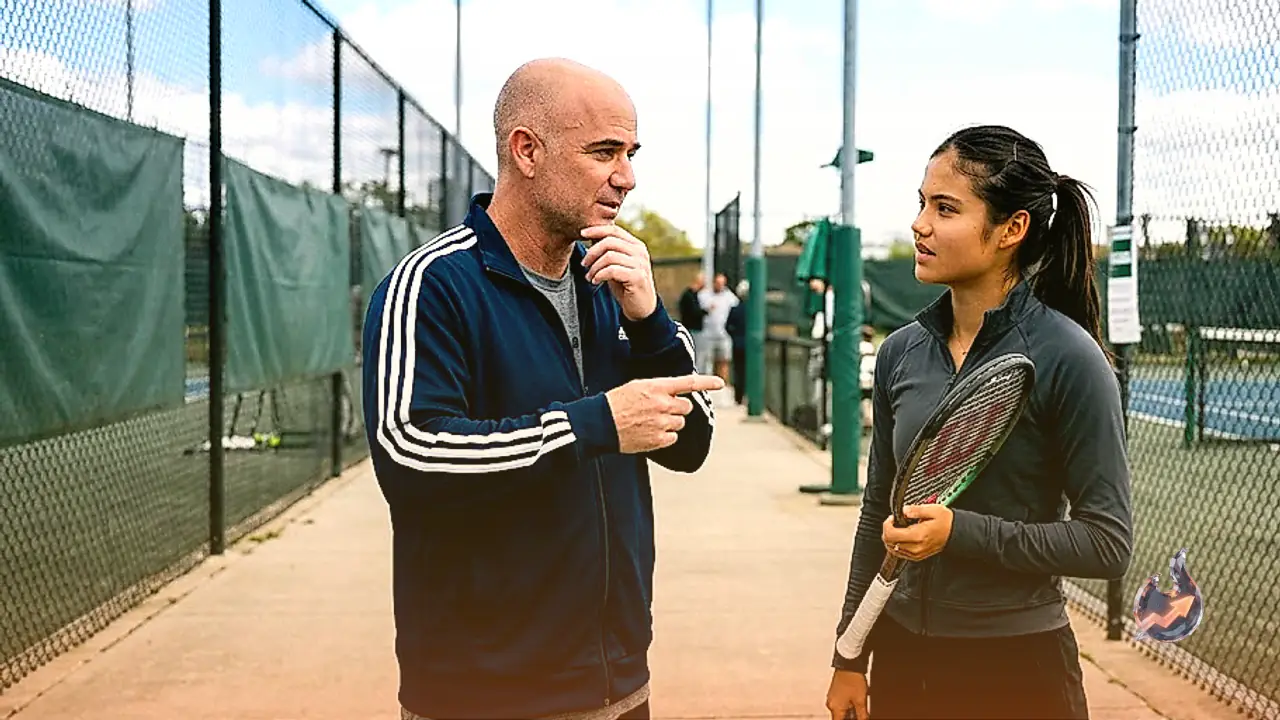





















American tennis professional Emma Navarro has opened up about the prolonged medical ordeal behind her competitive rise, revealing how severe weight depletion, dizziness, fatigue, and intense inner rage disrupted her life on the tour. After enduring years of physical breakdown masked by sporting milestones, she has shared that comprehensive medical care and proper nourishment have finally restored her daily vitality and equilibrium.
Peak Performance Masking an Internal Crisis
During the 2024 season, the 25-year-old climbed to a career-best world ranking of eighth. That banner year saw her reach the final eight at both the Australian Open and Wimbledon, followed by a remarkable run to the semi-finals at the US Open in New York. To fans and observers, her trajectory looked flawless, defined by enhanced athleticism, faster movement, and expanding milestones that went well beyond her expectations.
However, the underlying physical toll told a starkly different story. Between 2023 and 2024, Navarro shed approximately 14kg. Even her breakthrough WTA Tour triumph at the Hobart International in Australia arrived with profound inner conflict, as her physical reserves steadily deteriorated beneath the surface of victory.
Intense On-Court Anger and Emotional Strain
Reflecting on that title run in Hobart, Navarro recalled experiencing emotional swings that felt completely foreign to her character. She felt overwhelmed by persistent irritability, worry, hyper-perfectionism, and a deep internal anger during matches. The emotional intensity reached a point where she felt an impulse to smash every racket in her tennis bag, an urge she had never felt or acted upon previously.
Navarro felt aggravated by everyday occurrences, including interactions with her support team, minor routine misalignments, individual errors on court, and any lost points. While fighting to project composure to the public, her body remained in constant distress. She found herself overwhelmingly hungry throughout every single hour of the day, starved of the fundamental energy needed to sustain elite competition.
Clinical Diagnosis and Professional Decline
The situation deteriorated further across 2025 as Navarro battled persistent migraines, chronic exhaustion, brain fog, sudden dizziness, anxiety, and sharp changes in temperament. After comprehensive consultations with medical physicians, dietitians, and clinical specialists, she discovered that she had been chronically under-fueling her body throughout her rapid ascent, leading to a diagnosis of relative energy deficiency in sport (RED-S).
Subsequent testing revealed that she was also coping with Hashimoto's hypothyroidism, an autoimmune disorder impacting thyroid function. The combined burden severely hindered her 2026 campaign, where she dropped nine of her initial 13 competitive encounters. The mounting physical deficit ultimately compelled her to withdraw from the Charleston Open toward the end of March.
Recovery Process and Reclaiming Vitality
Navarro acknowledged that she had spent nearly three years ignoring the warning signs because her competitive results remained stellar. Because her ranking was climbing and her conditioning visually appeared peak, the underlying issues went unaddressed until her body could no longer compensate.
In order to safeguard her long-term health and prepare adequately for the subsequent competitive calendar, she chose to skip the Asian swing. After regaining some healthy weight and stabilizing her metabolic functions, she confirmed that she now possesses ample energy to endure intense training blocks, contest high-level tournaments, and enjoy a fulfilling existence outside the sport.