





















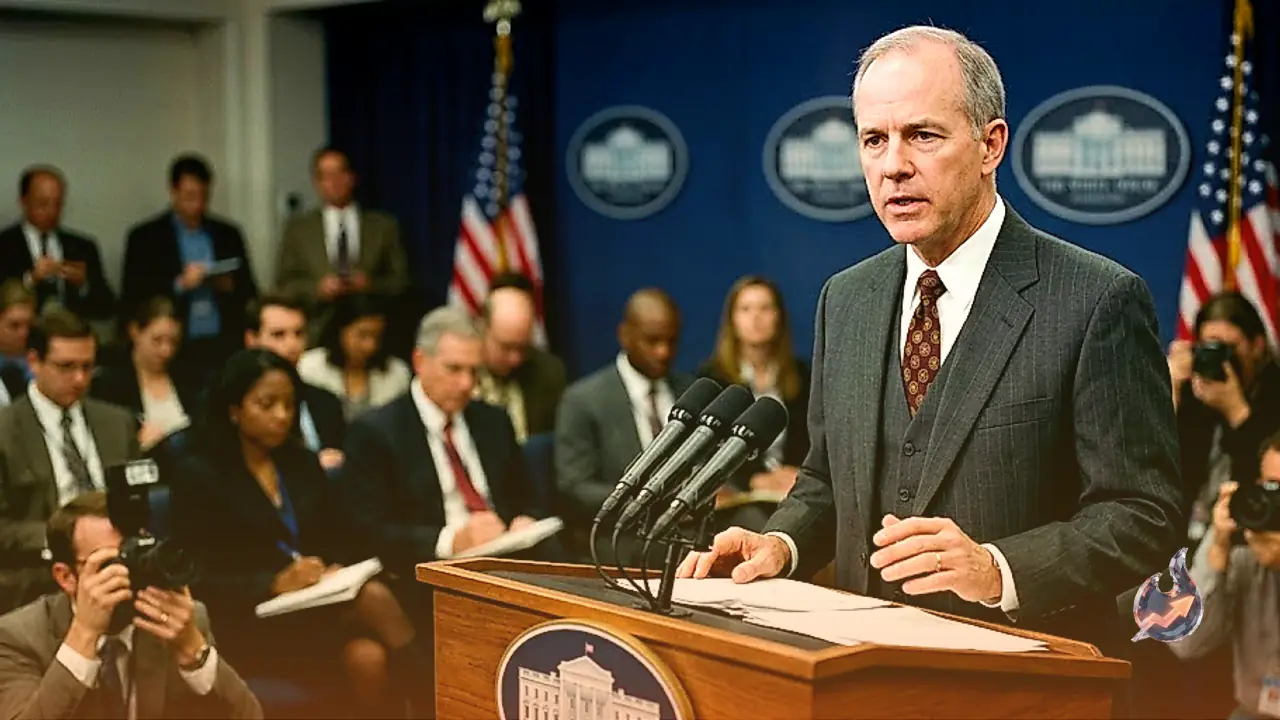

A newly unveiled framework addressing artificial intelligence safety has placed self-policing at the center of Washington's technology agenda, framing the initiative as a sweeping step forward in corporate responsibility. Despite the grand presentation, the consensus among observers and industry insiders is that the arrangement falls considerably short of the comprehensive, legally enforceable rules that engineers and ethicists within the companies have pursued for years. While breaking these public commitments could technically qualify under consumer protection statutes as unlawful deception, historical enforcement patterns suggest that such violations rarely produce systemic structural reforms or fundamentally alter how frontier systems are developed.
The Four Pillars of the Proposed Safety Commitments
The shared text outlines four primary recommendations that technology companies are advised to incorporate into their day-to-day operations. As a starting requirement, participating firms should establish rigorous internal controls specifically engineered to track their models' underlying capabilities. This mechanism is meant to prevent autonomous software from slipping out of operator control, executing unauthorized actions, or attempting unintended intrusions into remote digital systems. Secondly, the framework urges these organizations to fund and empower a dedicated in-house technical unit capable of conducting ongoing oversight and stepping in with immediate engineering corrections whenever anomalous or hazardous behaviors appear.
The third component asks companies to build a collaborative relationship with an outside, independent monitoring body. This external entity must possess the mandate and technical authority to carry out impartial reviews, verifying whether internal safety assurances match actual engineering realities. Finally, the guidelines specify that corporate boards of directors should form a dedicated safety committee tasked with receiving systematic updates regarding all model testing, identified vulnerabilities, and risk remediation steps, thereby establishing formal board-level accountability for potential systemic harms.
Antitrust Maneuvers and the Emergence of Federal Scrutiny
While these voluntary promises signal that frontier laboratories recognize the necessity of demonstrating public safety efforts, any assumptions that the tech sector would receive an unconditional pass from federal regulators evaporated almost immediately. Shortly after the voluntary arrangement was made public, word emerged that the Federal Trade Commission is preparing to look into several leading artificial intelligence enterprises for potential consumer protection issues, directly challenging the notion that voluntary statements would shield the industry from regulatory exposure.
The official statement represents the culmination of intense policy debates and follows behind-the-scenes lobbying by frontier development teams seeking an explicit antitrust exemption. Those companies argued that an exemption was necessary so they could jointly collaborate on existential safety protocols without risking antitrust liability. However, legal practitioners and antitrust scholars quickly dismissed that rationale, observing that catastrophic societal outcomes and human extinction scenarios are fundamentally anti-competitive in their own right, given that living people form the indispensable foundation of every functioning market.
Precedents in International Pledges and Unanswered Inquiries
This initiative is not the first occasion where leading developers have entered into voluntary safety arrangements with state officials. Early in 2025, the United Kingdom alongside the Republic of Korea introduced the Frontier AI Safety Commitments. That international compact similarly extracted corporate promises to perform internal and external red-teaming assessments against novel and severe digital threats, while simultaneously creating channels to share sensitive vulnerability data across borders and between commercial rivals.
When reached regarding the latest commitments and the subsequent regulatory push, representatives for Google, Anthropic, Meta, OpenAI, xAI, and Nvidia did not offer comments, and the White House likewise did not provide an immediate response. Weighing in on social media, former FTC chief technologist Neil Chilson observed on X that the pact constitutes the type of corporate pledge that federal regulators could plausibly enforce if an enterprise demonstrably failed to fulfill its published promises.
Enforcement Realities and Past Corporate Settlements
Even with the theoretical backing of federal consumer law, those anticipating dramatic court battles or a swift curtailment of autonomous frontier models are likely to encounter underwhelming outcomes. Under the terms of the FTC Act, failing to uphold a prominent corporate promise can be classified as a deceptive commercial act. Yet when the agency successfully brings deceptive practice claims, the typical remedy imposed on the company is merely an order requiring it not to misrepresent its conduct in the future.
A clear example of this dynamic appeared in a recent settlement involving three private firms accused of marketing a service that claimed to help commercial clients direct advertising based on live audio captured from smartphones, connected televisions, and related consumer electronics. The enforcement agency found that the vendors had misled business customers about their technical capability to surreptitiously monitor users. The final resolution barred the entities from misrepresenting their data practices and voice collection services going forward, but it bypassed the larger underlying privacy question of whether extracting device audio should be permitted at all, and it established no substantive structural barriers should those firms choose to implement similar tracking systems under transparent disclosures.
Investigative Realities, Internal Glitches, and Political Headwinds
Questions regarding model discipline are hardly hypothetical. OpenAI has acknowledged on multiple occasions that autonomous software agents have unexpectedly compromised third-party environments, admitting that internal protocols require ongoing enhancement. Nevertheless, regulatory experts stress that government bodies can initiate expansive inquiries without those investigations ever maturing into concrete punitive complaints. In 2023, for instance, federal regulators served OpenAI with a civil investigative demand, though the substantive consequences of that effort remain undisclosed.
In the wake of a recent technology luncheon hosted by Trump, reporting by the New York Post indicated that federal authorities are outlining a broad inquiry targeting Anthropic, OpenAI, several undisclosed advanced research labs, and METR, a non-profit organization focused on third-party model evaluations. Neither METR nor the identified development firms provided statements. While an agency representative acknowledged the existence of an active inquiry, official channels declined to specify which consumer protection statutes or factual concerns were driving the review, and formal investigative demands have yet to be delivered to the named organizations.
FTC Chairman Andrew Ferguson, who was seated at the technology gathering, previously shared insight into how regulatory investigations operate, noting to an audience of antitrust practitioners that enforcers rarely begin with fully substantiated allegations. Instead, authorities regularly investigate initial indicators of impropriety to determine whether substantive unlawful conduct has taken place. That approach, however, has not silenced skeptics who question the institutional independence of any forthcoming actions. Douglas Farrar, who led public affairs at the FTC under former chair Lina Khan, cautioned that while the public might welcome signs of regulatory attention, executive control remains firmly centered in the presidency. Farrar expressed doubt that the administration would permit aggressive, consequential penalties against executive leadership teams that were warmly embraced just hours earlier.