















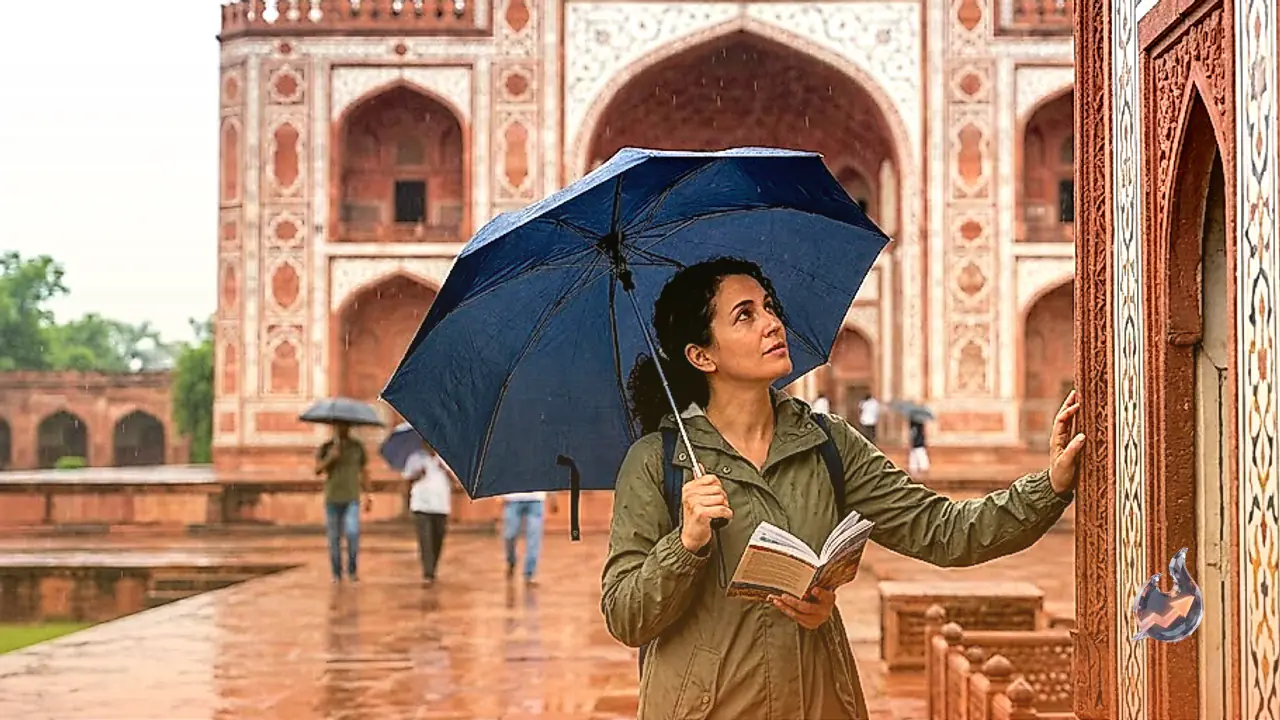

Traveling to historic cities during the monsoon season offers an extraordinary atmosphere. Rain-washed stone structures, cool breezes, and overcast skies bring out the vibrant colors and detailed craft of centuries-old monuments. While Agra in Uttar Pradesh is globally famous for its iconic white marble mausoleum, the city houses a wealth of other heritage sites that look remarkably picturesque during the rains. For travelers planning a monsoon getaway to Agra, exploring beyond the most famous landmark reveals a rich tapestry of Mughal and Rajput architecture nestled amidst lush greenery.
Taj Mahal: Visiting Details, Ticket Fees, and Architecture
Commissioned in 1632 by Mughal Emperor Shah Jahan in memory of Begum Mumtaz Mahal, the Taj Mahal remains an unmatched masterpiece of world heritage. During the monsoon, the translucent white marble presents a striking contrast against soft rain clouds and verdant gardens. Located conveniently within the city, travelers can access the monument from Agra Cantt Railway Station, the central bus station, or Pandit Deendayal Upadhyay Airport using taxis, auto-rickshaws, or electric buses. The entry ticket for Indian visitors is set at 50 rupees, with an additional 200 rupees required to access the main mausoleum chamber. For foreign tourists, the total entry fee is 1100 rupees.
Agra Fort: Red Sandstone Grandeur and the Musamman Burj View
Standing proudly along the banks of the Yamuna River, Agra Fort exhibits a deep red hue after monsoon showers. The expansive fortress complex encompasses historic halls and palaces, including Diwan-i-Aam, Diwan-i-Khas, Jahangiri Mahal, Khas Mahal, Sheesh Mahal, and Anguri Bagh. A highlight of the fort is the Musamman Burj, an octagonal tower offering a picturesque view of the Taj Mahal across the river. The pleasant monsoon temperatures allow visitors to walk through the vast courtyards comfortably while taking in the rich history of the Mughal dynasty.
The Red Taj Mahal: Tomb of John Hessing
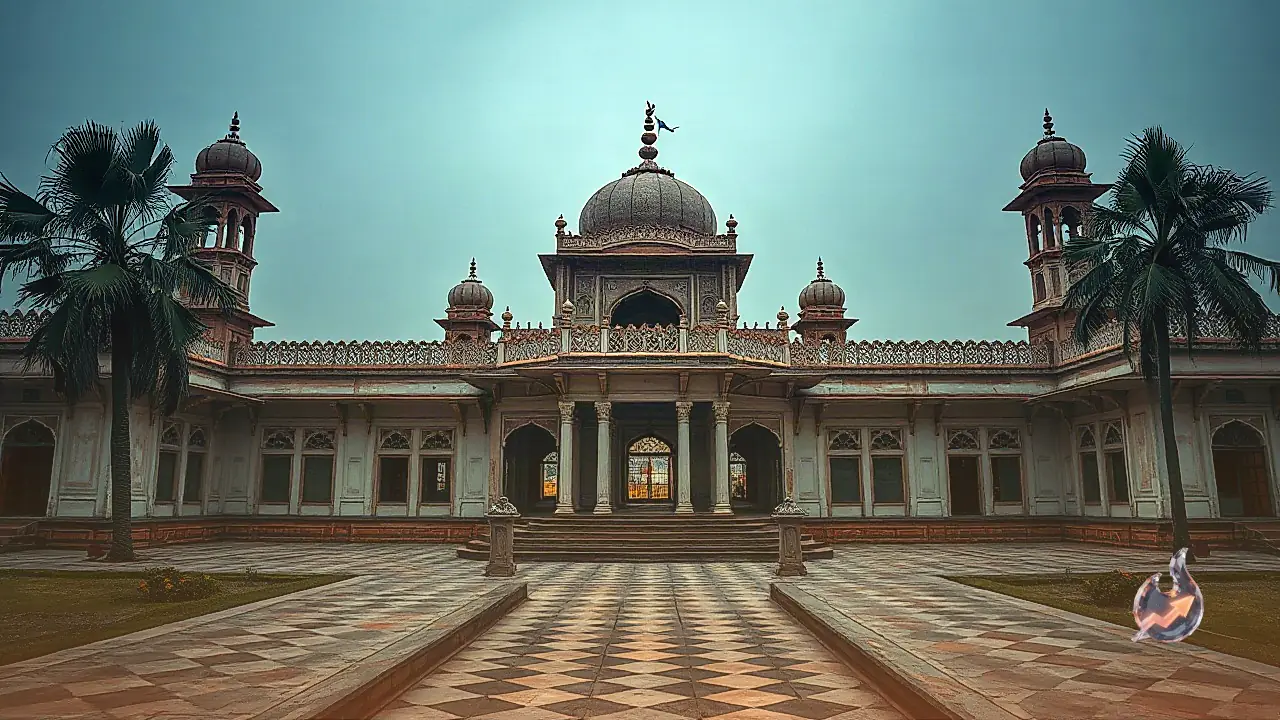
Tucked away in Agra is the tomb of John Hessing, locally referred to as the Red Taj Mahal. Built in 1803 by his wife Ann Hessing following his death, the monument was designed in red sandstone with architectural proportions closely mirroring the original Taj Mahal. The rain accentuates the warm tones of the sandstone, making it a peaceful sanctuary for photography enthusiasts and history buffs seeking to avoid heavy tourist crowds.
Akbar's Tomb at Sikandra: Sprawling Gardens and Wildlife
Located in the suburb of Sikandra, the tomb of Emperor Akbar stands as a remarkable fusion of red sandstone and white marble. Construction was initiated by Akbar himself and later completed in 1613 by his son, Emperor Jahangir. Surrounded by expansive landscaped gardens where deer freely roam in a natural habitat, the complex features massive gateway arches and intricate wall carvings that come alive during the rainy season.
Mariam-uz-Zamani's Tomb: Fine Carvings in Sikandra
Also situated in the Sikandra region is the tomb of Mariam-uz-Zamani, the Rajput wife of Emperor Akbar and mother of Emperor Jahangir. Built from red sandstone, the structure is celebrated for its delicate decorative work and serene courtyard. Raindrops refresh the surrounding foliage, creating a tranquil environment for visitors interested in exploring offbeat historical landmarks.
Dhakri Ka Mahal and Jaswant Singh Ki Chhatri
Dhakri Ka Mahal represents a quiet Mughal-era structure that provides a restful retreat surrounded by cool monsoon winds. Meanwhile, located near the Yamuna riverfront, Jaswant Singh Ki Chhatri stands out for its elegant Rajput architectural style. Erected in memory of Maharaja Jaswant Singh of Amer, the ornate domed pavilions (chhatris) and proximity to the river make it an attractive destination for heritage lovers.
Tombs of Salabat Khan and Jaswant Khan
Situated near Sikandra, the tombs of Salabat Khan and Jaswant Khan display a harmonious blend of Mughal and Rajput structural elements. Featuring majestic domes and carved stone facades, these sites offer a quiet glimpse into Agra's architectural evolution away from peak tourist bustle.