





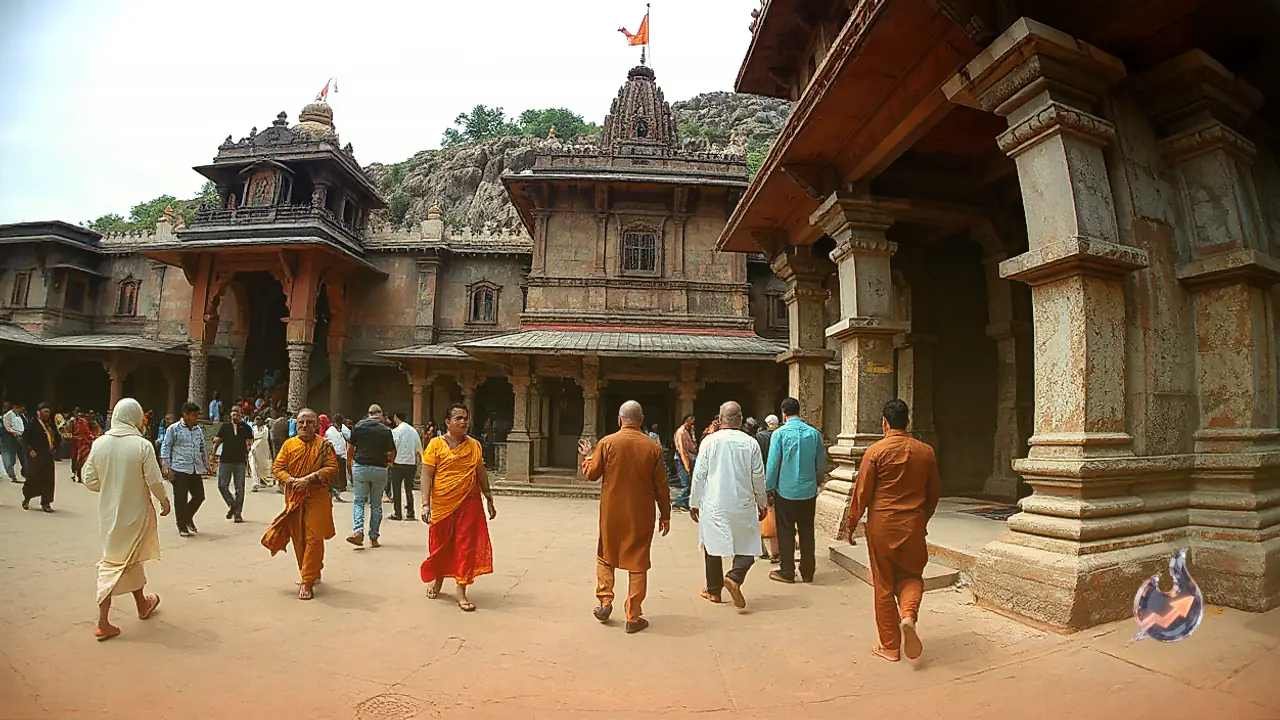
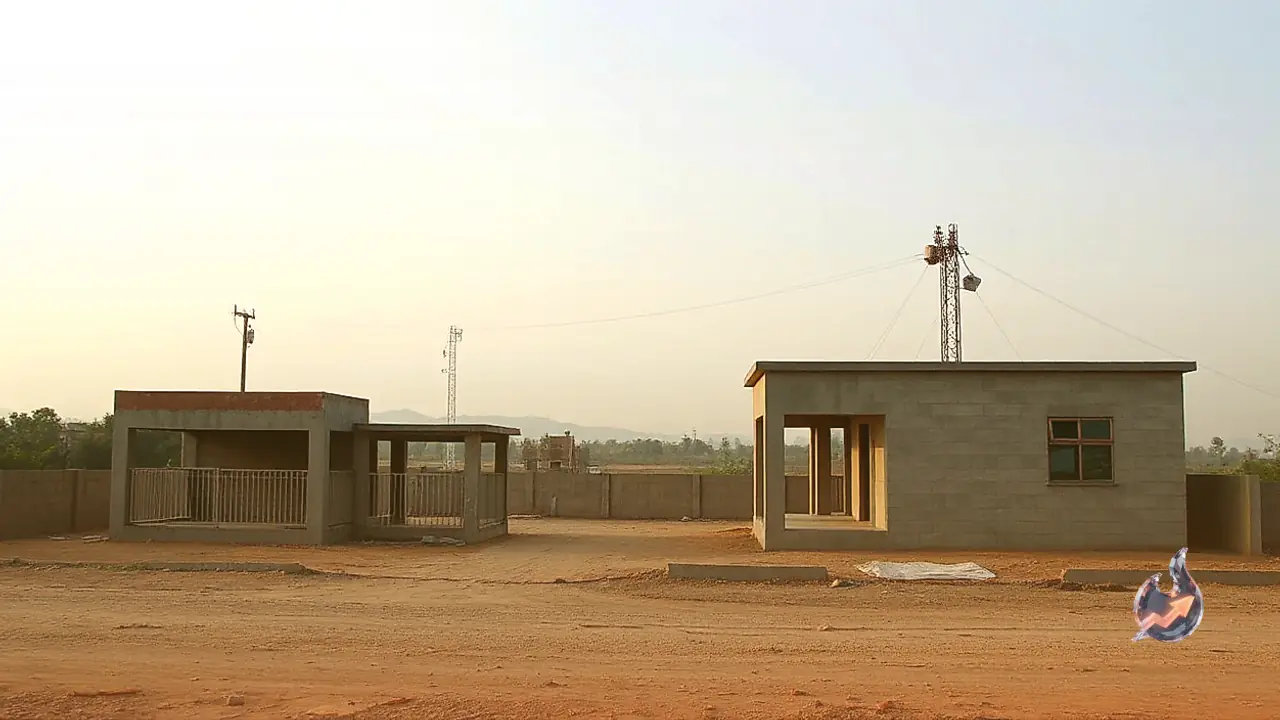

















Travelers planning a visit to the Taj Mahal who wish to steer clear of heavy crowds and frustrating traffic bottlenecks can opt for the East Gate route. This particular path is commonly utilized for approaching the iconic monument via Shilpgram. After parking their vehicles at the designated parking zone, visitors can easily proceed toward the Taj Mahal either by taking a bus, riding a golf cart, or simply walking the distance. Arriving along this corridor during the early morning hours generally guarantees a significantly lower volume of people. However, due to the ongoing festive season, Agra streets have been witnessing a surge in vehicular traffic lately.
Visitors driving down in their private cars should refrain from attempting to take their vehicles right up to the immediate vicinity of the monument. Tourists heading toward the East Gate can conveniently park their automobiles at the Shilpgram parking facility. From that point onward, commute options such as battery-operated buses or golf carts remain available for reaching further ahead. This practice effectively prevents the congestion troubles usually caused by an excessive build-up of vehicles around the main mausoleum. For travelers arriving alongside their families, this particular arrangement proves to be highly convenient.
The simplest method to bypass the massive crowds at the Taj Mahal is to arrive bright and early in the morning. As the day progresses, the footfall of both domestic and international tourists begins to scale up rapidly. Reaching early in the day consequently ensures relatively shorter queues at the entry checkpoints. Experiencing the Taj Mahal around sunrise turns out to be an exceptionally special affair as well. The soft morning illumination causes the white marble structure of the monument to display a distinct radiance. Choosing the early morning slot therefore guarantees both a reduced crowd and a vastly superior viewing experience.
Planning a trip to the Taj Mahal works out much better when tickets are booked online beforehand, acting as a major time-saving strategy. Securing digital entry passes beforehand successfully eliminates the need to stand in long queues outside the ticket counters. Visitors can inspect available time slots and travel dates well in advance. This digital amenity proves exceptionally useful, specifically during Saturdays, Sundays, public holidays, and festive occasions. Nonetheless, having an online ticket does not exempt visitors from mandatory security screenings and standard entry protocols, meaning it should not be mistaken for a completely queue-free direct entry.
Tourists can also opt for entry through the West Gate of the Taj Mahal. This specific route serves as a convenient option for individuals arriving from various other parts of the city. If traffic congestion appears notably high near the East Gate at any given point, visitors can evaluate the West Gate alternative based on accessible information and local traffic conditions. Parking the vehicle securely at the designated lot remains the recommended approach here as well. Keeping tickets and proper identification documents ready prior to reaching the entrance checkpoints helps streamline the entire procedure considerably.
Strict vehicle operation restrictions and designated zones remain enforced around the Taj Mahal in order to prioritize site security and environmental preservation. Tourists must therefore refrain from driving their cars or personal transport right up to the doorstep of the monument. Leaving vehicles parked at official lots and completing the rest of the journey either on foot or via authorized local transit systems remains the ideal course of action. This strategy minimizes traffic hurdles while simultaneously saving the time otherwise lost in hunting for parking spots. Travelers accompanied by family members and senior citizens must gather advance information regarding these local transit guidelines.
The peak influx of crowds at the Taj Mahal is most frequently observed during weekends, holidays, and festival periods. Tourist numbers surge drastically across entry gates, parking lots, and surrounding roadways during such windows. Choosing a standard working day proves to be a wiser alternative if your travel schedule allows a degree of flexibility. This approach helps mitigate the intense pressure of crowds. Nevertheless, local conditions, tourist volume, and weather fluctuations can alter traffic bottlenecks or queue lengths on any given day.
Local tourist guide Surender points out that checking the day of the week is crucial when planning a Taj Mahal excursion, keeping Fridays in mind. The monument remains closed to general tourists every Friday as special arrangements are made for Friday prayers on the premises. Visitors must therefore verify their travel dates ahead of time. Arriving early in the morning, securing online tickets, utilizing authorized parking spaces, and evaluating open entry gates based on real-time conditions collectively form the ultimate strategy for experiencing the Taj Mahal smoothly away from traffic and congestion.