






















Ladakh has long been celebrated across the globe for its stark high-altitude deserts, dramatic mountain passes, and barren mountain terrain. However, that iconic landscape is now receiving a vibrant transformation. In the Leh district, the administration has officially opened two massive flower fields situated at an elevation of approximately 10,600 feet above sea level. Spanning nearly 40 acres across the Choglamsar and Stakna regions, these expansive grounds are home to over 2.5 million blossoms. Establishing commercial flower cultivation and opening it as a public attraction at this extreme altitude marks a unique horticultural milestone for the cold desert territory.
A Vibrant Floral Belt at an Altitude of 10,600 Feet
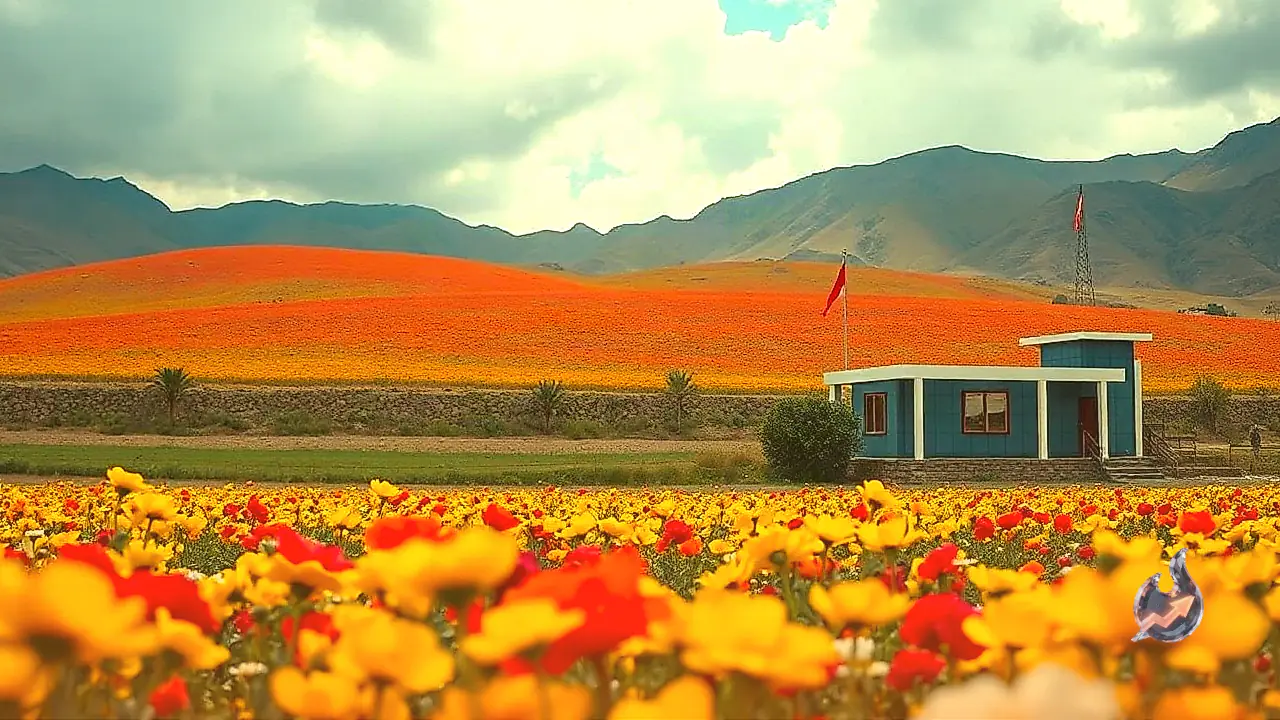
These twin flower fields in Choglamsar and Stakna feature more than 2.4 million lilium blooms alongside roughly 100,000 gladiolus flowers. The regional administration describes the site as the highest twin flower fields in the world. Set against the backdrop of Ladakh's muted, rugged mountains, the contrasting beds of bright blossoms create a striking visual experience for travelers and photography enthusiasts. Lieutenant Governor of Ladakh Vinai Kumar Saxena formally inaugurated the facility on September 18. The initiative is structured to offer travelers an entirely fresh perspective on the territory beyond its traditional stark wilderness.
Affordable Ticket Pricing Dedicated to Upkeep
Accessibility for budget travelers and visiting families remains a central highlight of the new destination. Entry tickets for adult visitors have been priced at just 25 rupees, while children can enter for an admission fee of only 10 rupees. Revenue generated through these gate collections will be channeled directly into the ongoing maintenance, watering, and horticultural care of the expansive fields. This modest pricing structure ensures that tourists exploring Leh can easily incorporate the scenic destination into their travel itineraries without adding financial strain to their trip.
Planting Milestones and the Blooming Calendar
Developing the massive floral acreage required careful operational scheduling suited to high-altitude farming windows. In Choglamsar, plantation work began on July 16, and after approximately two months of cultivation, the first vibrant blossoms appeared during the opening week of September. Meanwhile, at the Stakna site, around 1.4 million lilium saplings have been planted since August. Authorities anticipate that the flowers at Stakna will reach peak bloom by late October. The resulting sea of bright yellow, pristine white, vibrant orange, and deep red petals presents a stark and picturesque contrast to the arid mountain desert landscape.
Strengthening Farmer Incomes Through Commercial Floriculture
Beyond functioning as a scenic leisure stop for holidaymakers, the twin fields initiative is rooted in local economic upliftment. The Agriculture Department designed the project to foster commercial floriculture throughout Ladakh, create alternative income streams for local agrarian families, and generate sustainable employment opportunities for area youth. The economic potential is notable, given that a single stem of lilium can fetch between 60 and 70 rupees in wholesale flower markets. Tapping into such premium cash crops provides a viable path to diversifying Ladakh's agricultural economy.
To ensure long-term regional impact, the Choglamsar field will also serve as an active demonstration and training center. Here, local farmers and young entrepreneurs will receive hands-on instruction in cultivating lilium, gladiolus, tulips, and other ornamental flora. Training modules will cover modern production methodologies as well as critical post-harvest crop management protocols to preserve bloom quality during transit.
Empowering Local Self-Help Groups and Cooperatives
During its initial inaugural year, the entire operational and horticultural management of the fields will be directly overseen by the Agriculture Department. Once the flowering cycles are fully stabilized, management duties are slated to transition to selected local self-help groups and cooperative societies. The administration will assist these community organizations with market access, commercial distribution, and promotional strategies. Over the longer term, local committees will handle cultivation, harvesting, and value-addition processes independently, building an enduring community-led agro-tourism and floriculture ecosystem in Leh.