























When food burns and sticks to the bottom of expensive cookware like Dutch ovens or casseroles, it can naturally cause anxiety for anyone in the kitchen. This is especially true when the inner surface features a smooth and glossy enamel coating. In such situations, the immediate instinct is often to scrub aggressively to remove the stubborn residue, but doing so can actually cause permanent damage. Enameled cast iron pots are sturdy, but their delicate and shiny outer layer can easily get scratched, lose its luster, or even chip under harsh cleaning methods. Once the protective coating gets compromised, the problem of food sticking during future cooking will only increase. The good news is that most burned stains can be effectively lifted using ordinary household items and a little bit of patience. Expensive chemical cleaners or intense physical scrubbing are not always necessary. Let us explore five simple ways to tackle burnt stains, starting with gentle methods and moving up as needed.
Before attempting to clean any burnt residue, always allow the cookware to cool down completely. Pouring cold water suddenly into a hot pot can cause severe thermal shock and damage the enamel coating. Sudden temperature changes pose a high risk of creating tiny hairline cracks in the surface. Once the pot has cooled down entirely, fill it with enough lukewarm water so that the entire burned area is fully submerged. Next, add a few drops of dishwashing liquid into the water. For light stains, let the pot soak for at least one hour. If the food is stuck in a thick, stubborn layer, you can even leave it to soak overnight. Afterward, use a wooden spoon or a silicone spatula to gently loosen the softened food debris from the bottom.
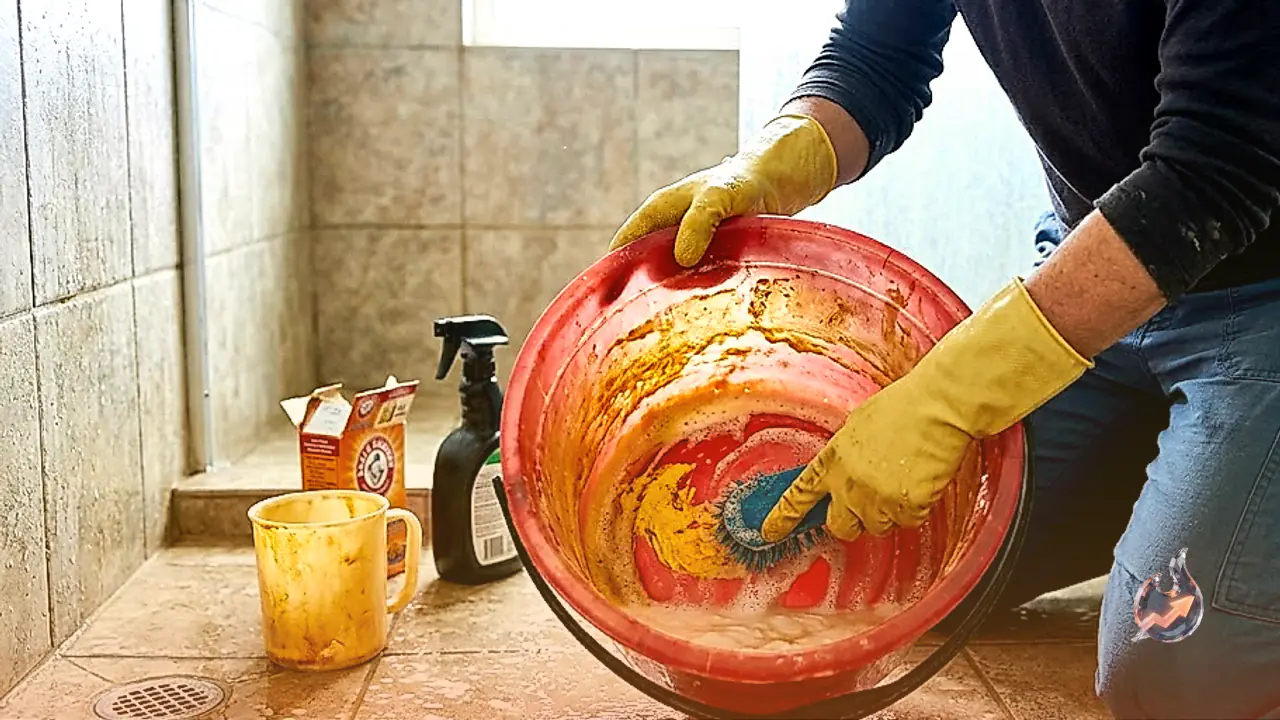
If soaking with water and soap fails to lift the stains, baking soda can be your next reliable remedy. It helps loosen stubborn leftover particles without harsh abrasives. Mix about three tablespoons of baking soda with a little bit of water to form a thick paste. Apply this prepared paste directly onto the burned areas and leave it undisturbed for roughly 20 to 30 minutes. Afterward, use a soft sponge or a nylon scrubber to gently wipe the area in a circular motion. Do not apply excessive pressure while scrubbing. Baking soda creates a mild abrasive action, so it is always better to use it gradually. Finally, rinse the pot thoroughly with lukewarm water and check how much of the stain has lifted. If the stain has faded but not completely vanished, you can repeat this entire procedure as needed.
Sometimes food sticks with such stubborn force that mere soaking or paste application is not enough to clear it out. In such situations, gently heating a mixture of water and baking soda right inside the cookware can be extremely helpful. Fill the pot with water until it rises about one to two inches above the bottom, ensuring the burnt portion is completely covered. Then mix two tablespoons of baking soda into the water. Place the pot on the stove and let the mixture simmer gently on low heat for about 5 to 10 minutes. Turn off the heat afterward and allow the water to cool down slightly. Once it cools, use a wooden spoon to gently nudge and loosen the accumulated food particles. This process softens the burned food layer significantly, making it much easier to scrape away. Finish by washing the pot with dishwashing liquid and warm water.
If stubborn brown and black stains still refuse to budge, try mixing a few drops of hydrogen peroxide into baking soda to create an active paste. Apply this mixture and let it sit for about 30 minutes before gently scrubbing and rinsing it off. You can also utilize non-abrasive cleaners specifically formulated for enameled cookware, ideally the exact brand recommended by your product manufacturer. Always follow the explicit instructions printed on the product label, and test any new cleaning solution on a small, hidden patch first. For long-term brown or black discoloration that resists normal washing, the hydrogen peroxide and baking soda combination requires careful monitoring. Always test on a small area first, keep it applied only for the recommended time limit, and rinse thoroughly with plenty of water. Never mix different cleaning agents together, especially bleach with vinegar or ammonia, as this dangerous combination releases toxic fumes.
Alongside using the correct cleaning techniques, it is equally important to understand what items can ruin the enamel coating in the first place. Avoid steel wool, metal scrapers, harsh scouring pads, heavy-duty abrasive powders, and automatic dishwashers, as all of these can scratch the enamel, dull its shine, or wear it down completely. Cooking on medium or low heat, using a small amount of cooking oil or butter, and allowing the pan to warm up gradually will help prevent burning in the future. Always dry the cookware completely after washing, store it with a paper towel or cloth placed between the lid and the base, and discontinue use immediately if chips or deep cracks appear on the enamel surface.