
















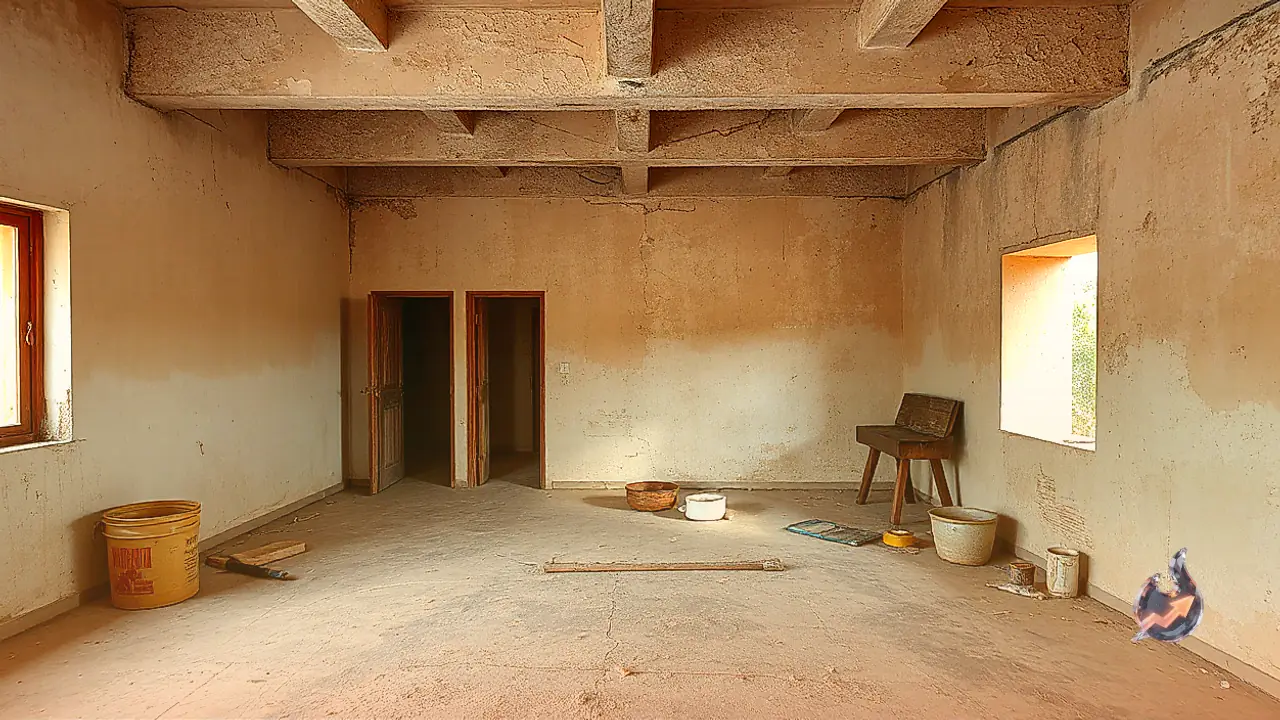

As the festival of Diwali approaches, people across the region actively begin preparations to make their homes look fresh, vibrant, and beautiful. While some people hire painters, others plan to decorate their walls with attractive new shades and colors. However, are you aware of the fact that despite spending money on the most expensive paints available, the color often starts peeling off or losing its shine within just a few months? The biggest reason behind this premature damage is not just the quality of the paint itself, but the lack of proper cleaning, sanding, and repair of the walls before the painting process begins. Pitambar Rajak, who has been working as a house painter in Bilaspur, Chhattisgarh for the past 16 years, shares crucial insights regarding this common issue. He explains that simply choosing a good and expensive color is never sufficient to give a home a lasting new look for Diwali. Before starting any painting work, it is extremely important to understand the actual condition of the walls, sand down old paint, fix damaged putty, fill structural cracks, and permanently solve any existing dampness problems. If you completely ignore these critical steps, you will fail to achieve the desired results even after using the costliest paints and putties available in the market. Let us explore the essential guidelines you must follow before painting your home this Diwali to ensure your walls remain beautiful, glossy, and durable for a long time.
Thorough Cleaning and Surface Preparation
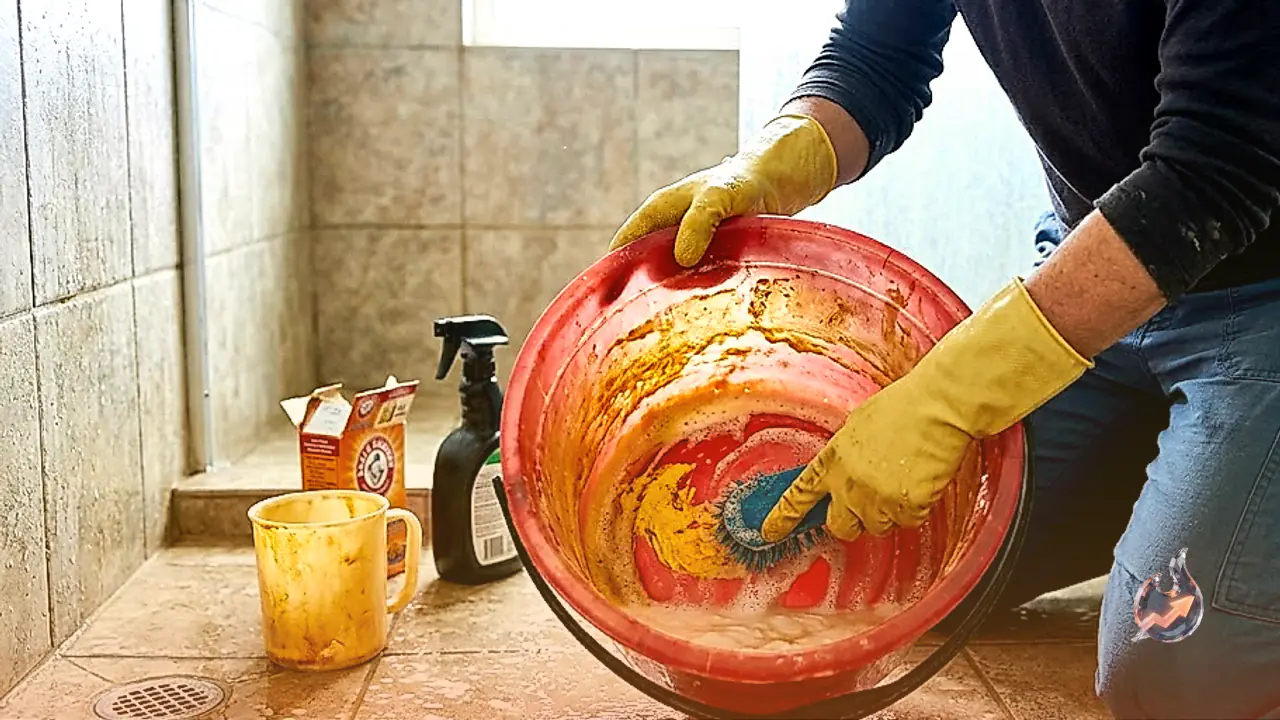
According to Pitambar Rajak, cleaning the walls thoroughly before starting the primary painting work is an absolute necessity. Very often, dust, accumulated dirt, and old layers of paint remain stuck to the walls over long periods. In certain areas, the old wall putty starts peeling off on its own, or previous coats of color begin separating from the surface. Under such conditions, applying fresh paint or new putty directly over uncleaned surfaces is never the right approach. One must first inspect the current state of the walls carefully and remove any loose paint or damaged putty to make the surface completely flat and uniform. When the surface is properly leveled, the new color adheres much better and delivers a smooth, flawless finish. Skipping this vital cleaning phase almost always leads to premature paint failure, making initial preparation a non-negotiable step.
Sanding Old Paint Before Applying Fresh Coats
If your home walls already have a previous layer of paint, checking its overall condition becomes essential before applying a fresh coat. You need to determine whether the old paint remains firmly intact or if it is chipping off from multiple spots, and plan your preparation accordingly. Any peeling paint and uneven putty present on the walls can be corrected with the help of proper sanding. Sanding helps level the wall surface evenly, which ensures enhanced brightness and a superior finish once the new color is applied. After preparing the surface according to specific requirements, a suitable primer must be applied before painting. However, the choice of primer should always depend strictly on the type of wall and the specific paint being used to guarantee maximum durability and bonding strength.
Never Ignore Wall Cracks and Fissures
It is very common to spot minor cracks and fissures on household walls over time, and people often mistake them for harmless flaws, painting right over them without treatment. However, within a short period, those exact same cracks reappear on the surface, ruining the aesthetic appeal of the room. Pitambar Rajak points out that before undertaking any painting project, one must identify all visible cracks on the walls and carry out proper repairs. For small and superficial cracks, suitable crack fillers or crack-sealing products matching the wall type should be employed. These products help level the surface efficiently and improve the final finish of the paint. On the other hand, if the cracks are noticeably large or continuously expanding, consulting an expert before proceeding is mandatory to prevent structural issues.
Using Damp Proofing Solutions for Seepage
Dampness or moisture present in home walls is one of the primary culprits behind peeling paint and the destruction of wall glossiness. If moisture remains trapped inside a wall and fresh putty or paint is applied directly over it, problems like bubbling, flaking, or ugly stains start emerging within a few weeks. Under such circumstances, identifying the exact root cause of the dampness before painting is critically important. According to Pitambar Rajak, damp-proofing products designed to resist moisture can be utilized depending on the specific condition of the wall. However, merely applying a product will not cure all forms of seepage; painting work should only begin after successfully fixing the actual source of water leakage or incoming wall moisture.
The Correct Application of Primer and Putty
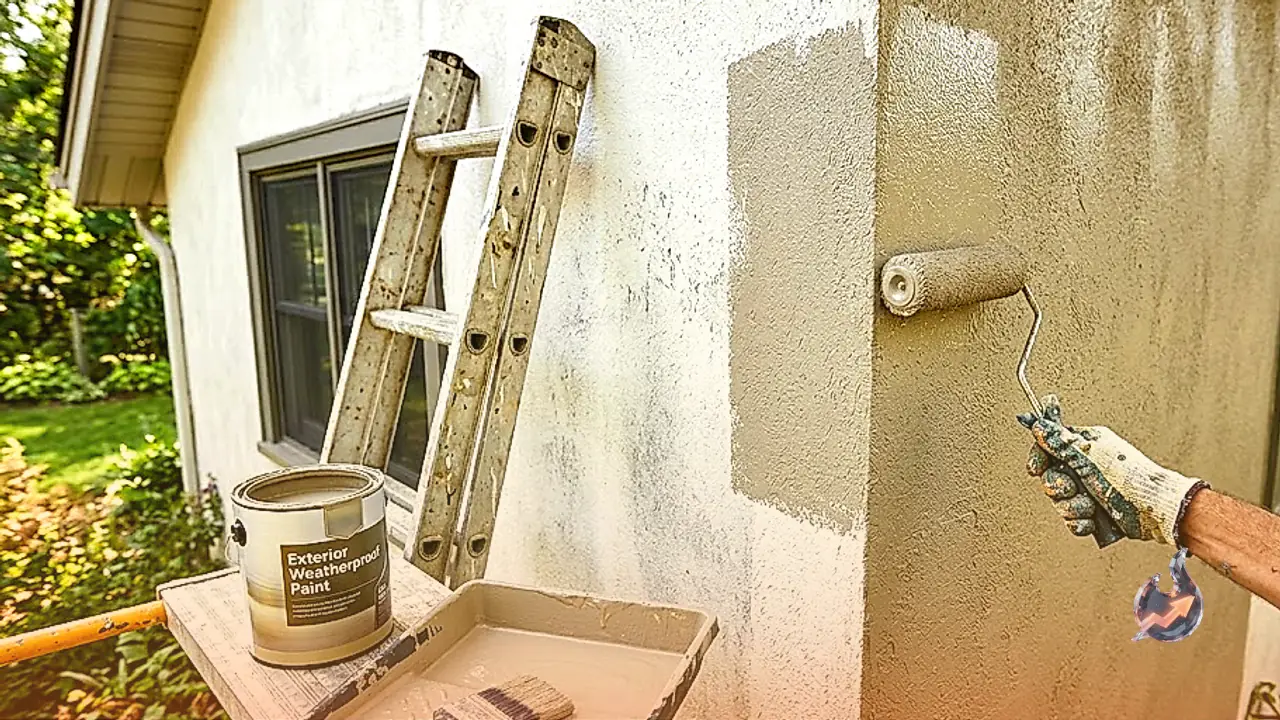
The subsequent stages of painting should only commence after completing thorough cleaning, sanding, and repair work. Wall putty is applied as needed to level the surface smoothly, followed by the application of an appropriate primer. The primary function of a primer is to establish a strong bond between the wall surface and the final paint, which significantly enhances the visual finish of the color. Even on walls with pre-existing paint, rushing to apply a fresh coat without surface preparation is discouraged. Executing proper sanding, putty application, and priming processes not only enhances wall aesthetics but also drastically improves the long-term durability of the paint.
Pitambar Rajak emphasizes that relying solely on expensive paints is never enough to guarantee great results during home painting. If basic factors like wall cleaning, sanding, crack repair, and dampness control are neglected, even the costliest paint will deteriorate rapidly. Therefore, before starting your Diwali painting work, get your walls inspected by an expert and use the right materials tailored to specific needs. Choose paints, primers, putties, and anti-dampness products according to what the wall actually requires. Furthermore, always adhere strictly to the manufacturer guidelines regarding application and drying times for every product used. Proper preparation brings out the true beauty of walls and keeps the paint looking fresh for extended periods.
Preparing Your Home for a Fresh and Attractive Diwali Look
If you are planning to get your entire house painted ahead of this upcoming Diwali festival, do not focus exclusively on paint colors and market prices. Routine wall cleaning, proper sanding of old paint, timely crack repair, permanent dampness solutions, and the correct application of primers are equally vital steps. Pitambar Rajak advises that correct and thorough wall preparation forms the foundation of any successful painting project. By paying close attention to these essential details, you can successfully give your home a fresh, radiant, and highly attractive makeover this festive season.