



















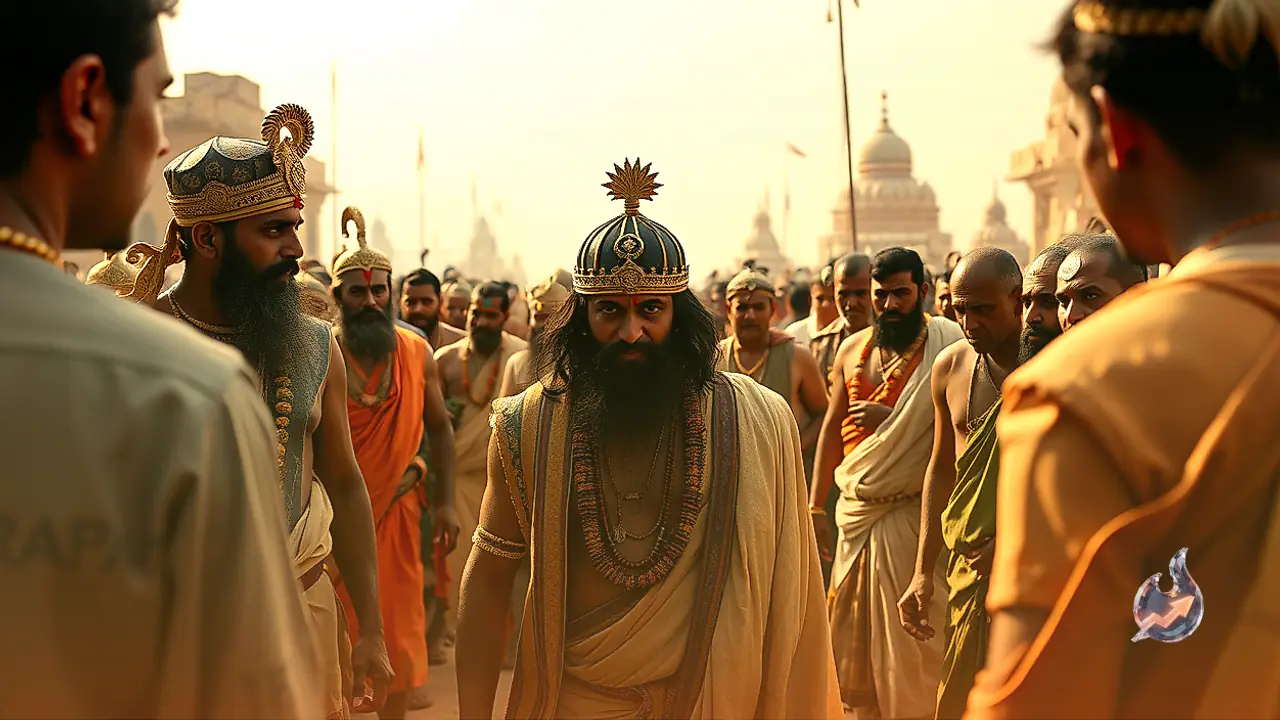

When the massive armies of the Kauravas and Pandavas assembled on the sacred plains of Kurukshetra, the physical confrontation was matched by an intense psychological struggle. The opening chapter of the Shrimad Bhagavad Gita captures this atmosphere of impending conflict. Duryodhana, observing the battle lines, felt an urgent need to inspect his ranks and reassure himself. Approaching his martial preceptor, Dronacharya, he began enumerating the foremost champions fighting on his side. This tactical and emotional inventory is recorded in the eighth verse of the first chapter.
On the surface, this verse simply lists names of celebrated warriors. However, viewed through the lens of organizational philosophy and leadership, it reveals crucial insights into crisis management, resource assessment, and the psychology of doubt. It demonstrates that facing any major challenge demands an honest evaluation of available capabilities, genuine teamwork, and a clear-eyed perspective on personal limitations.
The Eighth Verse and Its Literal Meaning
The eighth verse of Chapter 1 of the Shrimad Bhagavad Gita reads as follows
Bhavanbhishmashcha karnashcha kripashcha samitinjayah.
Ashwatthama vikarnashcha saumadattistathaiva cha.
In plain language, Duryodhana addresses Dronacharya, stating that their ranks boast exceptional figures including Dronacharya himself, the venerable Bhishma Pitamah, the undefeated warrior Karna, and Kripacharya, who is consistently victorious in battle. He adds to this formidable group Dronacharya's son Ashwatthama, his own brother Vikarna, and Bhurishrava, the valiant son of Somadatta.
Through this catalogue of martial power, Duryodhana sought both to impress his commander and to calm his own hidden anxieties. By highlighting champions of unmatched renown, he attempted to reinforce the perception that his force held an indisputable advantage on the battlefield.
The Eight Stalwarts Assembled on the Battlefield
Every individual mentioned in this verse commanded immense authority and specialized skill. Dronacharya was the master teacher of advanced warfare and military arts. Bhishma Pitamah, the supreme commander of the Kaurava forces, brought unparalleled battlefield experience along with the rare boon of choosing the timing of his own passing. Karna was renowned across the land for his archery, courage, and natural armor. Kripacharya, the royal preceptor, was celebrated for tactical brilliance and resilience under fire.
Alongside them stood Ashwatthama, a master of celestial weaponry, Vikarna, recognized among the brothers for valor and moral discernment, and Bhurishrava, a committed warrior of exceptional strength from the Bahlika royal lineage. Each possessed unique capabilities and vast battle expertise, forming what appeared to be an unbeatable coalition.
Recognizing Personal Strengths Alongside Objective Realities
A vital lesson drawn from this verse concerns the necessity of conducting a rigorous inventory of assets before embarking on any demanding undertaking. Duryodhana knew the specific strengths of his commanders. Similarly, professionals navigating corporate challenges, entrepreneurs building ventures, or students tackling intensive examinations must clearly understand their core competencies and available tools.
However, inventorying strengths is only half the equation. Overreliance on past accomplishments or sheer capability without recognizing vulnerabilities leads to catastrophic miscalculations. True readiness involves acknowledging weaknesses with absolute honesty, identifying areas that need fortification, and maintaining humility even when armed with abundant resources.
The Value of Assembling Complementary Skills in Difficult Times
Duryodhana's ranks contained figures with diverse temperaments, backgrounds, and specialties. In modern environments, whether resolving a complex operational problem at work or navigating a crisis at home, assembling varied perspectives is essential. No single individual possesses all answers.
Effective leadership requires recognizing and honoring the distinct contributions of every team member. Seeking counsel from experienced peers and admitting when specialized assistance is required is never a sign of inadequacy. Instead, it reflects mature strategic judgment and a commitment to collective success.
Why Abundant Resources Cannot Replace Prudent Strategy
Despite possessing legendary commanders like Bhishma, Drona, and Karna, the ultimate outcome was fraught with peril for Duryodhana. This historical episode serves as a powerful reminder that elite personnel, abundant funding, or prestige do not automatically guarantee triumph. Victory requires coherent purpose, ethical grounding, clear communication, and operational adaptability.
Self-assurance is vital, yet it must remain anchored in dynamic planning rather than static dogma. When circumstances shift, a capable leader must adjust tactics without hesitation. The ability to pivot thoughtfully under pressure distinguishes lasting success from avoidable collapse.
Avoiding Comparative Envy and Staying Anchored to Purpose
Throughout the epic, Duryodhana's actions were driven largely by reactive comparison with the Pandavas. He constantly measured his standing by looking across the field at his rivals. In contemporary life, measuring personal success against the visible milestones of others produces chronic stress and erodes self-worth.
The takeaway from this reflection is clear: observe competitors objectively, but invest all creative energy into your own responsibilities, skills, and progress. Consistent, disciplined self-improvement yields results that external validation can never match.
A Simple Daily Routine for Contemplating This Verse
Integrating the philosophical lessons of this verse into everyday life can be achieved through a grounded routine
- Morning Focus: Spend a quiet moment at the start of your day reading the verse attentively, letting its meaning settle in your thoughts.
- Resource Assessment: Take inventory of the tools, knowledge, and supportive relationships currently available to assist with your tasks.
- Single-Point Objective: Establish one clear, achievable target for the day, such as refining an essential skill or correcting a known professional shortfall.
- Evening Reflection: Review your progress calmly before sleep, noting where execution met expectations and where adjustments will be needed tomorrow.