



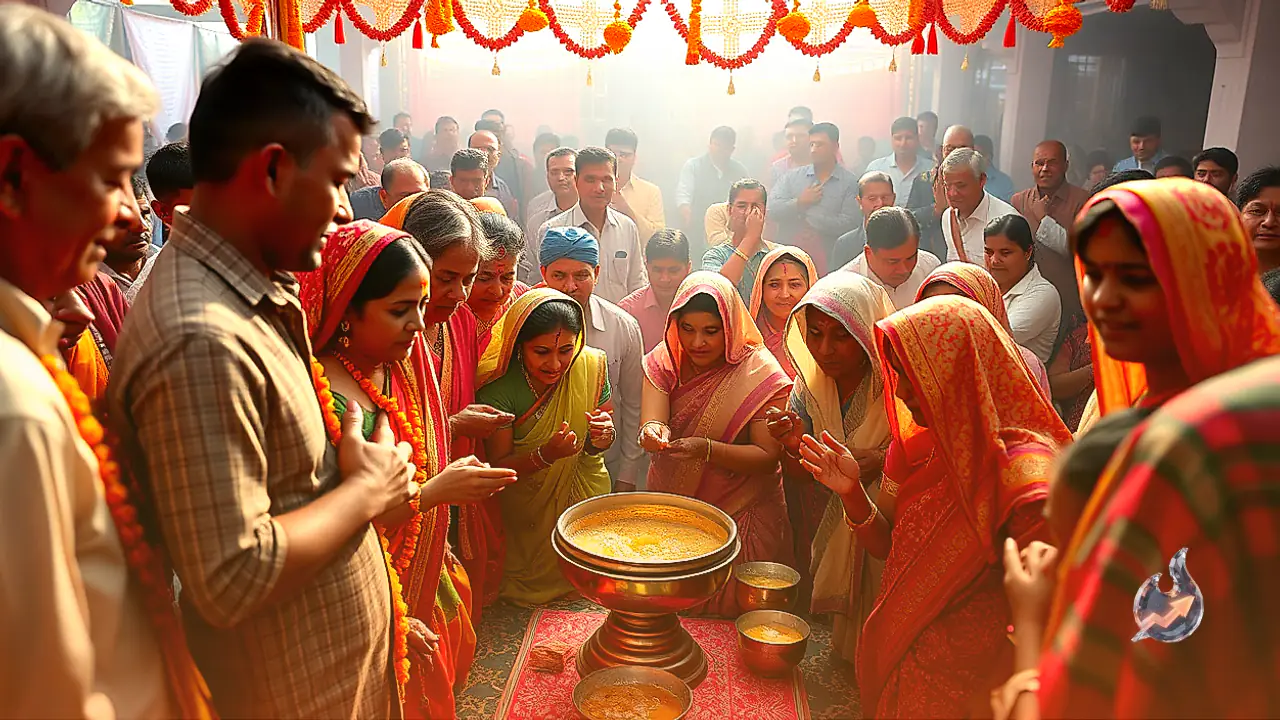
















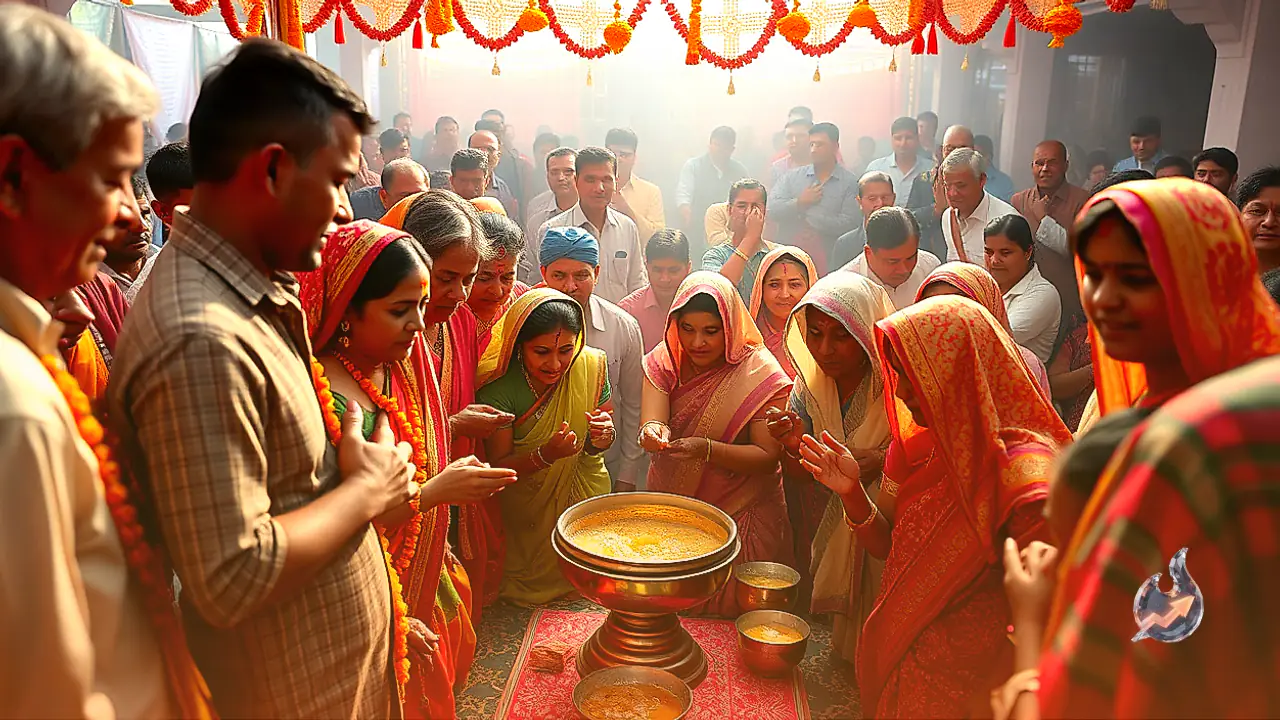

During the observance of Sharad Navratri, the sixth day is dedicated to the reverence of Maa Katyayani, the sixth manifested form of Goddess Durga. Sacred tradition reveres this divine entity as the embodiment of courage, inner strength, and the ultimate triumph of righteousness over malevolent forces. Worshippers believe that meditating upon her grace dispels obstacles, instils perseverance, and shields the family from adversity. Devotees mark this occasion by observing fasts, reciting ancient verses, and presenting pure offerings at home shrines.
Spiritual Lore and Iconographic Representation
Ancient texts recount that sage Katyayan performed rigorous austerities and deep meditation yearning to receive the Supreme Mother as his daughter. Delighted by his steadfast devotion, the Goddess manifested as an incarnation in his hermitage. Because she entered this mortal realm as the daughter of sage Katyayan, she came to be celebrated by the name Katyayani. Mythological narratives also acclaim her as the fierce warrior form who annihilated the demon Mahishasura, liberating the cosmos and deities from tyrannical oppression.
In classical depiction, Maa Katyayani is seen mounted upon a regal lion, radiating majestic brilliance with four arms. In one hand, she wields a gleaming sword representing the severing of ignorance and darkness, while another hand holds a delicate lotus, symbolizing purity and transcendence. Her remaining two hands are held in the Varada and Abhaya mudras, reassuring seekers of her benevolence and unfailing protection. This divine posture reminds spiritual aspirants to face injustice with unwavering resolve and overcome life tribulations with firm inner fortitude.
The Tradition of Offering Honey and Pure Offerings
A longstanding custom associated with the sixth day of Navratri is the offering of pure honey to Maa Katyayani. Alongside honey, devotees present fresh seasonal fruits, traditional sweets prepared with pure ingredients, and simple satvik dishes. Great emphasis is placed upon sanctity, cleanliness, and sincere devotion while preparing these offerings, allowing households to follow their respected familial practices. The consecrated food, or prasad, reflects devotion and total surrender, and upon the conclusion of worship, it is shared among family members and visiting seekers.
Step-by-Step Worship Guidelines
The daily ritual begins early in the morning by bathing and dressing in clean attire. The altar space must be meticulously cleaned before illuminating an oil or ghee lamp in front of the idol or image of Goddess Durga.
- Begin the adoration by steadying the mind and invoking the divine presence of Maa Katyayani.
- Offer fresh blossoms, unbroken rice grains known as akshat, sacred vermilion, and sandalwood paste.
- Present pure honey or other satvik preparations aligned with family customs.
- Chant the dedicated stotras and sacred invocations with concentrated focus and reverence.
- Conclude the ceremony with the ceremonial aarti of Goddess Durga, praying for domestic peace, safety, and auspicious fortune.
If specific ritual materials are hard to procure, traditions affirm that simple devotion and tranquil contemplation outweigh elaborate accessories. Maintaining mental calm and inward dedication remains the core essence of the devotional experience.
The Sacred Chant and Its Spiritual Meaning
Devotees recite the time-honoured verse from the Durga Saptashati to evoke her grace
Chandrahasojjvalakara Shardulavaravahana.
Katyayani Shubham Dadyad Devi Danavaghatini.
Through this invocation, the seeker bows before the divine mother whose hand gleams with a radiant sword, who rides an illustrious lion, and who vanquished tyrannical demons. By reciting these lines, worshippers implore the deity to grant auspiciousness, eliminate spiritual and physical obstructions, and foster resilience against daily struggles.