


















The winding and historic lanes of India's most ancient cities preserve centuries of culture, heritage, and architectural brilliance. Exploring these traditional neighborhoods offers far more than a typical sightseeing trip, serving instead as a genuine journey through time where history remains alive in the modern day. From bustling northern markets to southern architectural marvels, these old urban quarters tell stories of bygone eras while maintaining a vibrant pulse of contemporary local life.
The Vibrant Lanes of Varanasi
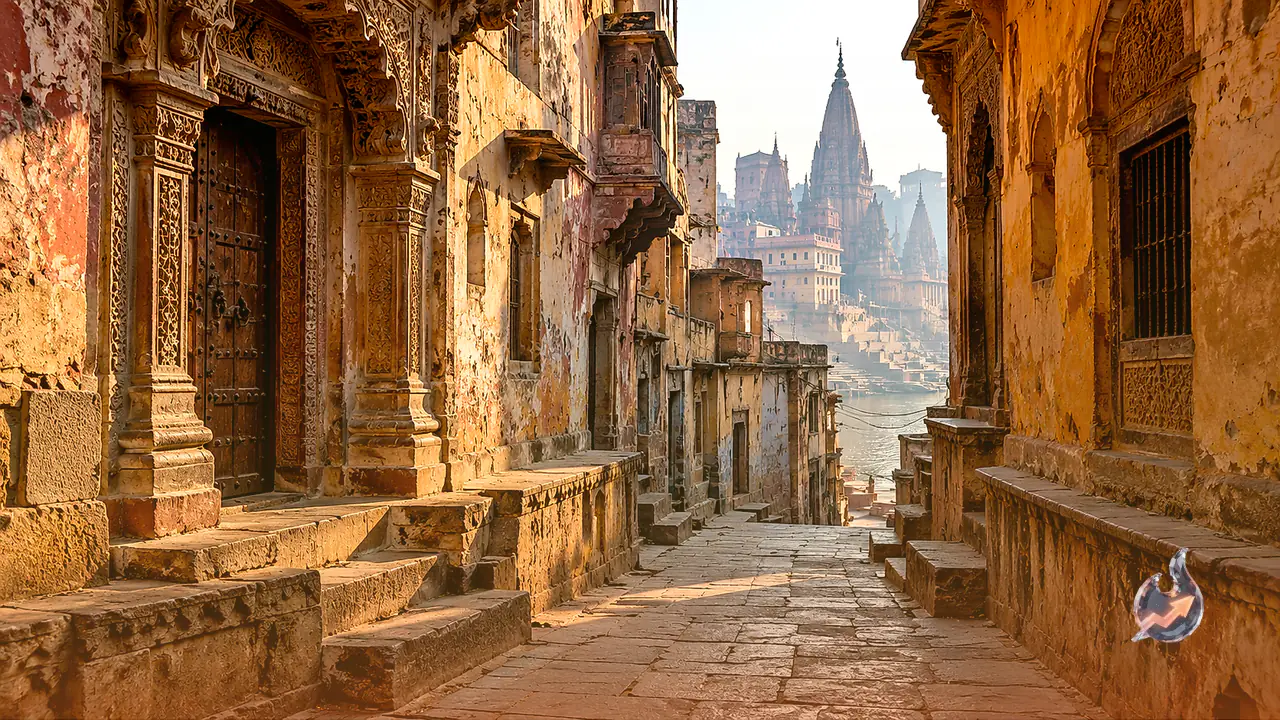
The identity of Varanasi extends far beyond its famous ghats along the sacred river, with the narrow alleys of the old Kashi district forming an essential part of the city's unique charm. Walking through areas like Vishwanath Gali, Chowk, and Thatheri Bazaar reveals traditional markets, ancient temples, small shops, and generational businesses operating just as they have for decades. The defining feature of these tight corridors is how seamlessly they blend a deeply spiritual atmosphere with the bustling routine of everyday urban life. Navigating these paths ultimately leads visitors down toward the riverbanks, creating an unforgettable sensory experience.
The Historic Charm of Old Delhi
Old Delhi, historically known as Shahjahanabad, presents a fascinating intersection of rich history and chaotic commercial trade. The local tourism department regularly organizes heritage walks through Shahjahanabad to showcase the area's architectural and cultural depth. Moving through Chandi Chowk, Chawri Bazaar, and the surrounding alleyways exposes visitors to grand old havelis, historic religious sites, and specialized markets dedicated to specific trades. Many of these passageways are remarkably narrow and winding, making walking the absolute best and most immersive way to truly understand the layout and spirit of the district.
The Planned Heritage of Jaipur
While Jaipur is globally renowned for its distinctive pink hue and majestic palaces, the market lanes embedded within the old walled city hold an equal amount of historical charm. Established in the year 1727, Jaipur was developed as a meticulously planned city with structured layouts for residential, commercial, and religious buildings. Walking through these historic sectors allows visitors to observe classic architecture existing side by side with active traditional trades. This harmonious coexistence of heritage and modern daily routine gives the ancient streets of Jaipur their enduring appeal.
The Nawabi Legacy of Lucknow
The older neighborhoods of Lucknow carry a distinct imprint of the historic Nawabi era through their architecture and cultural traditions. The Chowk area and its surrounding districts are particularly famous for their rich market culture, intricate traditional craftsmanship, and preserved historical structures. Local heritage walks prominently feature these older quarters, the historic Chowk, and nearby Imambaras. Wandering through these lanes provides travelers with a firsthand look at traditional architecture alongside Lucknow's world-famous Chikankari embroidery and legendary culinary traditions, keeping the historic soul of the city vibrantly intact.
The Historic Core of Hyderabad
The area surrounding the iconic Charminar serves as the definitive heart of old Hyderabad. This historic district features major landmarks such as the Charminar itself, the expansive Mecca Masjid, and the bustling Laad Bazaar situated in close proximity to one another. The surrounding streets pulse with commercial activity and traditional trade, offering visitors a vivid window into the city's royal past while remaining an active and essential part of the modern metropolis.