






















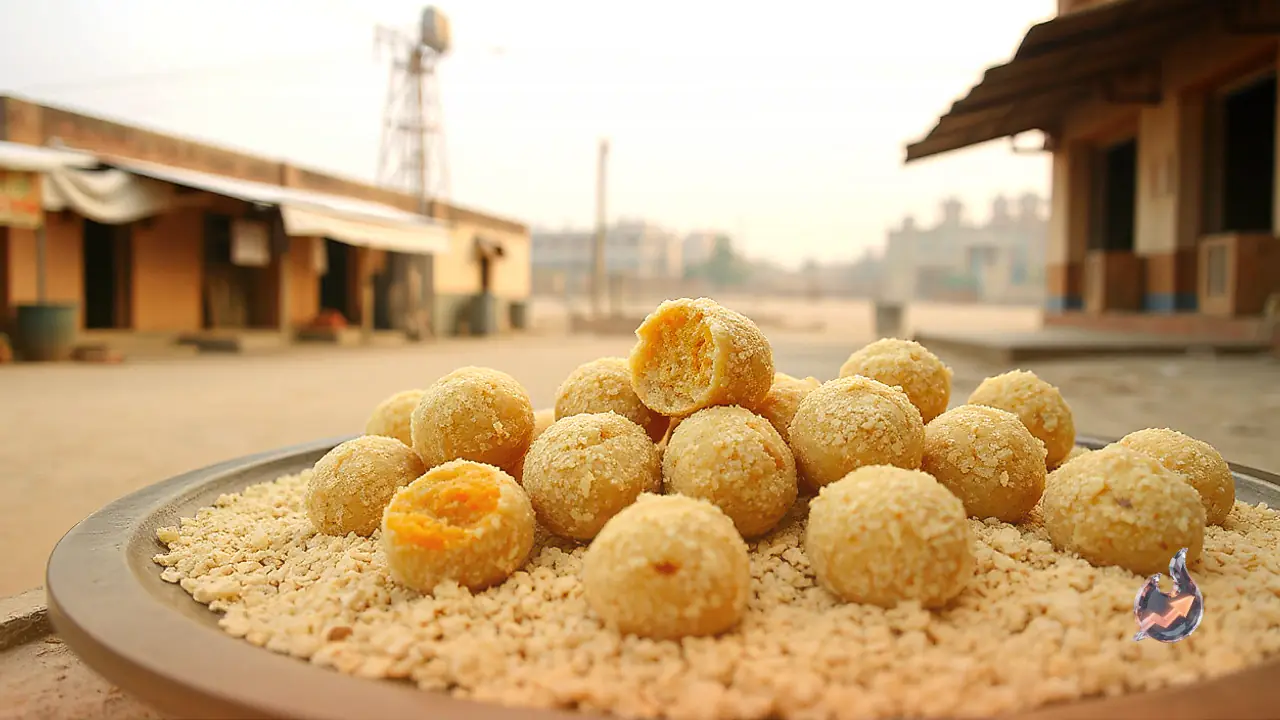

When cold weather sets in, seasonal adjustments to daily meals become essential for preserving stamina and maintaining baseline physical vitality. Across Indian households, winter traditions have long favored rich, home-cooked treats that incorporate wholesome ingredients, natural fats, and hearty grain staples. A blend of semolina, almonds, cashews, raisins, and clarified butter forms a satisfying sweet that supplies steady calories alongside diverse micronutrients. Best of all, preparing these nutritious spheres in a home kitchen requires simple equipment, and the finished sweets store conveniently for multiple days.
Required Ingredients and Proportions
Preparing this winter delicacy relies on basic pantry essentials that can be adjusted to suit personal preference. The foundation consists of 2 cups of semolina, complemented by half a cup of pure desi ghee for roasting. For sweetening, use half a cup of sugar or powdered boora according to personal taste. To enhance nutritional depth and texture, gather half a cup of finely chopped almonds and cashews, alongside 2 tablespoons of plump raisins.
For fragrant aroma, keep half a teaspoon of cardamom powder ready. A small amount of warm milk, added strictly as needed, serves as the binding fluid to help bring the mixture together into firm balls. Home cooks may also introduce walnuts or pistachios based on preference. All quantities can be dialed up or down depending on household taste and dietary requirements.
Step-by-Step Cooking Technique
Begin by setting a heavy-bottomed pan over the stove and melting a small portion of the measured ghee. Add the chopped almonds, cashews, and raisins, tossing them lightly until they develop a gentle golden crispness, then transfer them to a separate dish. Sautéing the nuts first preserves their crunch and draws out their rich natural aroma. Next, pour the remaining ghee into the same pan and tip in the semolina to roast over low heat.
Stir the semolina continuously with a spatula so that it browns evenly without scorching against the bottom. Once the grain takes on a pleasant golden hue and releases a toasty fragrance, switch off the heat. Immediately fold in the roasted nuts, cardamom powder, and powdered sweetener, blending all elements thoroughly. Allow the mixture to cool until it is comfortable to handle, then sprinkle tiny splashes of warm milk to bind the mixture before shaping it into compact round spheres with your palms. Keep the milk strictly limited, as surplus liquid will shorten the sweet's shelf life.
Who Benefits Most During Winter Months?
Combining semolina with dry fruits delivers a dense mix of carbohydrates, plant proteins, and healthy fats. Cashews and almonds supply essential fatty acids and minerals, while semolina acts as a reliable source of sustained carbohydrates. This profile makes the confection suitable for active individuals facing cold outdoor temperatures and busy professionals needing a quick caloric lift during hectic schedules.
Expert Savita Srivastava notes that the ingredient proportions can be customized according to taste and individual needs. However, consuming these ladoos does not guarantee bodily heat generation or absolute immunity against seasonal ailments. They should be viewed simply as a calorie-dense, wholesome addition to an otherwise varied winter diet rather than a medical remedy.
Portion Control, Health Precautions, and Storage
Because these sweets pack high nutritional value alongside considerable caloric density, moderation remains crucial. Eating a single small ladoo each day is generally sufficient for an average adult. Individuals managing diabetes must exercise strict vigilance over the sugar or boora content. Similarly, anyone adhering to a calorie-restricted weight loss regimen should keep their intake strictly limited.
Those with known allergies to tree nuts should omit any offending variety from the recipe entirely. To preserve maximum freshness and avoid premature spoiling, let the sweet spheres cool completely before transferring them into a clean, airtight container. Because the recipe introduces milk to help bind the mixture, keeping the stored container in the refrigerator is the safest way to maintain quality.