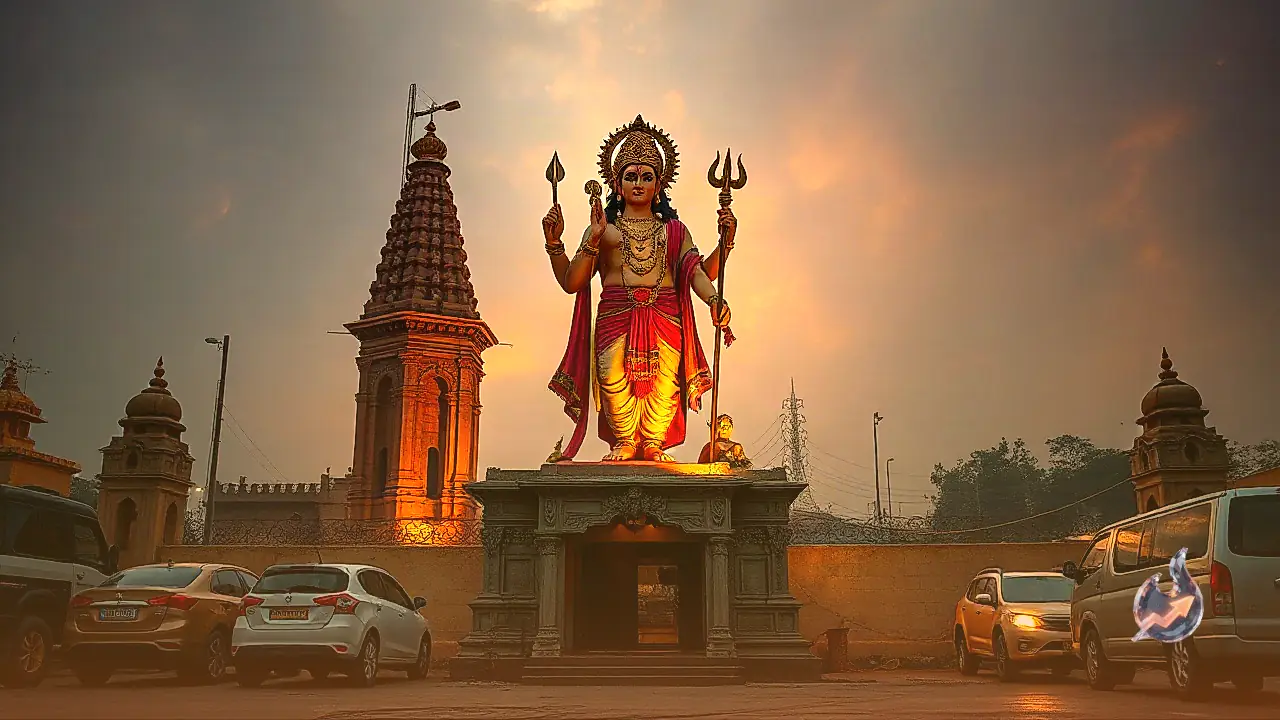

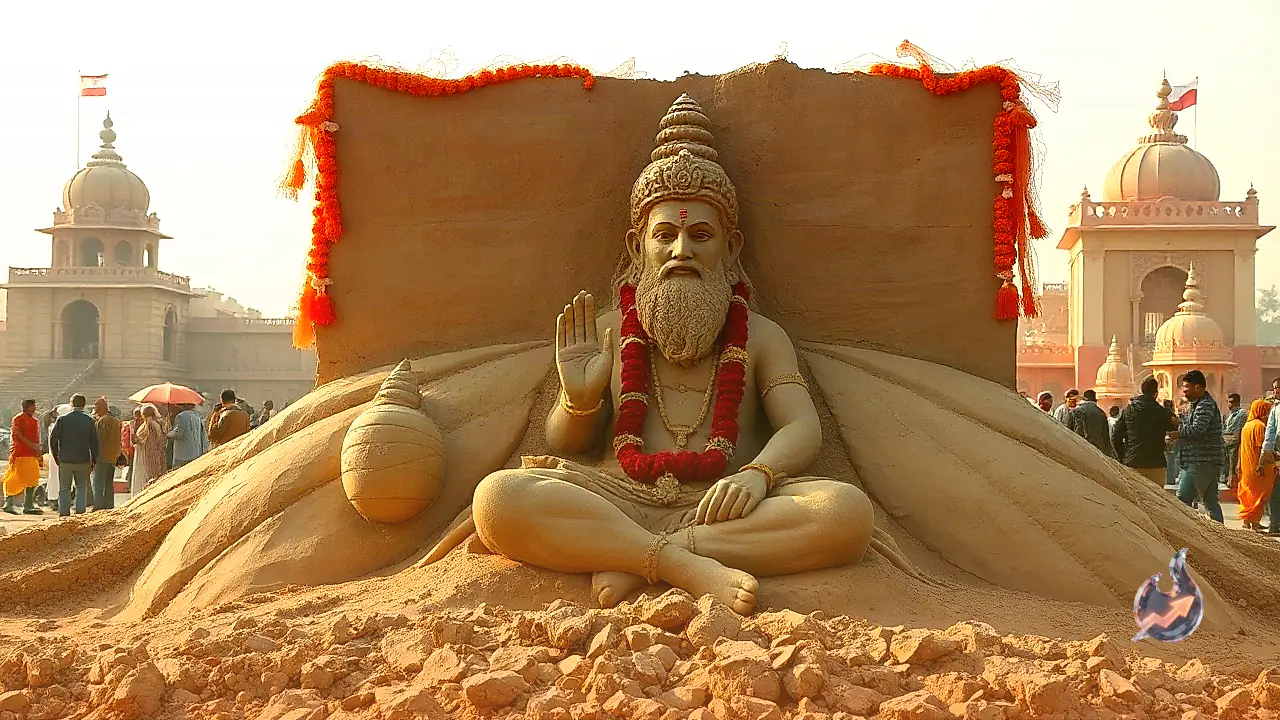




















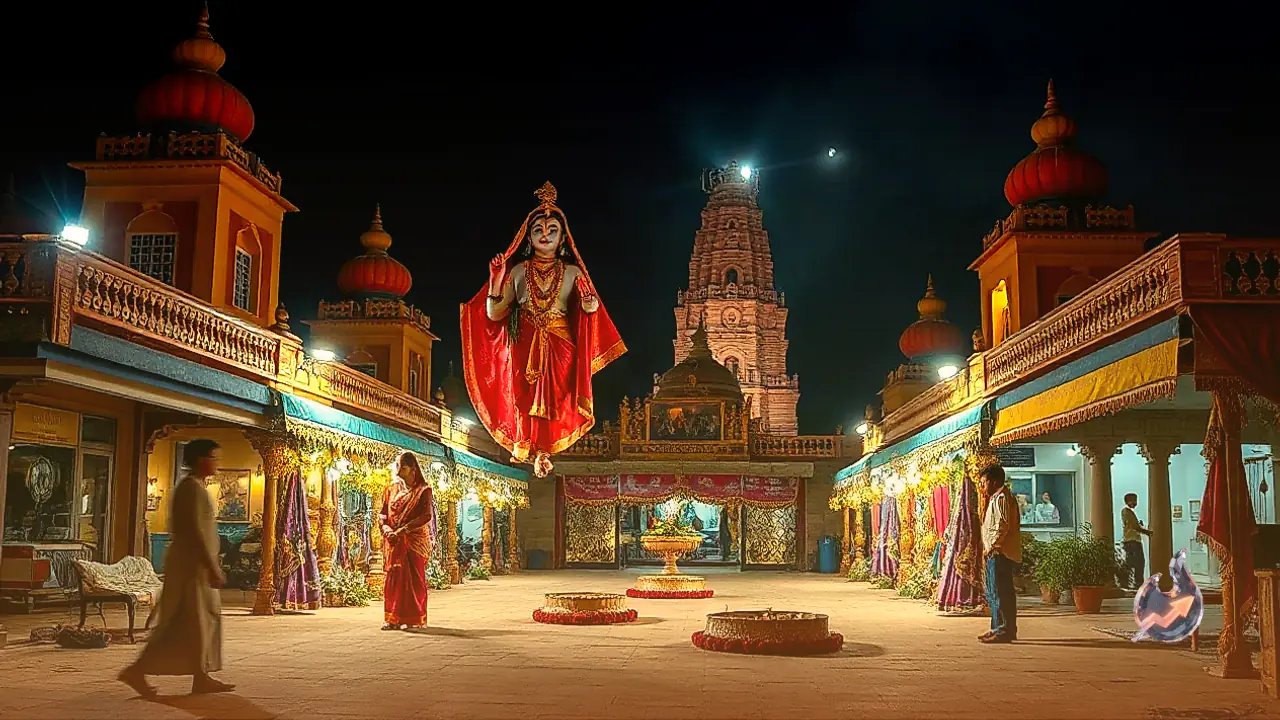

The celebration of Lord Krishna's birth does not conclude with the midnight festivities of Janmashtami. In traditional Indian culture, the sixth day following his birth, known as Chhathi, holds immense spiritual and social significance. On this auspicious occasion, women gather in homes and decorated temples across North India to sing traditional Badhai Geet and Chhathi songs. Among these cherished folk compositions, 'Janm Liyo Dono Bhaiya, Gokul Mein Baje Badhaiya' stands out as a timeless piece that evokes the vibrant spirit of Gokul. Far beyond a simple religious chant, this song paints a vivid picture of rural festivities, maternal warmth, and community bonding when a newborn enters the world.
Significance of 'Janm Liyo Dono Bhaiya' on Krishna Chhathi
In Indian folk traditions, the nativity of Krishna transforms the entire landscape of Braj into an ongoing festival. The opening verse of the song sets an immediate tone of joy: 'Janm Liyo Dono Bhaiya, Gokul Mein Baje Badhaiya.' Here, the reference to both brothers highlights the advent of Krishna and Balarama. The word 'Badhaiya' in regional dialects signifies not merely polite congratulations, but the rhythmic sound of festive instruments, singing, and collective jubilation accompanying a holy birth.
Depending on the region, variations exist in the lyrics, melody, and performance style of this song. While some communities sing it immediately following the Janmashtami midnight worship, others reserve it specifically for the naming ceremony (Naamkaran) and Chhathi rituals. Cultural scholars note that such folk songs democratize complex scriptural narratives, translating divine lore into accessible, everyday human emotions. In this context, Gokul transcends its geographical boundaries to symbolize any household or community welcoming a long-awaited child.
Illuminated Doorways and the Beat of Dhol Drums in Gokul
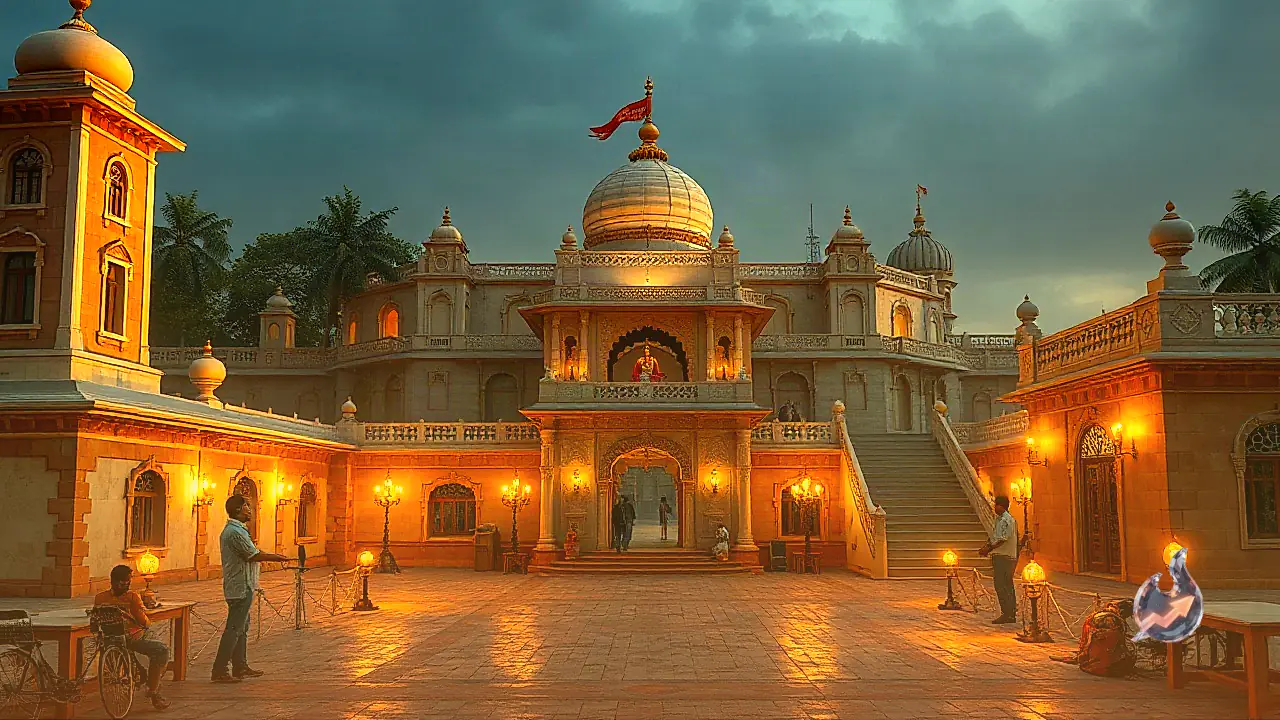
As the narrative of the song unfolds, it paints picturesque scenes of Gokul's streets transformed by light and music. Lines such as 'Jagmag Diye Jalat Hain' (glowing lamps shine brightly) and 'Dware-Dware Deep Jalat Hain' (earthen lamps burn at every doorway) illustrate the visual splendour of the event. In traditional Indian philosophy, lighting clay lamps (diyas) symbolizes auspiciousness, prosperity, and the removal of spiritual darkness. The imagery suggests that the entire settlement of Gokul was illuminated to honor the divine child's arrival.
Furthermore, the song captures the auditory ecstasy of the village through expressions like 'Galiyon-Galiyon Dhoom Machi Hai' (rejoicing echoes through every lane) alongside the energetic beats of the dhol drum. Unlike formal classical compositions, folk songs excel at grounding grand theological events in relatable human experiences. Krishna was not born in an isolated palace of luxury, but among humble cowherds and villagers. Consequently, the song depicts ordinary residents rushing out into the streets, dancing to drumbeats, and celebrating as one unified family.
The Cultural Meaning Behind Showering Diamonds and Money
A striking portion of the song features lines like 'Kaun Lutaye Heere-Moti' (who is showering diamonds and pearls) and 'Kaun Lutaye Rupaiya' (who is showering money). While modern readers might view this as a literal display of material wealth, in folk literature, such phrases carry a symbolic meaning of boundless generosity and overwhelming happiness. In Indian culture, the birth of a child is traditionally accompanied by gifting, charity, and sharing blessings according to one's means.
The song poetically contrasts King Nand showering precious gems with Mother Yashoda distributing coins in affection. This imagery reinforces the timeless belief that the joy of parenthood far exceeds any material fortune. When supreme bliss enters a household, individuals naturally feel inspired to give away their most valuable possessions. This spirit of selfless sharing elevates the birth celebration from a private family affair into a grand community feast.
Reflecting the Naming Ceremony and Maternal Affection
In its concluding verses, the song transitions to the sacred naming ceremony with the line 'Naam Dharo Hai Kanhaiya.' In Indian tradition, naming a child on or around the sixth day marks an essential rite of passage. In devotional poetry, Krishna is rarely approached solely as an intimidating deity; rather, devotees relate to him through intimate, affectionate names such as Kanhaiya, Kanha, and Nandlala.
Ultimately, this Badhai Geet represents a seamless blend of spiritual devotion (Bhakti) and tender maternal affection (Vatsalya). It honors Krishna's divine incarnation while remaining grounded in the realistic joy of a family welcoming an infant. Through the sound of dholak beats, the love of a mother, and the blessings of neighbors, the song continues to resonate across generations, allowing listeners to experience the timeless joy of Gokul.