





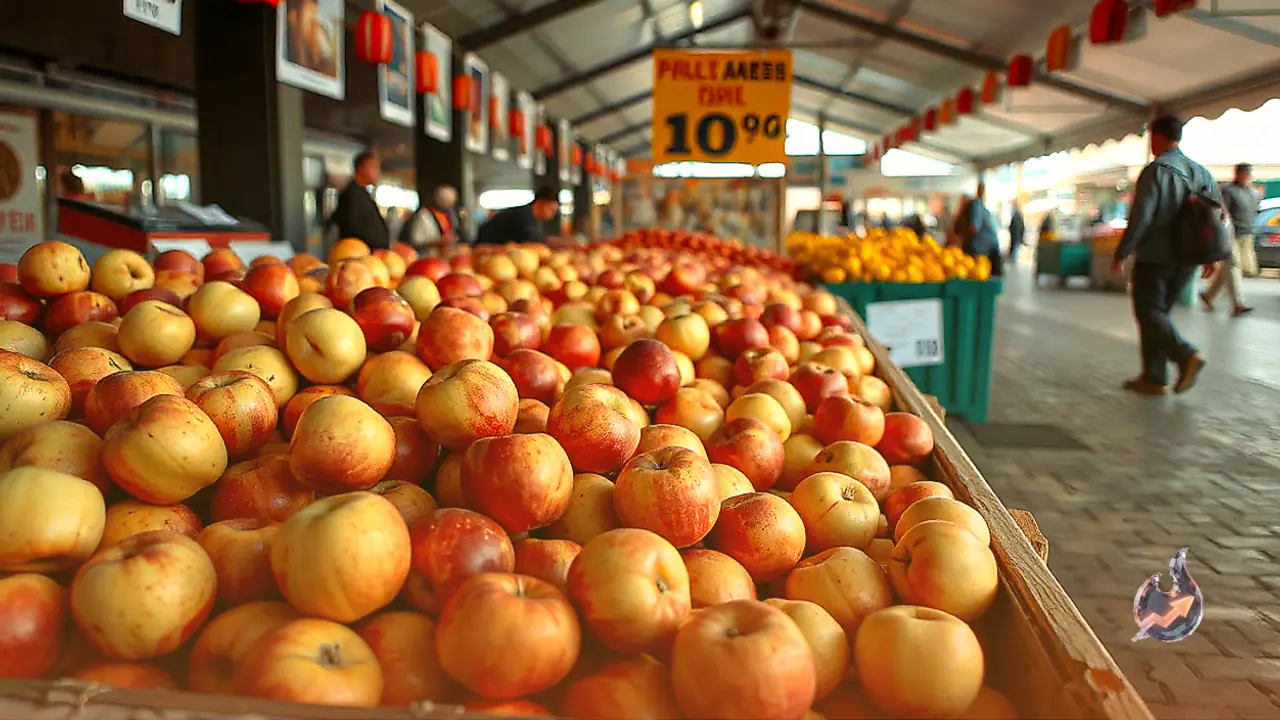
















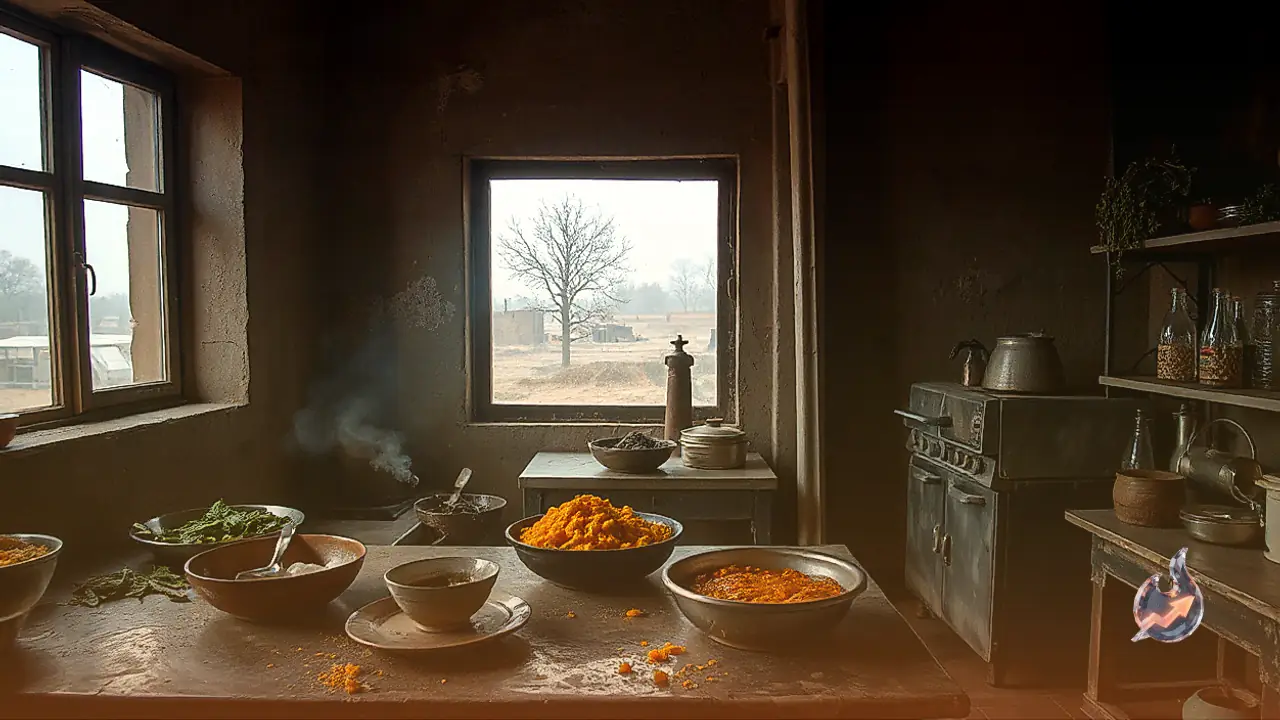

Agra, located in Uttar Pradesh, is widely recognized for its rich culinary heritage and traditional delicacies. With the onset of winter, households across the city begin preparing Sarson Ka Saag, filling local kitchens with its distinctive aroma. Food enthusiasts seeking authentic rural flavours can easily recreate this rustic dish at home, combining seasonal produce into a comforting, nutrient-rich winter staple.
November Arrivals and Essential Pantry Ingredients
Agra food maker Sudha Sharma notes that mustard greens are primarily a seasonal cold-weather preparation. Fresh mustard leaves begin arriving in vegetable wholesale markets starting in November, triggering immediate consumer demand across the region. Preparing the dish properly begins with selecting the right core ingredients.
The traditional preparation calls for fresh mustard leaves, ginger, garlic cloves, green chillies, ripe red tomatoes, and pure desi ghee. Balancing these unrefined, fresh elements provides the foundation for the deep flavours associated with the traditional recipe.
The Forty-Five Minute Simmer and Coarse Mashing
Preparation begins by thoroughly cleaning and washing the fresh mustard greens to remove all traces of soil. The cleaned greens are transferred into a pressure cooker alongside one glass of water, crushed ginger, finely chopped red tomatoes, and green chillies. The cooker lid is then sealed securely.
Sudha Sharma explains that cooking the mixture over low heat for approximately 45 minutes is critical. This slow simmering ensures that the fibrous mustard greens soften thoroughly, allowing the heat to draw out their natural richness. Once cooked, the cooker is opened, and the greens are mashed coarsely using a traditional wooden churner, a heavy utensil, or briefly pulsed in a mixer. Preserving a rustic, slightly coarse texture rather than creating a smooth puree is essential for authentic texture.
Tempering with Rich Desi Ghee and Garlic
Once mashed, the greens undergo tempering to build depth and aroma. Pure desi ghee is heated in a pan or deep pot until thoroughly melted. Chopped garlic and everyday domestic spices are introduced to release their fragrance into the fat.
The simmered, mashed greens are stirred directly into the sizzling garlic ghee mixture and cooked further for several minutes. Sudha Sharma emphasizes that skimping on clarified butter compromises the dish's identity. Generous quantities of ghee carry the heat of the spices and mellow the natural bitterness of the mustard greens.
Traditional Accompaniments and Winter Plating
The ultimate culinary experience of Sarson Ka Saag relies heavily on what accompanies it at the table. According to Sudha Sharma, the greens achieve their fullest character when paired with hot maize flatbreads or pearl millet flatbreads baked over an open-flame hearth. A lavish smear of pure ghee or melting white butter over both the flatbreads and the bowl of greens doubles the richness.
Completing the seasonal spread with crunchy freshly sliced radish and spicy pickled chillies creates a wholesome dining experience that evokes timeless culinary traditions of village households throughout North India during the cold season.