





















India is significantly upgrading its subterranean monitoring infrastructure to strengthen disaster preparedness and track minute geological shifts across the country. As part of this comprehensive initiative, the Ministry of Earth Sciences is preparing to establish 100 additional earthquake observatories nationwide. Geologically sensitive frontier zones have received targeted focus under this roadmap, with four new facilities earmarked for Jammu and Kashmir and another four designated for Ladakh. The primary technical objective of this expansion is to bring the network detection threshold down to magnitude 2.5, enabling automated sensors to pick up low intensity tremors that previously went undetected.
Kishtwar Facility Becomes 183rd Station in National Grid
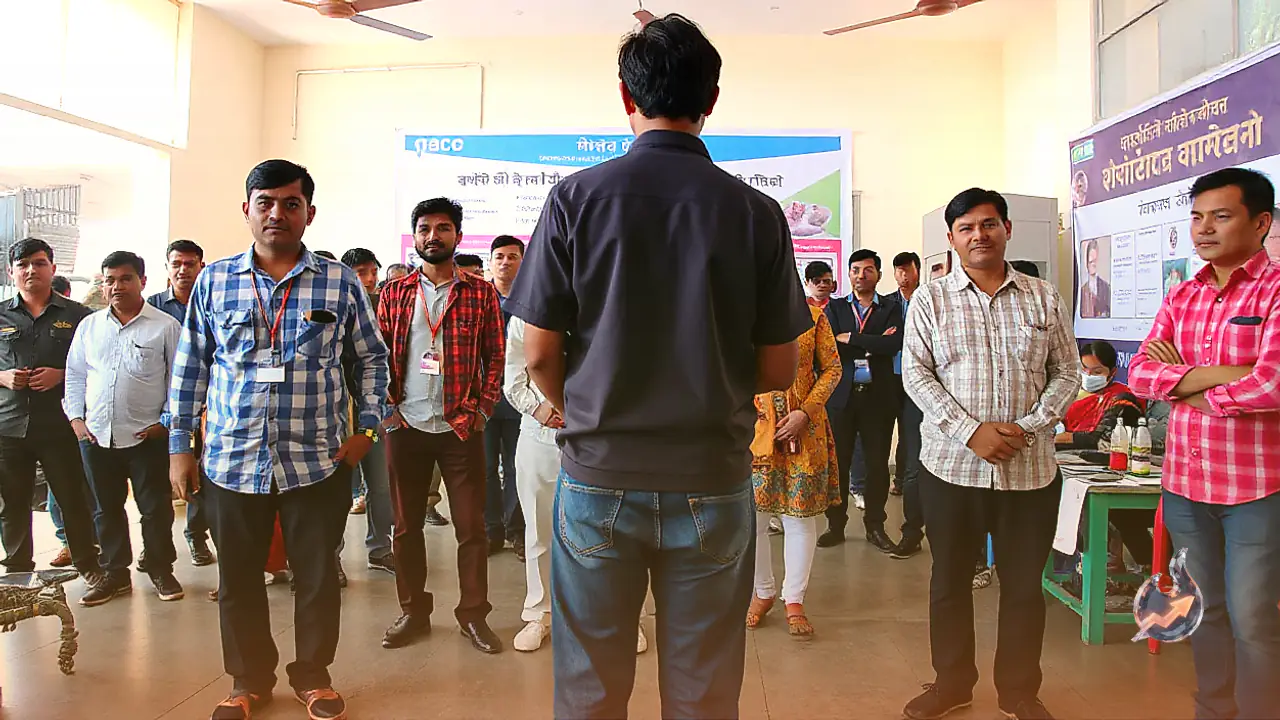
The operational scope of the national seismic grid reached a fresh milestone with the inauguration of India's 183rd earthquake observatory in the Kishtwar district of Jammu and Kashmir. Union Minister Jitendra Singh inaugurated the new monitoring station. Speaking during the opening ceremony, Ministry of Earth Sciences Secretary Srinivas Kumar Tummala outlined the broader strategic expansion, confirming that work is underway to reinforce the National Seismological Network across the country, spanning high risk Himalayan belts as well as remote border districts.
The newly commissioned station in Kishtwar is expected to play a critical role in tracking seismic activity across the Chenab Valley and neighbouring mountain formations. According to Tummala, the facility incorporates modern digital recording instrumentation. This digital architecture completely replaces legacy analogue mechanisms, allowing scientific teams to capture, log, and process seismic wave data with far greater precision and operational efficiency.
Network Size More Than Doubles Over Past Decade
The scale of India's earthquake detection infrastructure has seen sustained growth over the past ten years. In 2014, the nationwide surveillance grid operated with only 84 field stations. With the commissioning of the Kishtwar outpost, the total count has climbed to 183, representing more than a twofold increase in functional sensors and monitoring points. This expanding grid maintains continuous, round the clock vigil over land movements across every region of the country, maintaining active surveillance over vulnerable mountain tracts and boundary zones.
Alongside the rising count of observational nodes, the detection sensitivity of the network has evolved substantially. A decade ago, the national setup was limited to consistently detecting tremors measuring magnitude 4.0 or higher on the scale. Subsequent technological upgrades enabled the network to log seismic events of magnitude 3.0 and above. Once the planned 100 new stations are deployed, the threshold will drop to magnitude 2.5, ensuring that minor subterranean fractures and localized micro tremors are recorded into the national database.
Seismic Microzonation and Real Time Public Notifications
Beyond station installations, the ministry is carrying out seismic microzonation assessments to aid resilient urban planning and risk reduction. The National Center for Seismology has already concluded comprehensive microzonation studies across five major urban centres, including Srinagar. Similar diagnostic assessments covering eight other cities are in advanced stages, with detailed technical reports scheduled for release in the near future.
To ensure seismic observations reach emergency responders and residents without delay, authorities are utilizing multiple digital dissemination channels. The National Center for Seismology shares live, real time incident feeds through its official website and dedicated 'BhooKamp' mobile application. Public advisories and event confirmations are also distributed through automated SMS alerts, emails, and social media channels. Tummala added that atmospheric surveillance is receiving comparable upgrades, with ongoing additions to weather observation networks, radar arrays, and automated weather stations to improve meteorological tracking and early warning precision.