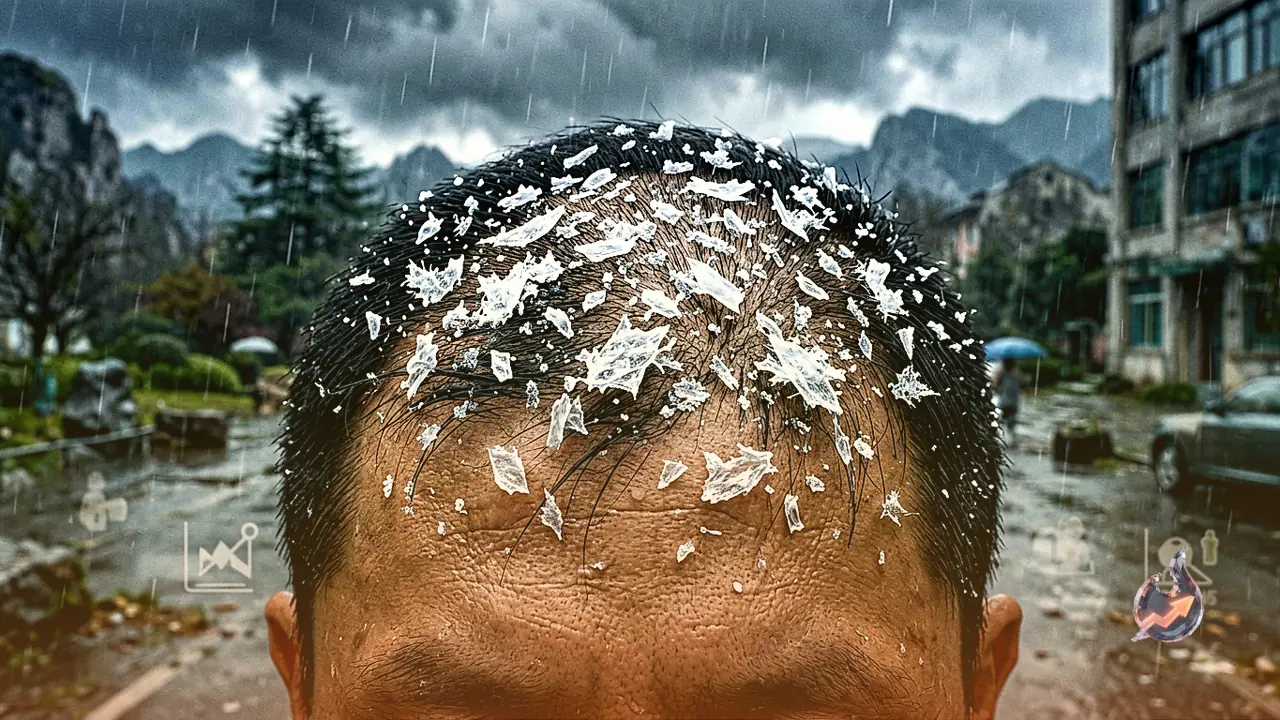






















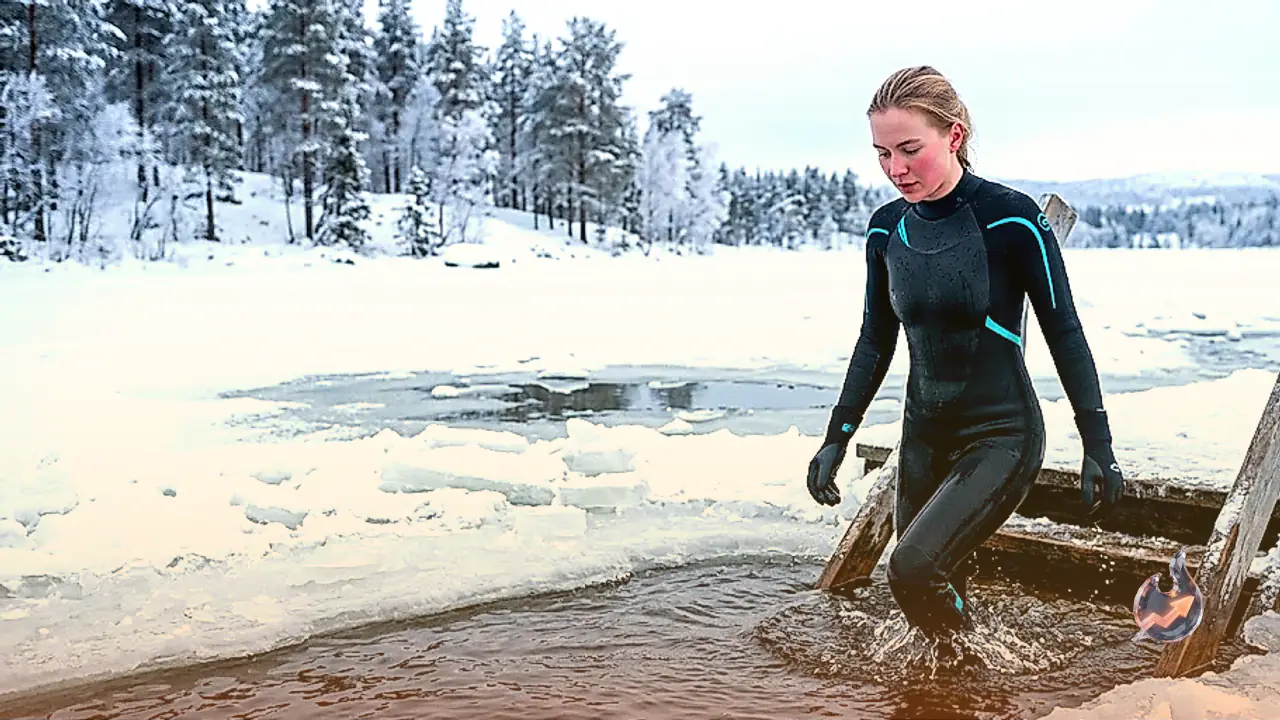

Snow-covered lakes, frozen water, and sub-zero temperatures create environments where an ordinary person would struggle to endure the chill for even a few minutes. Yet, the icy videos shared by Anechka Galkina consistently leave social media users astonished. These remarkable stunts have earned her titles like 'Ice Queen' and 'Snow Girl' across the internet. This raises a compelling question: how can anyone remain in such extreme cold for extended periods? Does this ability stem from an underlying medical condition, or is there a unique physiological change happening within the body?
Human Body and Extreme Cold Exposure
While the human body can tolerate contact with freezing water for short durations, strict physiological limits apply. To maintain a stable internal temperature during cold exposure, the body constricts blood vessels to preserve core heat. Shivering also occurs as a natural mechanism designed to generate warmth. However, this does not mean an individual becomes completely immune to the dangers of the cold. Water extracts heat from the body significantly faster than air, making prolonged exposure to icy water extremely hazardous.
Adaptation Limits and Water Dynamics
To a certain extent, the human body can acclimatize to cold environments. Individuals who routinely spend time in chilly conditions or undergo controlled cold exposure may experience shifts in their physiological responses, altering how they perceive initial chills or shivering. Nevertheless, this bodily adaptation is not limitless. Remaining in extremely low temperatures for extended periods puts anyone at risk of developing hypothermia. Simply being capable of enduring intense cold is not inherently a sign of any illness, as every individual possesses a unique threshold influenced by environment, body structure, habits, and experience.
Medical Perspectives on Cold Sensitivity
While normal variations explain differing cold tolerances, situations where an individual fails to sense normal temperature drops or feels an abnormal lack of cold in standard conditions could point to underlying issues. Certain health conditions can affect the body's ability to perceive or regulate temperature, making professional medical advice essential in such cases. However, viral clips only tell part of the story regarding how internet personalities manage these feats.
Behind the Viral Stunts
The viral videos featuring Anechka Galkina demonstrate her engaging in activities within cold environments, but watching a clip does not reveal the exact duration spent in freezing water, the total cold exposure absorbed, or the preparation involved. The runtime shown in a video frequently differs from the actual duration of the activity. Proper preparation, safety monitoring, immediate warming protocols after exiting the water, and precise exposure times play critical roles in safely managing such stunts.
The Dangers of Freezing Water
Entering intensely cold water causes the body to lose heat rapidly. Initial symptoms often include severe shivering, breathing difficulties, and numbness in the extremities. Extended contact can quickly lead to hypothermia, where the core body temperature drops to dangerous levels. Therefore, watching such social media stunts should never inspire viewers to attempt similar acts independently. Enduring cold does not equal immunity from its dangers, and while these viral demonstrations remain fascinating, they rely fundamentally on basic human physiological responses and limited environmental adaptation rather than invulnerability.