

















Political friction has flared up following the resignations of legislators in Punjab, drawing sharp criticism from Congress leader Udit Raj against the Aam Aadmi Party. Addressing the evolving situation, the Congress leader remarked that internal discord within the ruling organization has finally spilled into the open. He argued that discontent had been brewing among party ranks for a considerable duration and suggested that more resignations from prominent figures could follow in the upcoming days.
Allegations of Remote Governance in Punjab
Udit Raj directed pointed remarks at Punjab Chief Minister Bhagwant Mann, challenging his administrative efficacy and command over governance. According to him, key decisions regarding the state are not driven by the chief minister in Chandigarh, but are instead formulated and dictated by party leaders based in Delhi.
He alleged that the administrative apparatus in Punjab is effectively overseen by Arvind Kejriwal, Manish Sisodia, and their close associates rather than the elected regional leadership. Udit Raj further levelled personal criticism against Bhagwant Mann regarding his conduct, asserting that the people of Punjab are not experiencing genuine self-governance because strategic control remains concentrated among leaders residing outside the state boundary.
Legislative Unrest and Past Fractures
When questioned about the departure of legislators, Udit Raj recalled earlier friction points within the political organization. He maintained that during an earlier parliamentary walkout staged by party members, nearly 40 to 45 legislators were already prepared to break away from the party setup. He raised questions regarding why those disgruntled representatives continued with the organization for such an extended period despite deep dissatisfaction.
Reflecting on the ongoing turmoil, the Congress leader noted,
“The rebellion within the party was bound to happen, and now it has begun.”
He predicted that governance deficiencies and accumulated grievances among members will trigger further exits, indicating that organizational cohesion has broken down completely.
Deteriorating Air Quality and Multi-Tier Governance
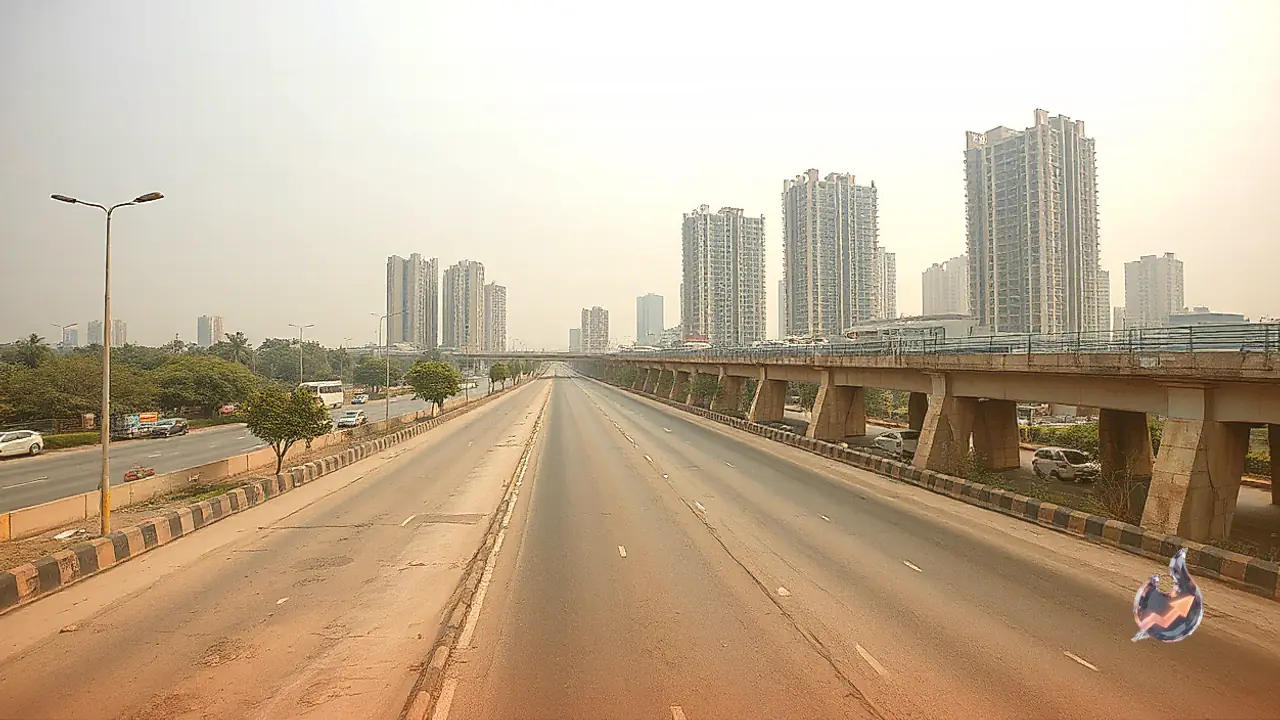
Turning his focus from regional politics to the environmental conditions in the national capital, Udit Raj launched a strong attack against the Bharatiya Janata Party over mounting atmospheric pollution. He observed that over the past 10 to 12 years, the party consistently evaded accountability by deflecting blame onto the municipal corporation or regional authorities.
He highlighted that single-party authority now prevails across the central government, the regional administrative apparatus, and the municipal body. Despite this unified jurisdictional control, the city's air quality index has already climbed to alarming levels ahead of peak winter conditions. He questioned why comprehensive preventive mechanisms have not been deployed when jurisdictional friction can no longer be used as an excuse.
Governance Capability and Bold Timelines
Drawing on public remarks previously made by Rahul Gandhi, Udit Raj argued that the ruling establishment relies heavily on unsubstantiated rhetoric rather than delivering tangible administrative remedies to pressing public crises. He asserted that the administration lacks the capability to resolve fundamental structural problems facing the country and its capital.
Presenting an ambitious counter-narrative, Udit Raj declared that if administrative responsibility for the capital were entrusted to the Congress, the party possesses the necessary vision to bring the pollution emergency under control within a strict window of 24, 48, or 72 hours. He emphasized that resolving deep-rooted civic issues requires decisive political resolve rather than continuous evasion of responsibility.