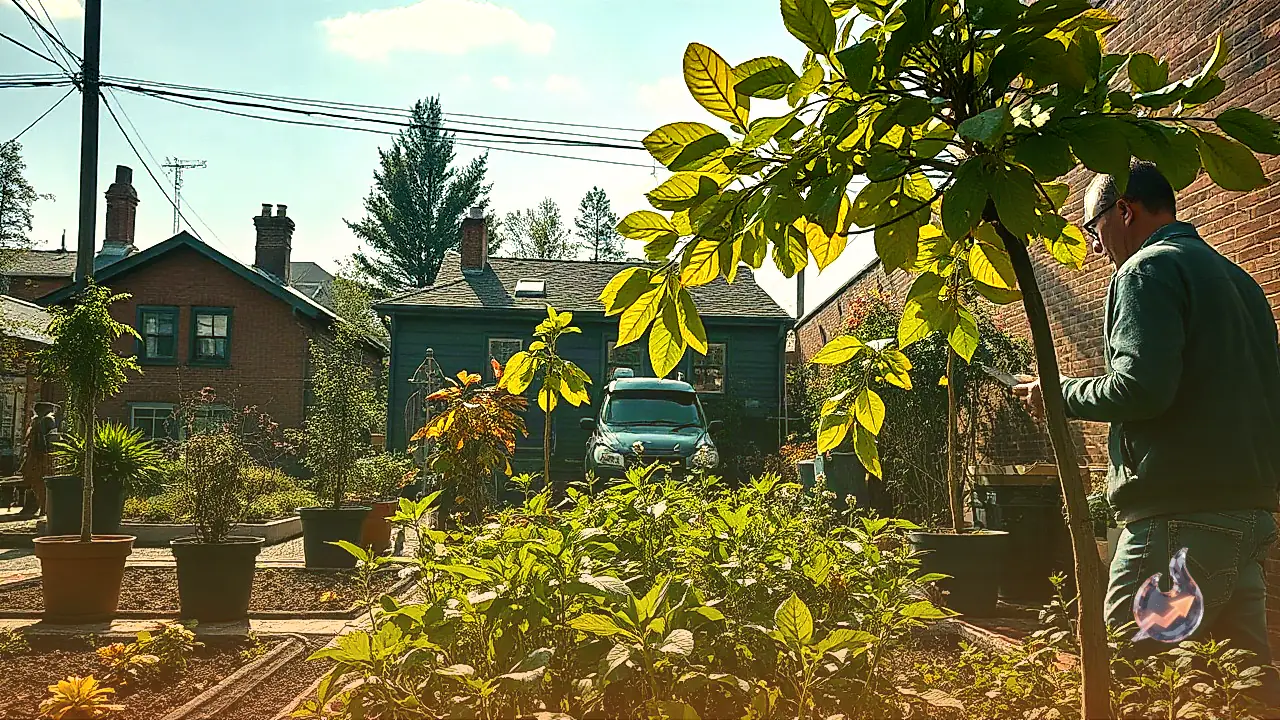







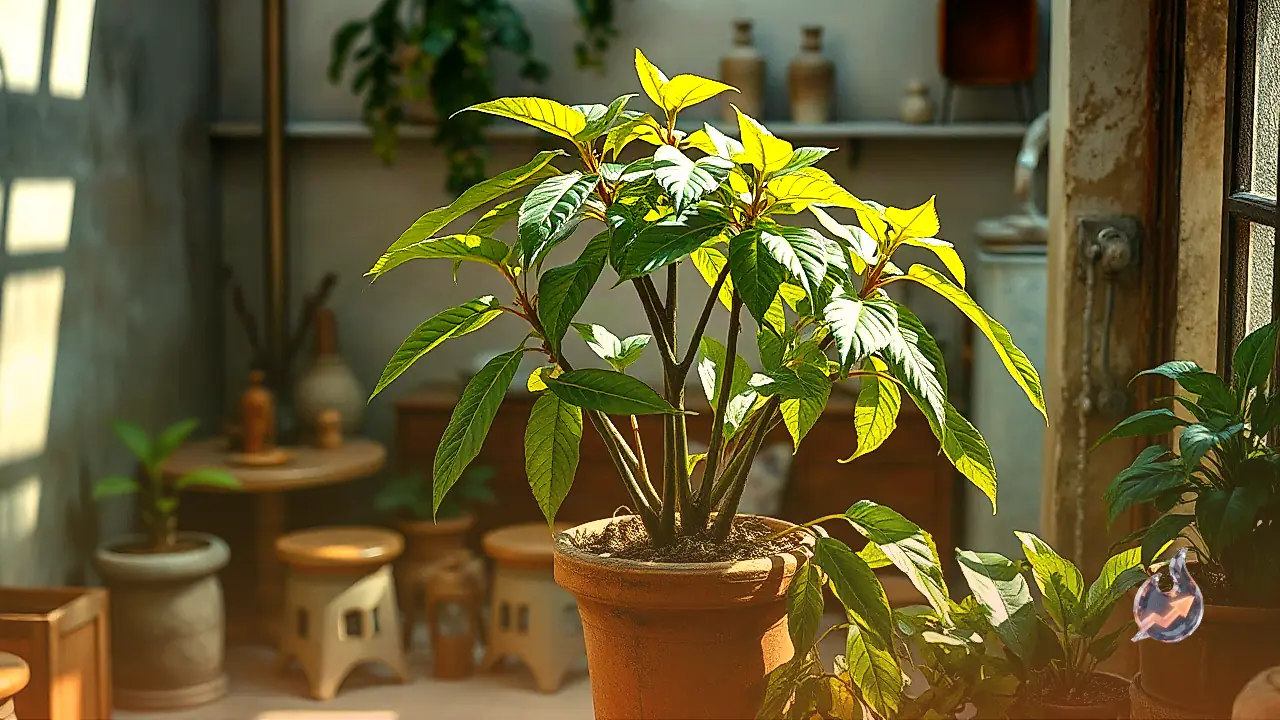















Maintaining a vibrant curry leaf plant at home often presents unexpected challenges for home gardeners. Many people notice their plant suddenly dropping leaves, turning yellow, or refusing to sprout fresh shoots. In panic, owners frequently flood the container with excess water or apply heavy chemical fertilizers, which worsens root stress instead of fixing the issue. Keeping this popular kitchen herb flourishing does not require complicated routines, but it does demand a firm understanding of basic environmental conditions, proper moisture levels, and scheduled pruning practices.
Managing Sunlight and Ideal Temperature Ranges
Sunlight plays a fundamental role in driving healthy foliage growth, yet exposure to harsh weather conditions can easily damage delicate leaves. Gardening expert Tarun Chopra emphasizes that curry leaf plants thrive best when kept within a temperature range of 15°C to 35°C. During peak winter months, colder temperatures cause the plant to enter a dormant state, significantly slowing down its overall progress. Conversely, intense summer warmth can burn the foliage if left unprotected under a burning sun.
To strike the right balance, position your potted plant where it receives approximately 2 to 3 hours of soft morning or late afternoon sunlight each day. Shading the plant or moving it away from strong midday rays prevents thermal burn while ensuring it absorbs sufficient light to support photosynthesis and produce fresh green leaves.
Balancing Moisture and Ensuring Proper Pot Drainage
Curry leaf plants require consistent moisture in the root zone, but soggy, waterlogged soil can prove fatal. Overwatering deprives roots of essential oxygen and creates an ideal environment for destructive root rot. To maintain safe moisture levels without drowning the roots, mixing coco peat and organic vermicompost into the potting soil creates a porous structure that retains adequate hydration while letting excess water drain away easily.
In addition to optimizing the soil blend, verify that the bottom of the container features a functional drainage hole. Excess water must drain freely after every watering session. Home gardeners should exercise extra caution during the monsoon months, ensuring rain water does not collect at the base and stagnate inside the pot.
Pruning Techniques to Promote a Bushier Growth Pattern
When left untrimmed, a curry leaf plant tends to grow upward as a single thin stem rather than developing a full, bushy shape. If your plant appears leggy and lacks side branches, regular trimming offers an effective solution. Cutting or pinching off the topmost tip of the main stem disrupts vertical dominance and encourages dormant buds lower down to sprout new side shoots.
By repeatedly trimming the tips over time, the plant expands horizontally, giving rise to numerous fresh branches and creating a much dense canopy of aromatic foliage.
Seasonal Feeding Schedule and Pest Protection
Proper nutrient management follows a clear seasonal pattern. Expert Tarun Chopra recommends applying balanced fertilizer once every two months, starting after February and continuing through November. Feeding should be stopped entirely between November and February, as the plant rests during these colder months and cannot effectively absorb nutrients. Adding a small measure of anti-fungal powder directly into the soil protects the root network from fungal infections.
If leaves continue to dry or fall unexpectedly, inspect the undersides of foliage and tender shoots for insect infestations. Because curry leaves are routinely harvested for cooking, synthetic chemical insecticides should be avoided entirely. Spraying a natural mixture of neem oil diluted in clean water offers a safe and highly effective organic barrier against common pests.