























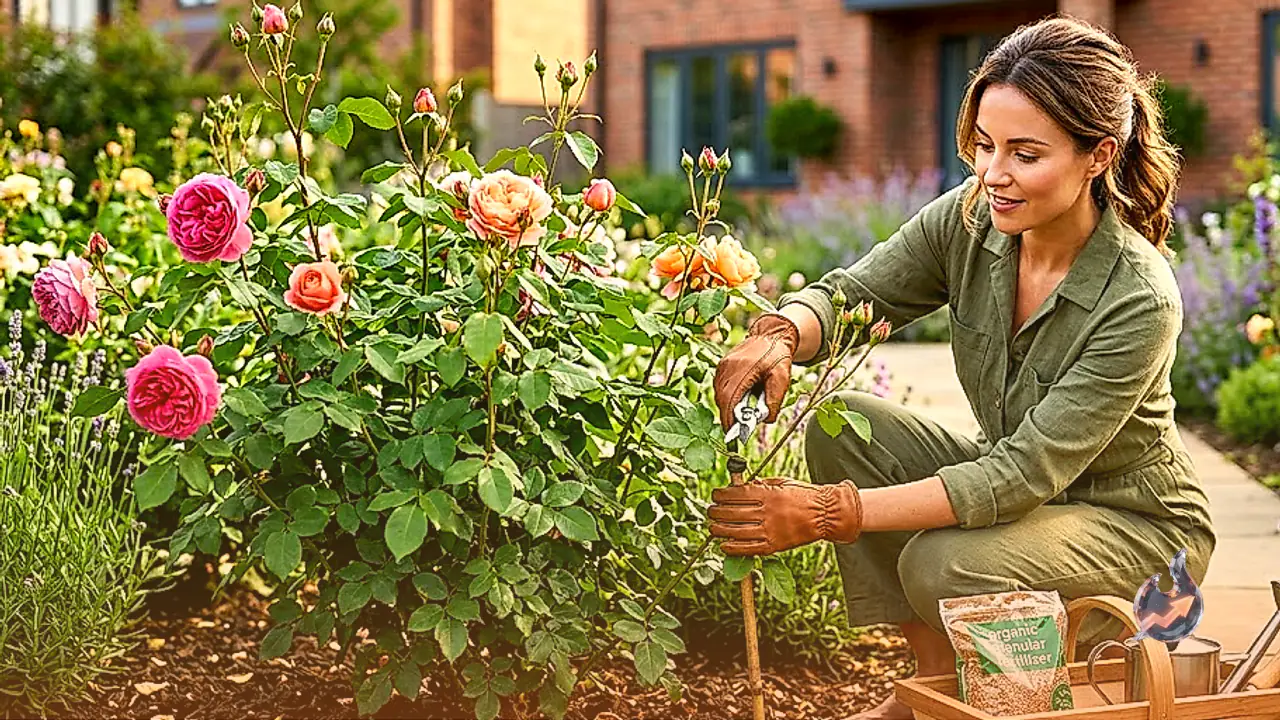

A rose plant adds immense beauty to any home balcony or garden when it bursts into a cluster of vibrant blossoms, yet many gardeners face a common issue where lush green foliage fails to produce adequate flowers. Instead of frequently switching fertilizers or overwatering the soil, the root cause often lies in basic plant maintenance. Roses require proper sunlight, precise moisture control, balanced nutrients, and timely pruning to achieve their full flowering potential.
The encouraging part is that achieving this abundance does not require expensive commercial products. Everyday household items and simple organic methods can significantly improve plant growth when applied correctly with a bit of patience. Understanding what the plant needs at each stage ensures healthy development and a continuous supply of fresh rose buds.
Ensuring Adequate Sunlight Exposure
Rose plants thrive when they receive generous amounts of natural sunlight daily. If a pot is placed in a heavily shaded spot where direct rays rarely reach, the leaves might grow larger, but flower production will suffer significantly. Gardeners should position the plant so it gets roughly five to six hours of direct sunlight every day. During extremely harsh summer afternoons, however, providing temporary shade can protect the foliage from getting scorched.
Watering Based on Actual Needs
A common misconception is that pouring excess water every day will force a rose plant to yield more flowers. In reality, keeping the soil soggy continuously damages the root system and prevents proper aeration. Water should be applied thoroughly only when the top layer of soil feels slightly dry to the touch. Additionally, pots must feature proper drainage holes at the bottom to let surplus water drain away smoothly.
Providing Balanced Nutrition
Flowering plants demand adequate nourishment during their active growth phase. Small amounts of aged organic manure or well-rotted compost can be safely mixed into the soil. Organic alternatives such as homemade banana peel fertilizers are also widely used by enthusiasts, but over-fertilizing can harm the plant. If the plant produces rapid leaf growth with very few flowers, high-nitrogen fertilizers should be avoided in favor of a balanced nutrient mix.
Removing Faded Blooms Regularly
A simple yet effective technique to encourage more roses is deadheading, which means regularly cutting away old and withered flowers. Instead of simply pulling them off by hand, using a clean and sharp pair of pruning shears to cut the stem at the proper node directs the plant's energy toward fresh bud development rather than seed formation.
Pruning and Soil Maintenance
Pruning away old, weak, and inward-growing branches improves air circulation throughout the plant canopy and stimulates vigorous new shoots. However, cutting away too much foliage at once should be avoided. The potting soil for roses must remain porous and well-drained so oxygen reaches the roots easily. If the topsoil becomes hard and compacted, gently loosening the surface layer helps maintain optimal soil quality and aeration over time.