























In an era where quick-commerce platforms have become an integral part of daily urban life, the physical safety of consumers receiving doorstep deliveries has come under intense scrutiny once again. A female customer has raised severe allegations of harassment and boundary violation against a delivery executive working for the quick-commerce platform Zepto. The incident sparked widespread concern and heated public debate across social media after the woman posted a detailed video explaining her ordeal on Instagram, highlighting the risks faced by residents receiving solo home deliveries.
How the Incident Unfolded at the Customer's Doorstep
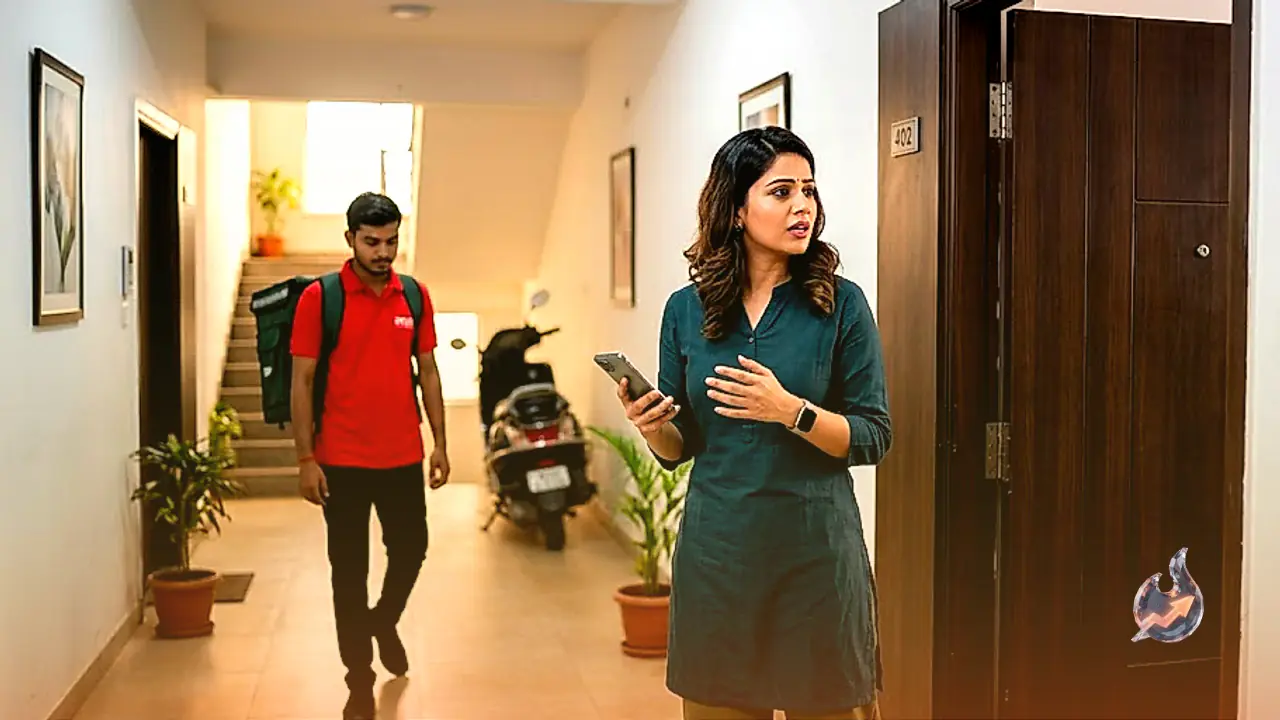
According to the affected customer, the troubling encounter began immediately after the Zepto delivery partner arrived at her residence to hand over a routine order. Upon completing the delivery of the items, the delivery agent asked the customer for drinking water. Expressing basic courtesy, the woman handed him a bottle of water and explicitly informed him that he was welcome to take the bottle along with him.
However, the situation quickly escalated after the delivery agent finished the water. Instead of taking his leave, he requested water a second time. Shortly thereafter, he began repeatedly pressing the woman to allow him inside her apartment for 5 minutes, insisting on gaining access to the interior of her home.
Refusal, Persistent Bell Ringing, and Aggressive Door Banging
Recognizing the inappropriate nature of the request, the woman firmly denied him entry. She clearly pointed out that if he needed a place to rest or sit down, there was ample open space available outside the apartment in the building corridor. Despite her explicit refusal, the delivery partner refused to depart and persisted with his insistence to come inside.
As the uncomfortable encounter unfolded, the woman attempted to end the conversation and pull her main entrance gate shut. The delivery executive, however, resisted her attempt to close the door. He repeatedly rang the doorbell, continuing to plead for permission to enter the residential space for just a few minutes. Terrified by his stubborn behavior and refusal to leave, the woman managed to shut the main door and lock it securely from the inside. She alleged that upon being locked out, the delivery executive began banging violently on the entrance gate, leaving her deeply alarmed for her safety.
Flaws in App Safety Response and Automated Customer Support
Following the harrowing experience, the customer sought swift action and accountability by reporting the safety breach through the official Zepto application, while simultaneously publishing video evidence on Instagram to alert the public. She voiced intense frustration over the platform's handling of active safety complaints.
The woman claimed that her attempt to report the distress event through the app yielded nothing more than a generic, automated system text. The response merely stated that the matter was currently under investigation, offering no immediate human helpline, escalation, or physical reassurance. The incident has drawn attention to the shortcomings of quick-commerce platforms in providing real-time support during active safety emergencies.
Public Outrage and Demands for Rigorous Background Vetting
The viral video triggered a wave of indignation online, with thousands of users expressing alarm over the vulnerability of individuals, particularly women living alone, when dealing with doorstep delivery agents. Netizens emphasized that delivery companies must enforce much stricter onboarding protocols before sending workers directly to customers' doorsteps.
Social media users urged quick-commerce firms to institute mandatory multi-step verification procedures. Key recommendations included thorough criminal background history checks, physical verification of residential addresses, and certified medical evaluations. Commentators argued that enforcing stringent onboarding criteria is essential to guaranteeing consumer safety and preventing potential misconduct.
Crucial Doorstep Safety Guidelines for Consumers
In response to the viral incident, consumer safety advocates and online users shared practical advisory steps for households relying on doorstep delivery services. Citizens were advised to maintain strict boundaries and refrain from engaging in unnecessary conversations with delivery personnel.
Safety experts recommended utilizing contactless delivery options whenever available or requesting agents to drop packages outside the gate or entryway. When receiving handovers directly, residents are urged to collect their parcels swiftly and secure their main entrance immediately without keeping doors open during interactions.