






















Actor Rohit Roy, who established himself as a prominent face on Indian television during the 1990s, has ignited a fierce debate within the entertainment industry with his latest candid remarks. Despite gaining widespread fame and building his career through the small screen, the actor has labeled television a temporary and disposable medium, while comparing television artists unfavorably with Bollywood film stars. His statements have brought the long-standing conversation about the apparent hierarchy and discrimination between different acting mediums back into the spotlight.
Over the years, television has been a launchpad for many actors who later transitioned into cinema. However, the distinction in status has remained a sensitive topic. Rohit Roy, known to many for playing iconic characters like Mr. Bajaj in Kasautii Zindagii Kay, has addressed these industry dynamics head-on, triggering strong reactions from both fans and television professionals who feel his critique is overly harsh.
The Disparity in Elegance and Public Presence
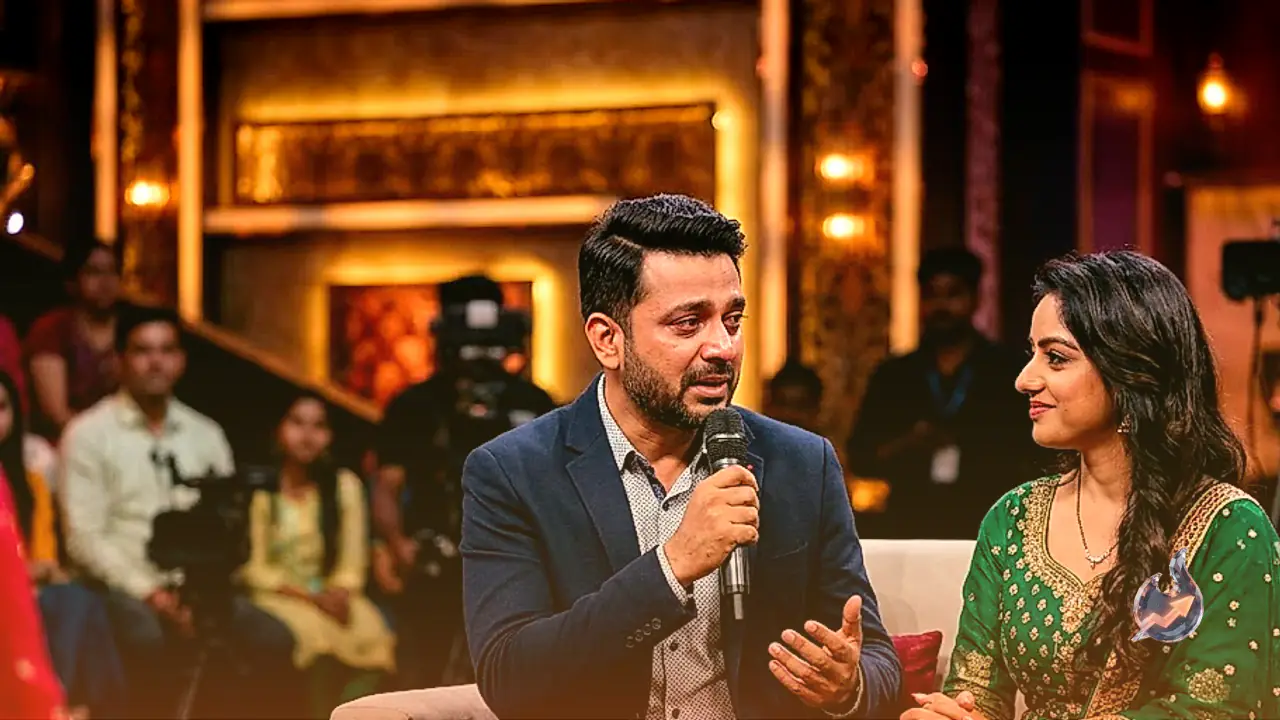
In a detailed discussion on the YouTube channel Kindly Cast, Rohit Roy was asked about the rigid hierarchy that places movie stars above television actors in India. Answering the question without holding back, he expressed his belief that television artists lack the distinct class and grace that their film counterparts naturally exhibit. He emphasized that the gap is not just in their professional work but in how they present themselves to the public.
He described how film stars carry an aura of sophistication and style whenever they appear in public spaces. According to him, their exits and entries are characterized by an effortless cool and a dignified composure that leaves a memorable impression. In contrast, he urged people to look at any collective gathering of television actors, claiming that the difference in their behavior, posture, and social conduct is immediate and undeniable, pointing to a lack of refined presentation among TV professionals.
A Strong Stance Against Paparazzi Antics and Social Media Culture
The actor did not limit his criticism to traditional behavior, taking aim at the modern paparazzi culture and social media trends that dominate today's entertainment landscape. He criticized TV actors for their styling choices and their desperate attempts to catch the attention of photographers. He argued that performing bizarre or theatrical stunts in front of cameras for instant social media views does not translate into genuine stardom or professional respect.
Highlighting the rise of internet sensations, he brought up an unnamed female creator who has achieved massive fame on social media platforms, primarily for wearing highly revealing clothing. He questioned the necessity of presenting oneself in such a manner, stating that it degrades the artist's standing. While viewers might consume such content for a passing moment of amusement, he emphasized that they never truly respect or look up to such individuals in their hearts, as true admiration cannot be built on fleeting viral trends.
Why Television is Viewed as a Disposable Medium
When asked if his comments were endorsing the existing bias against the television fraternity, Rohit Roy remained firm in his opinion. He argued that cinema is fundamentally superior to television due to its longevity and artistic value. He went on to describe television as a disposable medium, comparing its fast-paced nature to a wastebin, where content is consumed and quickly forgotten. He contrastingly noted that legendary films like Sholay, Deewar, and Gone with the Wind are remembered and celebrated across generations.
He pointed out that while television has produced several monumental, path-breaking shows over the decades, most of them have faded from the collective memory of the audience. Explaining his perspective, he said: "Cinema is cinema. It is made for future generations and is always remembered." Despite his harsh assessment, he expressed gratitude that clips of his own breakthrough Doordarshan serial, Swabhimaan, still find space on modern social media platforms, giving him a sense of appreciation.
The Step-Motherly Treatment and Lack of Stardom
Drawing from his own decades-long experience, Rohit Roy admitted that the television community has always struggled with a lack of industry recognition. He confirmed that TV actors have traditionally been treated as second-class citizens within the broader entertainment ecosystem, receiving step-motherly treatment from production houses and casting directors. He suggested that because television actors are visible in people's living rooms every day, they lose the sense of mystery and exclusivity that movie stars preserve.
However, he threw a silver lining into his critique, stating that exceptionally talented television actors do receive respect for their craft, even if they are denied the massive, larger-than-life stardom reserved for film stars. According to him, while respect for individual talent exists, the structural disparity in status remains a hard reality of the business.
Tracing Rohit Roy's Television and Film Legacy
Rohit Roy's journey in the entertainment industry began in the mid-1990s when he landed a lead role in Doordarshan's cult daily drama Swabhimaan, which catapulted him to instant fame. He went on to become one of the most prominent faces on the small screen, starring in a series of highly successful television dramas such as Kusum, Bhabhi, and Des Mein Niklla Hoga Chand. These projects cemented his reputation as a versatile lead actor.
Seeking to expand his horizons, he eventually transitioned to Bollywood, securing roles in several high-profile films. His cinematic portfolio includes notable performances in movies like Kaatil, Fashion, and Shootout at Lokhandwala, allowing him to experience both worlds of Indian entertainment firsthand. This dual exposure is what informs his strong, controversial opinions on the stark differences between the two mediums today.