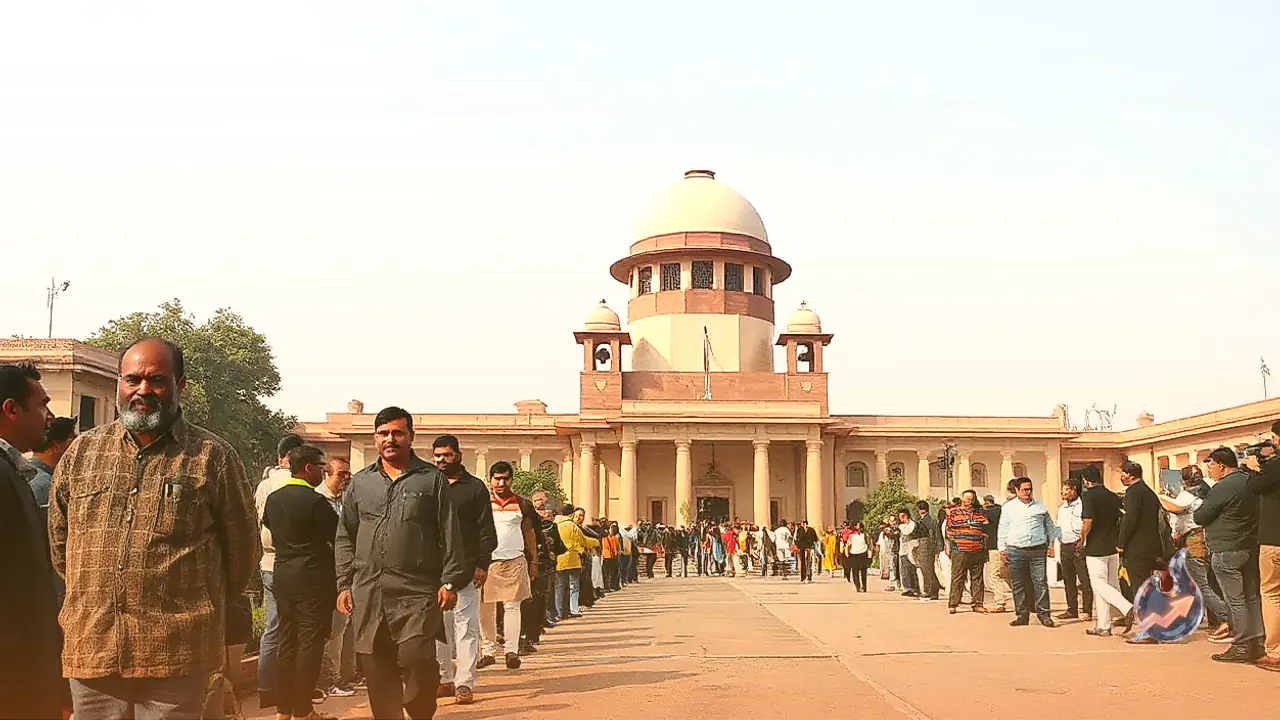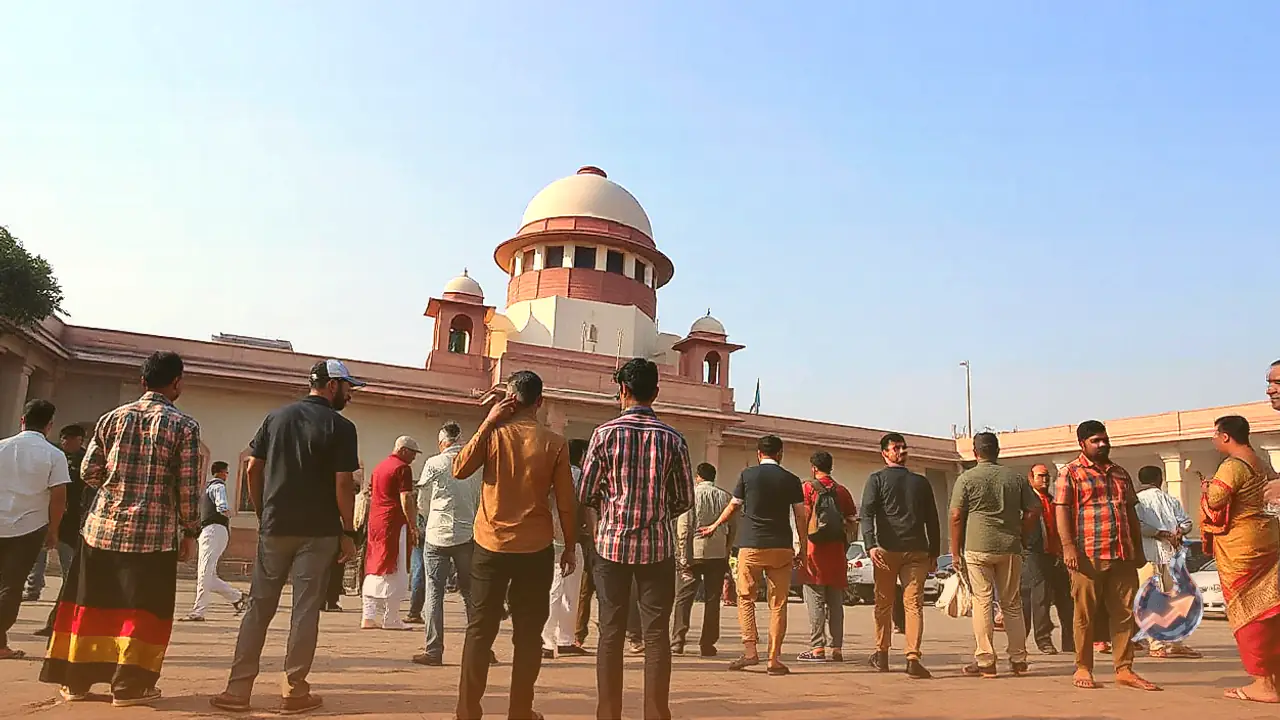

The Supreme Court has dismissed a public interest litigation that sought directions to fix house number discrepancies found within the voter lists of municipal bodies across Uttar Pradesh. The petition had alleged that while the numbers allocated to various houses had undergone changes, these alterations were never accurately reflected or updated inside the official electoral rolls. Furthermore, the petitioner had urged the judiciary to direct authorities to harmonize the municipal voter registries so they align seamlessly with the electoral rolls utilized during general parliamentary and state legislative assembly elections.
Approaching the Competent Authority is Essential: Court
During the proceedings, Justice Joymalya Bagchi explicitly noted that the prerogative to get any specific entry corrected within an electoral roll is strictly an individual right belonging to the respective voter. Such administrative matters cannot routinely be brought forward collectively through a public interest litigation. The bench remarked that the petitioners chose to file the matter as a PIL, whereas the right to seek corrections in a voter list remains personal to the citizen. Municipal electoral rolls operate under their own distinct set of regulatory frameworks, meaning the individuals aggrieved by such discrepancies must approach the competent authority directly for relief.
Broader Issues Require Statewide Scope
The court further observed that if a systemic issue of this nature manifests collectively across the entire state, it could potentially be raised on a broader administrative scale. Nevertheless, individual voters must still reach out independently to their respective local election officials to get errors in their specific rolls rectified. The Supreme Court clarified that individual voters retain the legal option to approach judicial forums on their own accord if specific grievances regarding their electoral entries remain unresolved at the administrative level.