






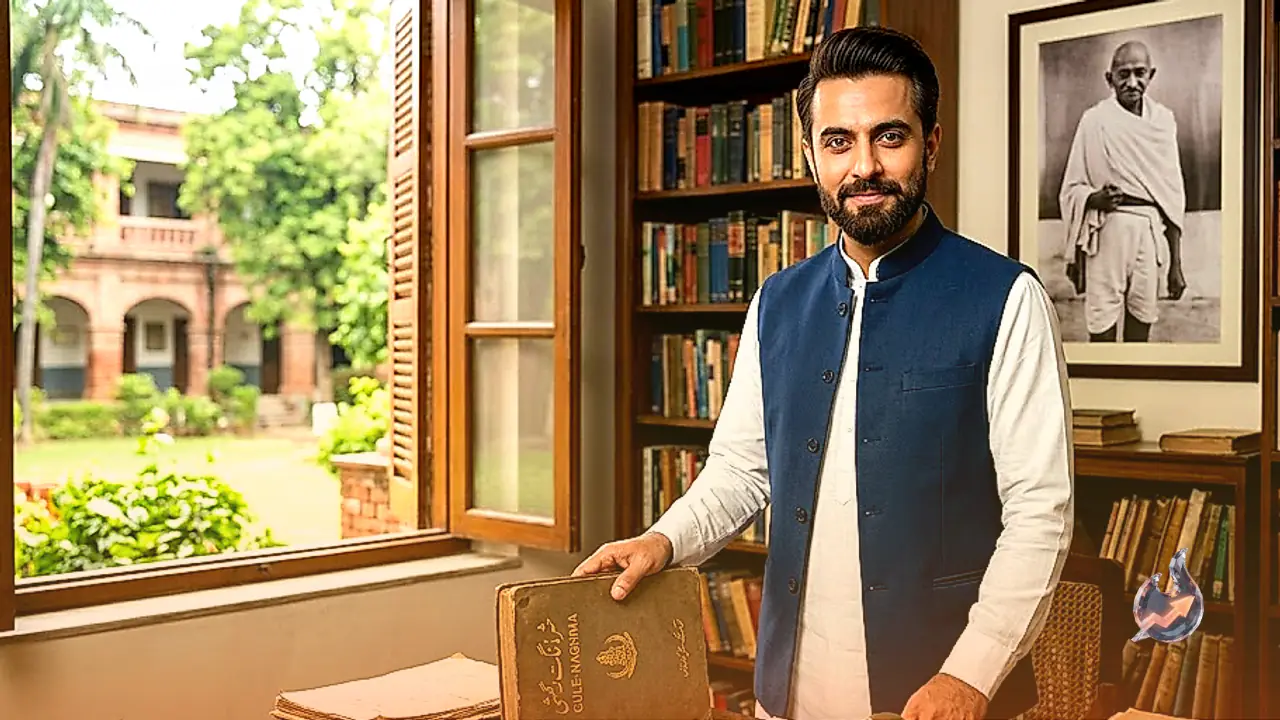
















The history of Amethi in Uttar Pradesh is not merely defined by the grandeur of its royalty, but also by the fascinating events and figures that shaped its destiny. Beyond the royal lineage, several notable individuals played a crucial role in defending the integrity of this estate. Among these figures stands Motilal Nehru, the father of Jawaharlal Nehru, who served as a legal advocate for the Amethi royal family during a tumultuous era. His intervention remains a celebrated chapter in local history, one that continues to evoke a deep sense of pride among the residents of the region.
The Seizure of Property and Nehru’s Intervention
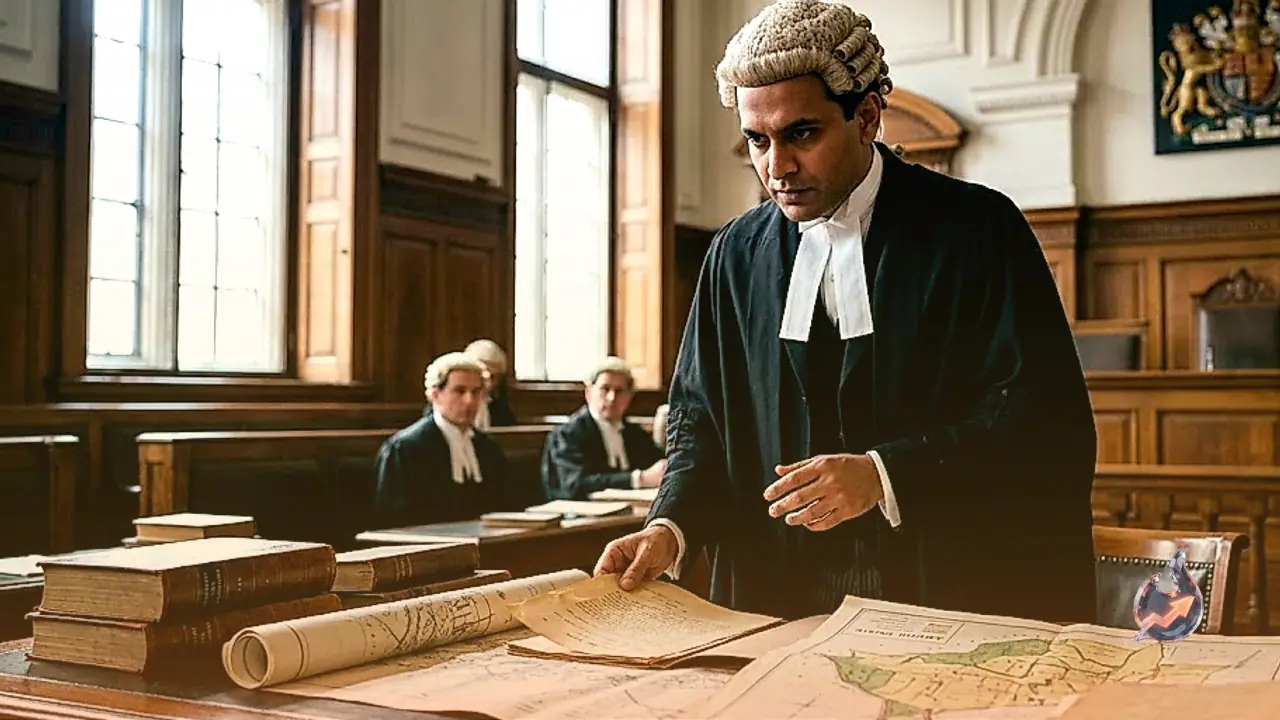
According to Govind Singh, an expert on local history and a senior resident of Amethi, the British administration enforced a strict and draconian policy during the colonial period. Under this rule, if a king died without a direct heir, the state government would automatically seize the entirety of the royal property and assets. When the Amethi estate faced this existential threat due to the lack of an heir, the royal administration found itself in a precarious position. Raja Rananjay Singh and his predecessors turned to Motilal Nehru, appointing him to represent their interests legally. Demonstrating immense skill, Nehru challenged the British authorities, even taking the litigation to the courts in London. Through his efforts, he successfully navigated the complex legal framework of the time to get the confiscated property released.
Lingering Legends and Historical Influence
Alongside this established history, various anecdotes and beliefs have circulated within the local community regarding the influence of the Amethi estate. Govind Singh noted that many people believe that the iconic Anand Bhawan in Prayagraj was constructed with funds sourced from the Amethi royal treasury. While such narratives exist in local discussions, they are not recorded in official documents. Nevertheless, the legacy of the Amethi estate remains etched in the historical landscape, reflecting a time of significant power and prestige that continues to be a point of cultural interest.