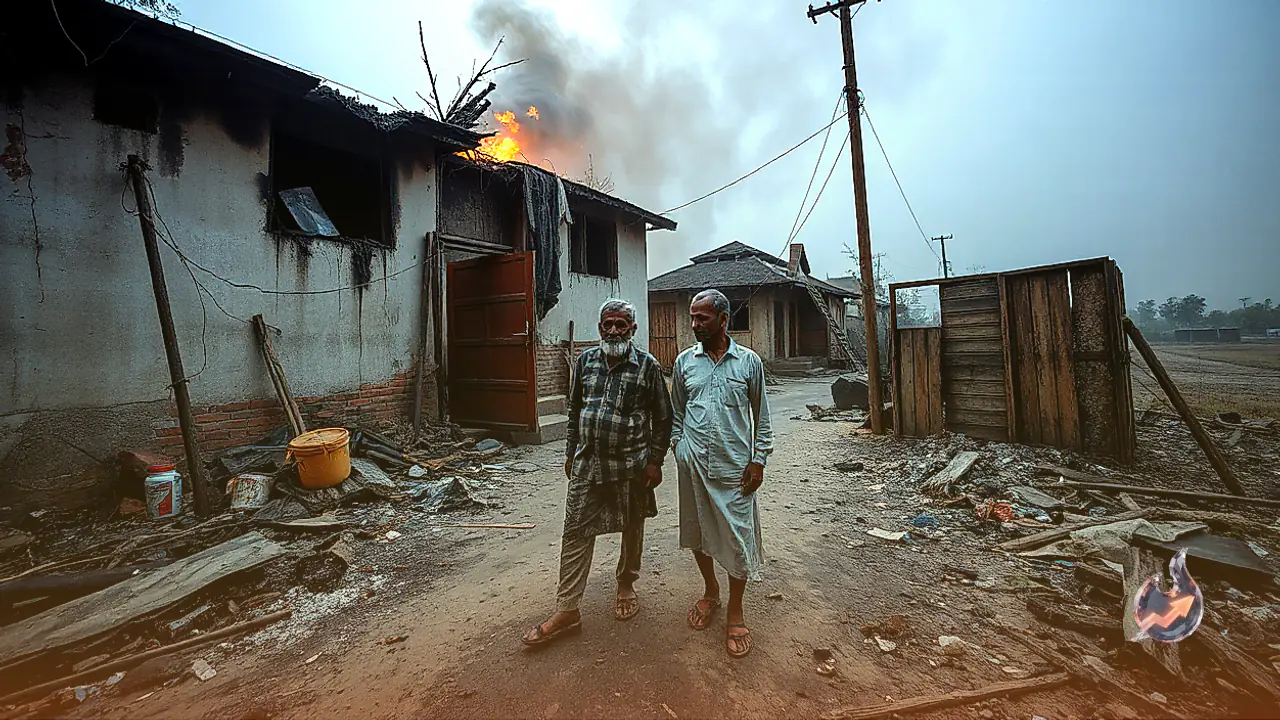





















Lucknow: In a major move providing significant relief to farmers and families affected by natural calamities, the government of Uttar Pradesh has substantially revised its disaster relief norms. Under the updated framework, the financial assistance provided to the families of individuals who lose their lives in natural disasters has been doubled. Earlier, the families received 4 lakh rupees, which has now been increased to 8 lakh rupees, offering a much stronger safety net to grieving households.
Major Boost in Compensation for Farmers
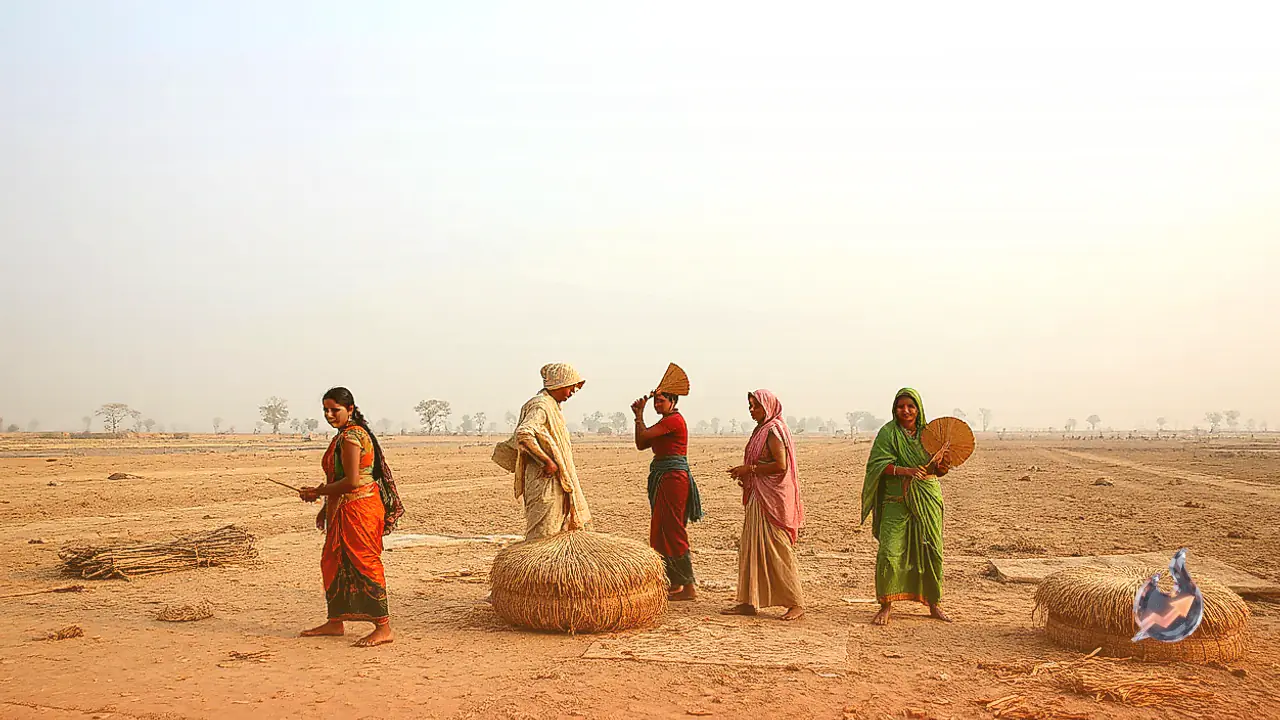
The revision in disaster relief standards brings direct benefits to the agrarian community across the state. The Yogi Adityanath government has raised the compensation for crop damage by 25 to 30 percent. More than 10 lakh farmers across the state will benefit from this enhanced financial assistance. The revised aid covers losses incurred between April 1 and November 4, 2026. These new standards have been implemented under the framework of the State Disaster Response Fund and the National Disaster Response Fund.
Increased Support for Livestock and Poultry Owners
Alongside crops, assistance for the loss of livestock has also been scaled up significantly. The financial aid for the death of large animals during disasters has been raised from 40,000 rupees to 50,000 rupees. For smaller animals such as goats, sheep, and pigs, the compensation has been increased from 4,000 rupees to 5,500 rupees. For pack animals like horses and mules, the aid has been hiked from 20,000 rupees to 25,400 rupees, while poultry farmers will now receive 130 rupees per bird instead of 100 rupees.
Revised Standards for Various Crops and Agricultural Lands
Agricultural and horticultural compensation rates have also been restructured. Farmers in irrigated areas will now receive 22,000 rupees perhectare instead of 17,000 rupees for crop losses. In rain-fed areas, the compensation has been raised from 8,500 rupees to 11,000 rupees per hectare. For perennial crops and agroforestry, the aid has been increased from 22,500 rupees to 30,000 rupees per hectare.
Support for Sericulture and Land Reclamation
Assistance for those engaged in silk production has also seen an upward revision. Relief for Eri, mulberry, and tasar silk production has been raised from 6,000 rupees to 7,800 rupees per hectare, while Muga silk production aid goes from 7,500 rupees to 9,800 rupees per hectare. Furthermore, financial assistance for removing silt from agricultural land has been increased from 18,000 rupees to 23,000 rupees per hectare. Land damage caused by landslides and avalanches will now receive 60,000 rupees per hectare instead of 47,000 rupees. Affected families will also receive support in relief camps for up to 30 days, alongside drinking water provisions for up to 90 days during drought conditions.
Standards for Repairing Houses, Schools, and Infrastructure
New relief standards have also been established for the repair of houses and public infrastructure. Fully damaged houses in plain areas will receive 1.85 lakh rupees, while those in hilly regions will get 2.06 lakh rupees. Partially damaged houses in plain areas will receive 93,000 rupees in assistance. Additionally, primary schools can receive up to 15.50 lakh rupees for repairs, while secondary schools, inter colleges, and polytechnics have a provision of up to 26 lakh rupees. Previously, discussions highlighted how farmers in Jewar engaged with the administration regarding land acquisition, while the administration continues to roll out major policy announcements aimed at rural and agricultural welfare across the state.