
Jim Corbett National Park features the renowned Dhikala Zone, an area celebrated across the country for its thriving tiger population. The region captivates visitors by offering a chance to observe majestic tigers within their natural habitat, surrounded by dense woodlands and sprawling grasslands. Wildlife enthusiasts from India and around the globe consistently demand visits to this prime location, though catching a glimpse of a tiger ultimately depends on the animals' natural movements and daily routines.
Safaris serve as the primary attraction for tourists exploring the Dhikala Zone. Alongside standard safaris, designated canters allow multiple visitors to tour the wilderness together at the same time. The journey takes travelers through dense sal forests, towering trees, vast grassy plains, and bustling wildlife activity. Navigating the rough dirt tracks while searching for wild animals provides an exceptionally thrilling experience for everyone on board.
The appeal of the Dhikala Zone extends well beyond tigers and elephants. Visitors also gain opportunities to spot the rare hog deer, a species that prefers living primarily in open grasslands. Owing to its distinct physical build and natural behavior, this unique creature continuously draws the attention of passionate wildlife observers, establishing Dhikala as a remarkably diverse ecological destination.
The exciting journey into Dhikala officially commences at the Dhangadi Gate. Moving past this entry point immediately exposes travelers to thick sal forests, lush green foliage, expansive meadows, and winding streams. The pathway cutting straight through the forest offers an intimate opportunity to experience raw nature up close, while the anticipation of spotting a wild animal around every single corner doubles the overall excitement.
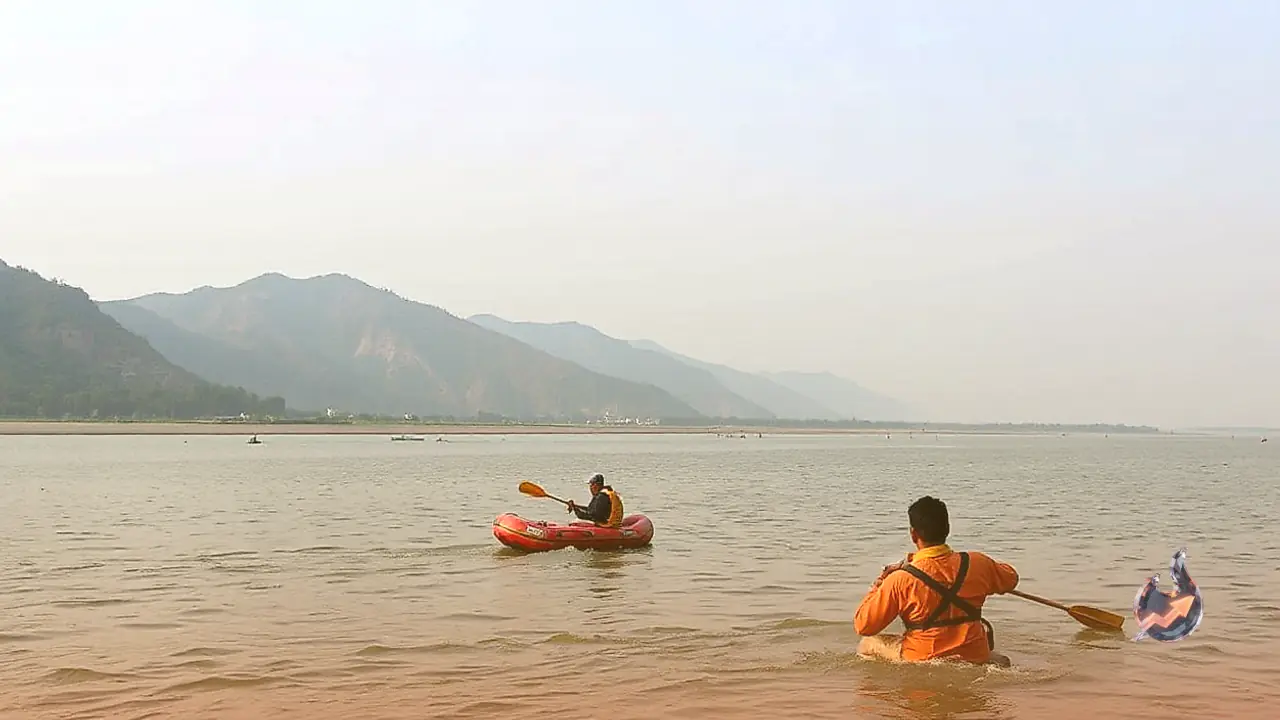
The location of the Dhikala Forest Rest House adds an extra layer of distinct beauty to the entire landscape. Situated along the edge of the Patli Dun valley, the lodge offers a breathtaking view of the Ram Ganga river. The presence of the Kanda Ridge in the background alongside surrounding greenery pulls visitors deep into nature's embrace, ensuring that the serene atmosphere transforms the trip into an unforgettable memory.
Furthermore, the Dhikala Forest Rest House holds a prominent place in history due to its rich heritage. The oldest section of this structure was originally constructed in the year 1890. Guests here encounter a fascinating blend of British-era architecture combined with modern amenities. Staying directly within the forest compound allows travelers to live intimately among nature and better understand the surrounding wildlife.
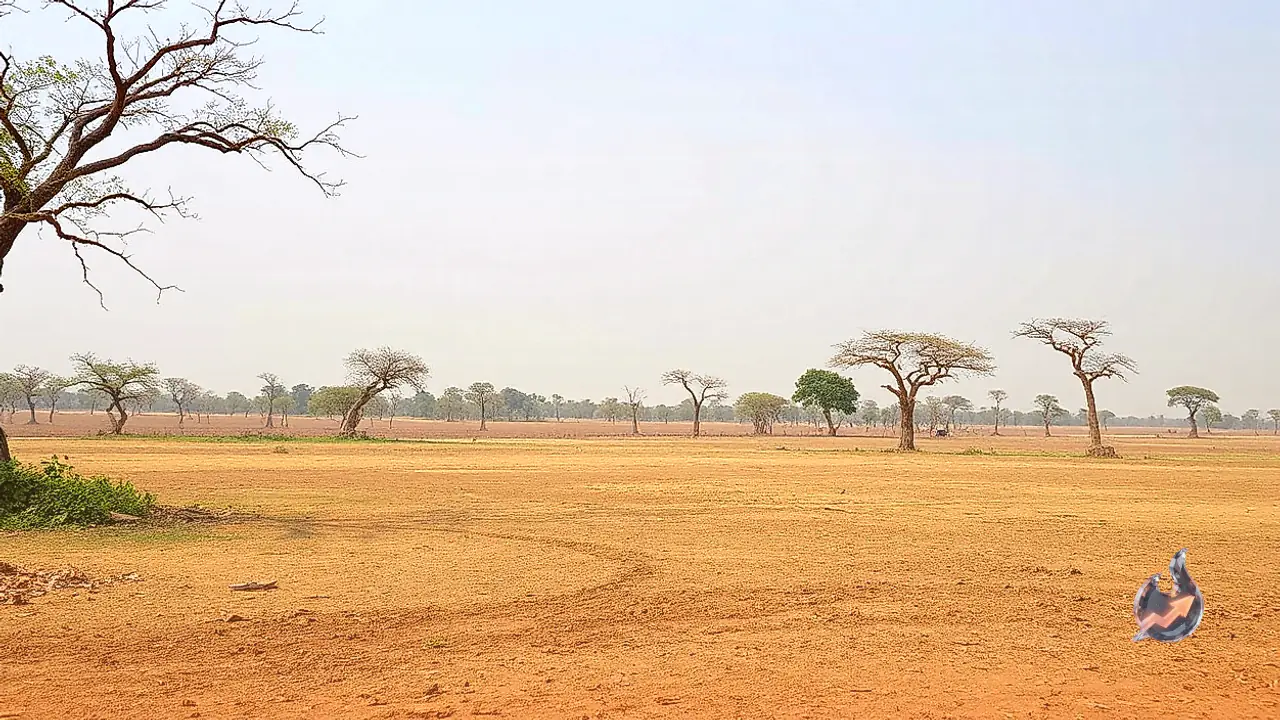
The Dhikala Chaur ranks firmly among the most picturesque locations within the entire sanctuary. Herds of elephants and spotted deer frequently roam across these vast, far-stretching grasslands. Watching wild animals wander freely across open fields delivers a genuinely mesmerizing sight for tourists. This pristine natural beauty alongside active wildlife populations also makes the region a haven for photography enthusiasts.
Beyond mere tourism, Dhikala holds immense significance within the history of wildlife conservation. When Project Tiger was officially launched in India in the year 1973, Corbett stood proudly among the primary foundational centers for this historic campaign. This deep connection to tiger conservation grants Dhikala a unique identity, allowing visiting tourists to appreciate natural beauty while simultaneously learning about vital preservation efforts.