
















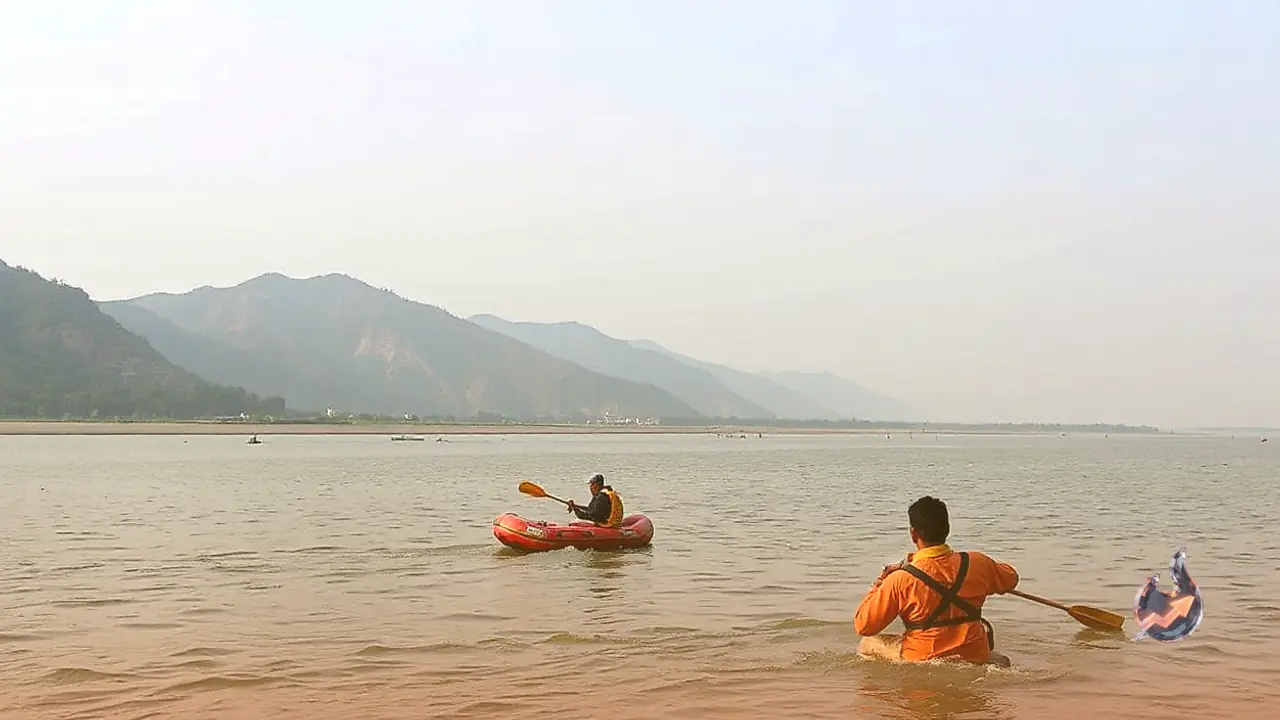

Mentioning Rishikesh instantly brings to mind scenic landscapes and the flowing currents of the Ganges. For adventure enthusiasts, this destination serves as a prominent hub for river rafting. Navigating through fast-flowing waters while occasionally diving into the river offers an unmatched thrill. The region features several routes with varying distances and adventure levels.
Popular Rafting Routes and Distances
The Ganges features several well-known rafting routes such as Brahmapuri, Shivpuri, Marine Drive, and Kaudiyala. Brahmapuri marks the starting point for the shortest route spanning roughly 9 kilometers. Meanwhile, the 16-kilometer Shivpuri route remains highly popular among visitors. Longer journeys include Marine Drive covering around 24 to 26 kilometers and Kaudiyala stretching approximately 35 to 36 kilometers, each offering unique river dynamics.
Pricing Structure Across Routes
Rafting costs depend entirely on the distance of the chosen path. Budget-friendly options begin at Brahmapuri, where prices start around 600 rupees per person. On the other hand, starting from Shivpuri costs roughly 1,000 rupees per person. Marine Drive requires about 1,500 rupees, while the extensive Kaudiyala route costs around 2,500 rupees per person. However, rates fluctuate during weekends, holidays, and peak tourist rushes.
Selecting Routes Based on Experience
First-time visitors planning a rafting trip find the Shivpuri route most suitable. This 16-kilometer stretch combines scenic views with manageable rapids. Conversely, individuals seeking intense adventure and longer durations opt for Marine Drive and Kaudiyala. These paths present stronger waves and larger rapids for seasoned participants.
Role of Guides and Safety Instructions
Instructors play the most critical role during the trip as they shoulder the responsibility of steering the raft and keeping everyone safe. Before embarking, guides explain how to properly wear life jackets and helmets. They also teach paddling techniques, recovery methods upon falling into the water, and compliance with instructions. Guides alert passengers beforehand whenever approaching major rapids.
Verifying Agency Credibility and Safety Measures
Checking the reliability of agencies and guides before booking is extremely important. Tourists should only book through organizations holding valid permits issued by the tourism department. Additionally, verifying the guide's license and identification card is essential. Checking whether equipment like life jackets and helmets are of good quality, alongside inquiring about first aid and insurance, prevents mishaps.
Essential Precautions During Rafting
Following specific precautions during the journey is vital. Never ignore instructor commands or jump into the water without authorization. Participants must keep their life jackets and helmets fastened at all times. Avoiding alcohol consumption before the trip is mandatory, and panicking or standing up amidst strong currents must be avoided. Jostling inside the raft or disturbing someone's balance can prove dangerous.
Best Time of Year for Rafting
November is considered an excellent month for river rafting in the region. Post-monsoon water levels normalize and weather remains pleasant, allowing visitors to enjoy the activity comfortably. Typically, the season runs from September 15 to June 15. Large crowds arrive between October and November as well as March through May. Meanwhile, operations remain suspended in July and August due to monsoon conditions.