























Commuters traveling along the heavily congested route between Dehradun and Haridwar are set to experience smoother, faster, and significantly safer journeys in the near future. Concrete measures are underway to eliminate persistent gridlocks and drastically reduce accidents on this vital national highway artery. A comprehensive infrastructure initiative worth 320 crore rupees has begun on the ground to overhaul the 36-kilometer highway stretch and bring safety standards up to international benchmarks. Project guidelines mandate the complete execution of all planned works within the next two years. Once completed, this multi-faceted upgrade will not only cut travel times between the two major cities but also minimize vehicular collision risks across critical bottlenecks.
Utility Relocation Picks Up Momentum as Weather Clears
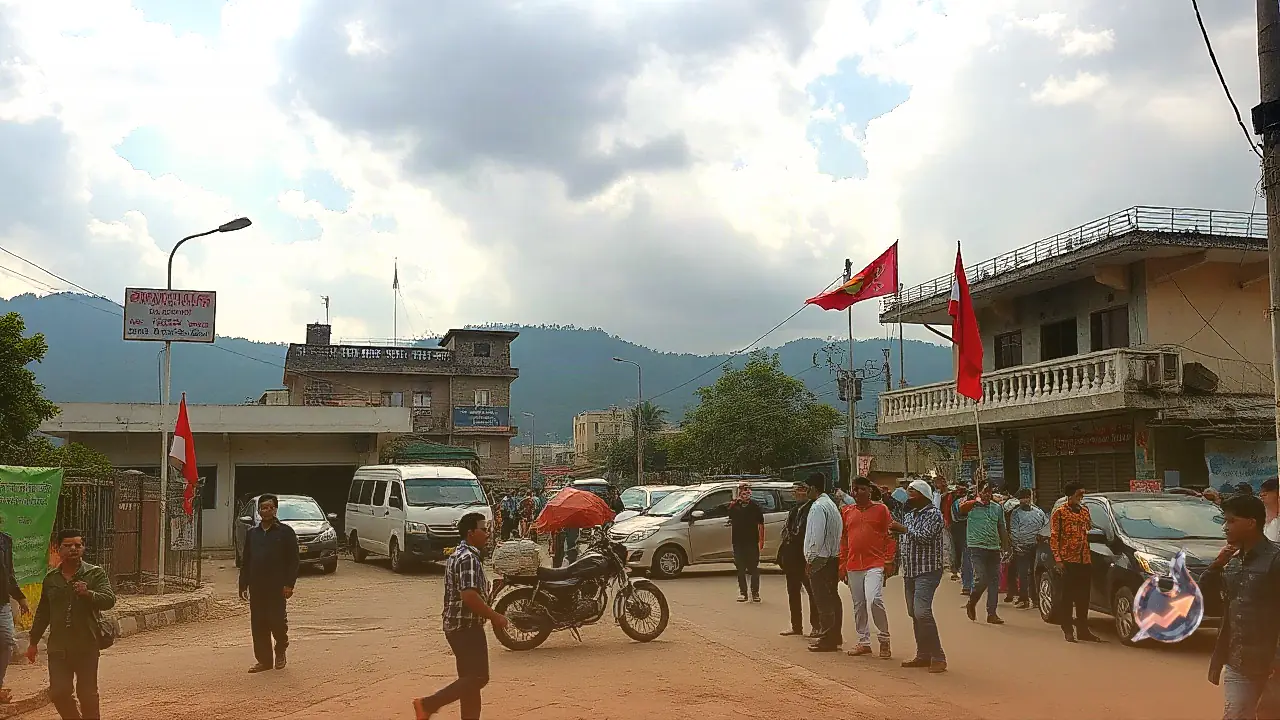
Prolonged spells of continuous rain in recent weeks had temporarily slowed down physical construction activities along the corridor. With the weather clearing and rainfall subsiding, a focused blueprint has been activated to accelerate ground operations at full scale. Teams are currently prioritizing extensive utility shifting along both flanks of the highway. This delicate phase involves safely clearing and relocating electrical poles, power lines, potable water supply pipes, and various essential public utility assets that lie inside the construction footprint. Clearing these infrastructural obstacles is a critical prerequisite before major structural foundation work and pillar installations can progress unhindered.
According to Saurabh Singh, Project Director at NHAI, utility shifting activities on site are currently being executed on priority. He stated that following the cessation of rains, remaining field operations will be ramped up to maximum pace to ensure all safety enhancements and physical structures are realized within the targeted timeline.
Flagship Elevated Corridor from Miyanwala to Nakronda
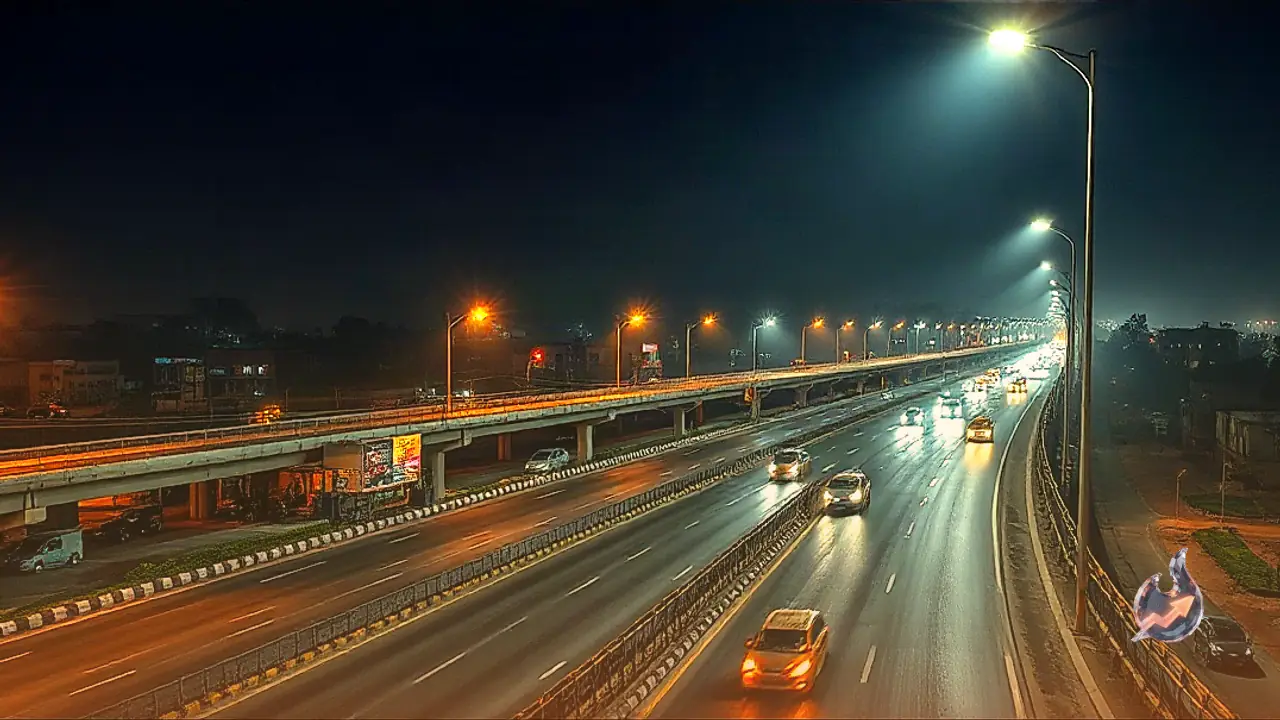
The centerpiece of this 36-kilometer overhaul is a massive elevated bypass planned between Miyanwala and Nakronda. Stretching roughly two and a quarter kilometers within a 2.5-kilometer zone, this elevated roadway represents the longest and most ambitious engineering structure among all seven sanctioned flyovers. Establishing this elevated corridor will segregate high-speed intercity traffic from congested neighborhood vehicular movements. Segregating these traffic flows will permanently eliminate prolonged bottlenecks at Miyanwala and adjacent intersections, establishing an orderly and continuous flow of transit.
Strategic Layout of the 7 Sanctioned Flyovers
To disperse heavy vehicle concentrations and address recurrent collision zones, flyovers have been strategically assigned across seven vital locations along the highway
- Miyanwala-Nakronda Stretch: A signature elevated flyover running roughly two and a quarter kilometers will carry through-traffic above dense local markets.
- Jakhan Bridge Area: A designated flyover near the dental college will streamline traffic near educational and medical facilities.
- Jeevangarh Sector: Two separate flyovers are slated for construction here to effectively distribute heavy vehicle volumes.
- Chhiddarwala: A dedicated flyover will resolve chronic congestion points around the primary marketplace and three-way junction.
- Raiwala Junction: Two individual flyovers will manage high transit volumes through Raiwala's bustling pilgrimage and tourist corridor.
44-Kilometer Service Lane Network and Pedestrian Bridges
The infrastructure project extends far beyond expanding the main vehicular carriageway, placing significant emphasis on safeguarding local communities and non-motorized commuters. Modern dedicated service lanes measuring approximately 44 kilometers in combined length will line both sides of the highway. By providing localized two-wheelers, tractors, and intra-town transport their own isolated corridor, the design prevents slow vehicles from encroaching onto fast lanes, curbing severe collision risks. Furthermore, two dedicated foot overbridges are slated for construction to facilitate safe pedestrian crossings across wide highway sections, with final site selections currently reaching conclusion.
To permanently eradicate hazardous accident-prone black spots, multiple existing junctions—including Majri, the dental college crossing, and stretches from Raiwala toward Haridwar—are being re-engineered and modernized using scientific traffic management principles. Once this 36-kilometer corridor reaches completion at the end of its two-year deadline, travel between Dehradun and Haridwar will yield substantial time savings while offering commuters an international-standard highway experience.