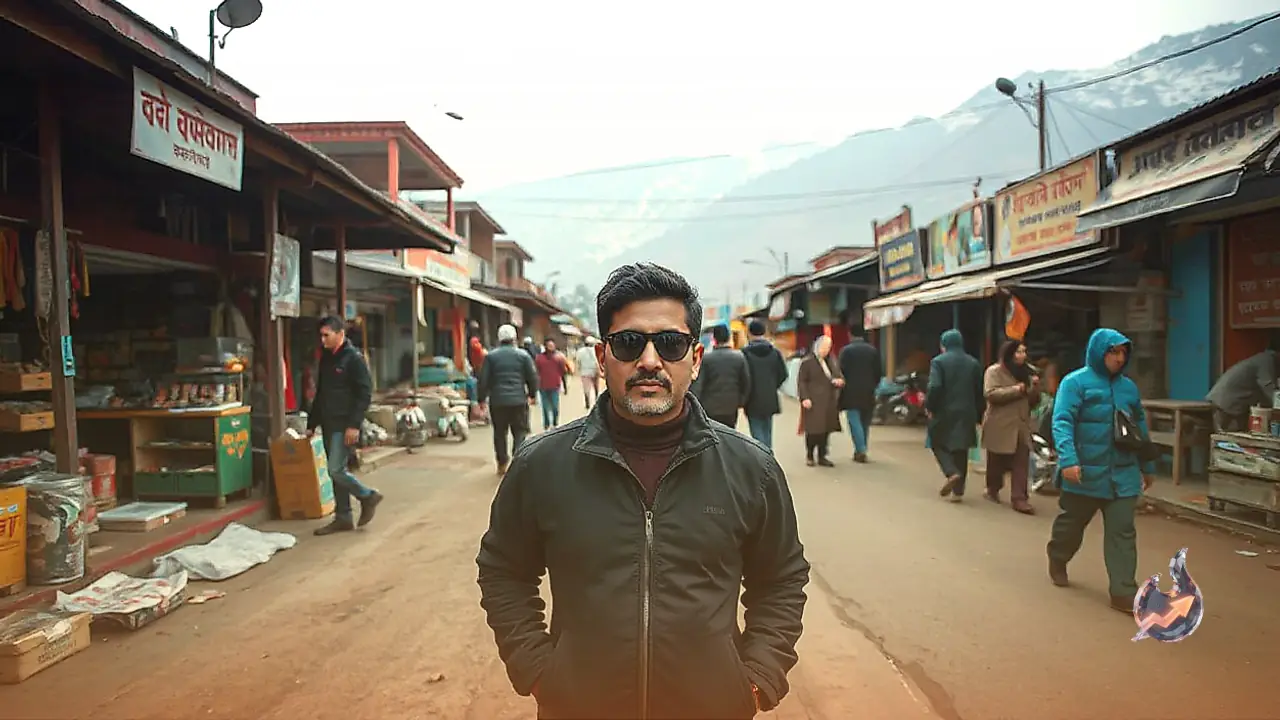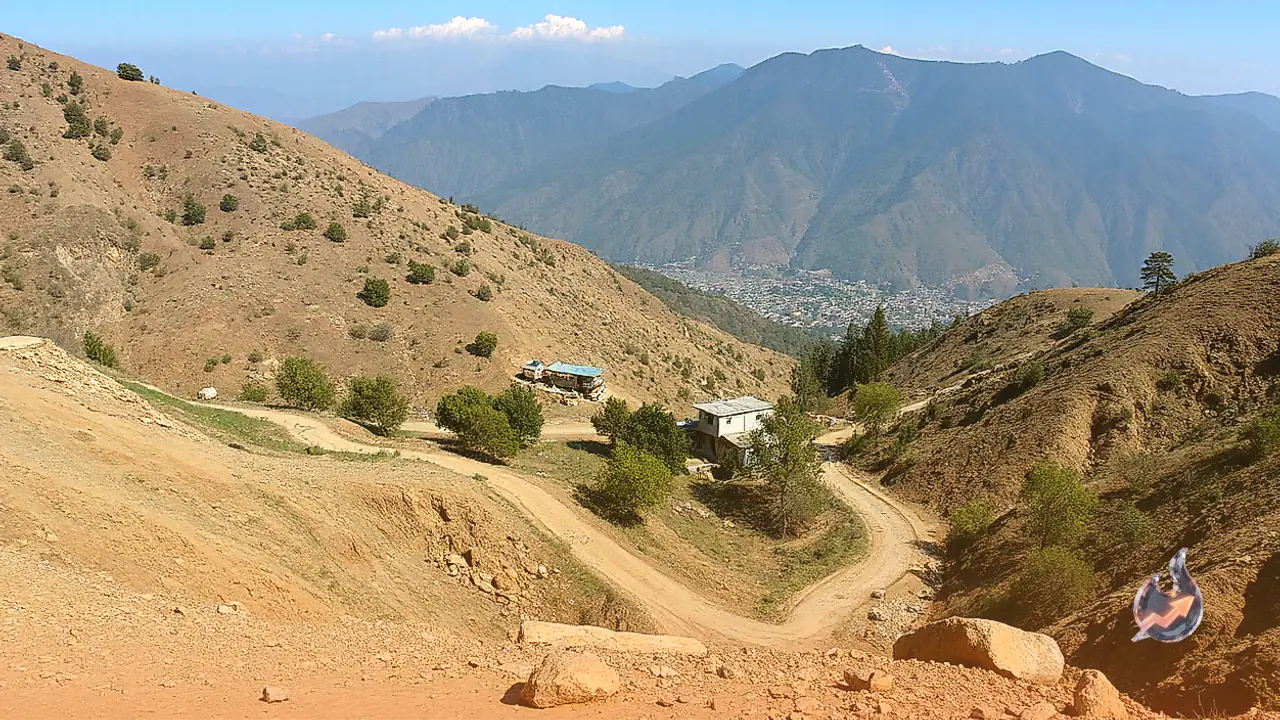

The hill station of Nainital in Uttarakhand is widely celebrated for its pristine lakes, lush green forests, and natural water springs, but the mounting human pressure on the city's delicate ecosystem has become a serious cause for concern. Particularly, the topography of the hills situated directly above the famous Mal Road is slowly transforming. Environmentalists have raised grave concerns due to the rampant construction activities, continuously increasing weight load, and tampering with natural drainage systems on the hillside. Experts warn that without timely and robust policy interventions, Nainital could face severe environmental and geological challenges in the future.
Early Warnings and Geological Changes Remembered
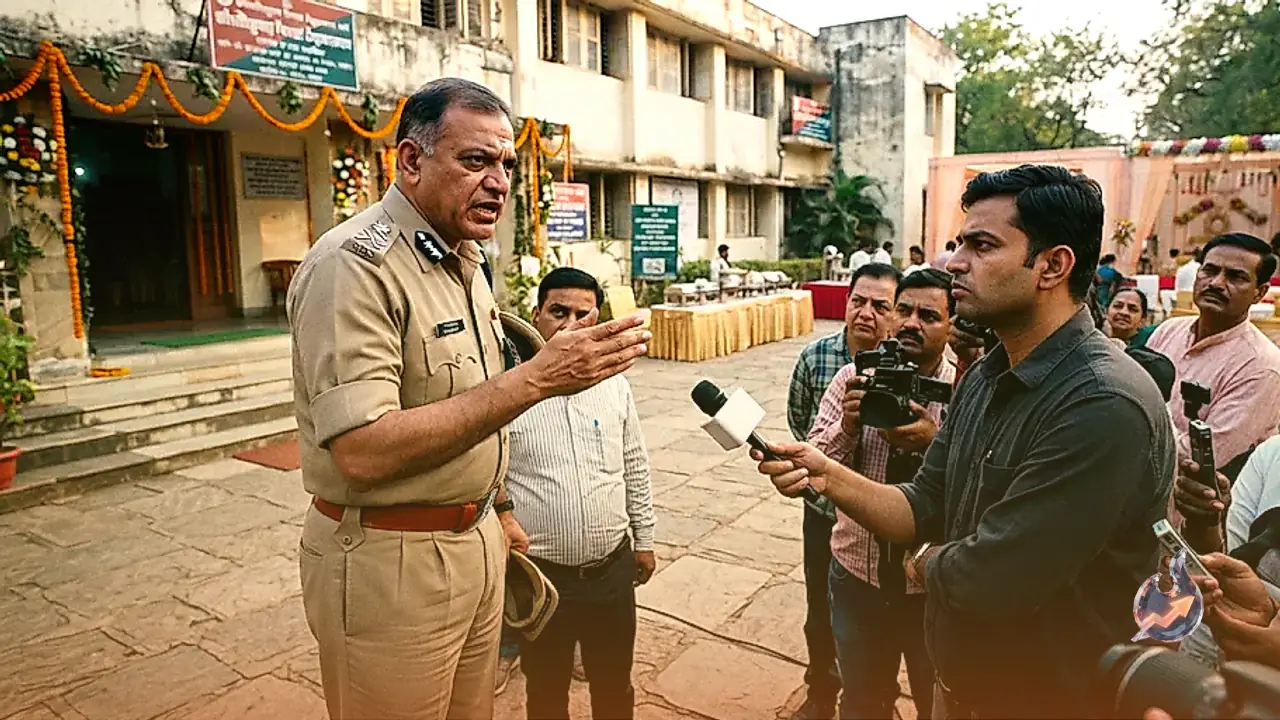
Renowned Nainital resident, environmentalist, and Padma Shri recipient Anup Sah has voiced deep anxiety over the shifting landscape of the hills above Mal Road. According to him, when he used to visit these hills roughly twenty years ago, the area was covered with dense greenery and minimal human interference. Although early signs of changes in the natural terrain were already visible back then, the situation has dramatically worsened over the past few years due to unchecked construction and excessive human intervention. Sah spent his childhood in Nainital and frequently explored the city hills and surrounding areas alongside the renowned geologist Dr. Valdiya.
During those expeditions, he closely observed the developing cracks and geological shifts within the mountains. Dr. Valdiya frequently expressed deep concern regarding Nainital's highly sensitive geographical standing. Sah points out that warnings about the geological vulnerability of the region have been issued multiple times in the past. He asserts that if an earthquake measuring 7 to 8 magnitude were to strike the city, it could trigger massive devastation. Ignoring the uncontrolled construction and heavy load accumulating on the city hills under such circumstances could prove catastrophic for the future.
Increasing Weight Load Above Mal Road
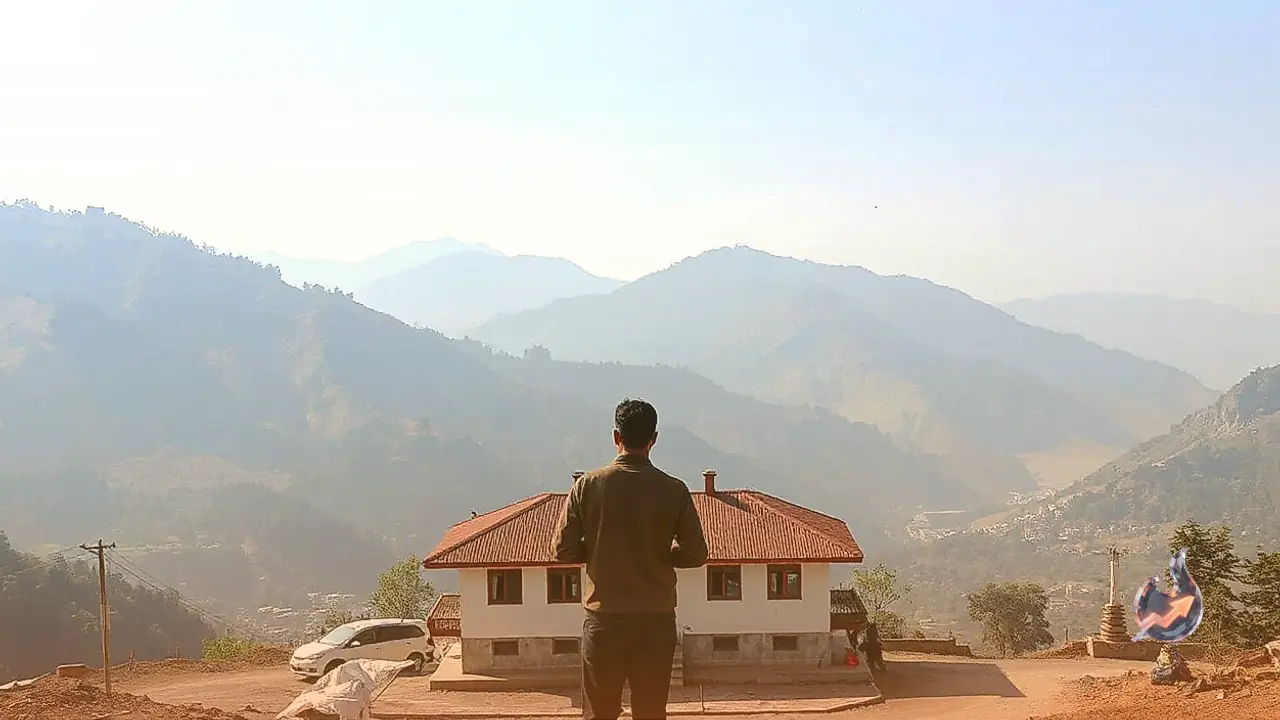
Environmentalist Anup Sah highlights that extensive construction has already taken place right above Mal Road, steadily multiplying the pressure on the hillside. He emphasizes that the cracks appearing along Mal Road need to be examined with utmost seriousness. Notably, a portion of the Lower Mal Road had previously collapsed directly into the Naini Lake, after which restorative treatment work was carried out on that specific section. He further noted that the Sukh निवास hill located above Mal Road is also undergoing gradual transformations. The visible tilting of trees standing on the hillside serves as a clear indicator of this shifting ground.
According to him, circumstances of this nature are triggered when the natural equilibrium of hills is disturbed by sustained heavy loading. However, he stresses that the actual underlying causes and associated risks behind these modifications must be evaluated thoroughly through technical surveys. The changing dynamics of the terrain demand continuous professional observation rather than superficial repairs.
Blocked Natural Drains and Drainage Risks
Sah has also expressed profound concern regarding the natural water drainage system of the hills. He explains that in earlier times, several natural channels existed to drain water down the slopes, but over time, constructions were erected directly over these waterways, leaving many of them blocked or completely choked. Natural drainage plays a critical role in mountainous regions. When traditional pathways for rainwater are obstructed, the runoff seeks alternative routes through the soil, increasing subsurface water pressure and triggering severe hazards like landslides. Identifying these old drainage channels and restoring them to full functionality is an urgent necessity.
Vanishing Landmarks and Changing Lake Scenery
Recalling the transformation of Naini Lake and the surrounding hills over time, Sah pointed out another notable detail. Previously, old light pillars situated beneath the Grand Hotel could be seen inside the lake, but those pillars are no longer visible today. In his view, the cumulative changes occurring across the city's hills and lake surroundings must be analyzed through a comprehensive perspective. The continuously growing load on the mountains and alterations in their natural structure are pressing issues that demand immediate attention.
He pointed out that while routine monitoring of Nainital's hills was standard practice in the past, that level of active surveillance is missing today. Although treatment work was executed along Mal Road, the recurring appearance of structural cracks remains deeply alarming. Simply patching up cracks or treating a single isolated spot cannot serve as a permanent solution to a systemic problem.
Need for Comprehensive Policy and Regular Monitoring
Sah strongly advocates for the formulation of a comprehensive and robust policy specifically tailored for Mal Road and its adjoining hills. He outlines that such a policy must encompass strict regulation of construction activities, identification and reopening of blocked natural drainage channels, regular geological monitoring of the slopes, and preservation of the overall environmental balance. Without proactive measures to safeguard the fragile topography, the iconic hill station remains deeply vulnerable to future natural calamities.