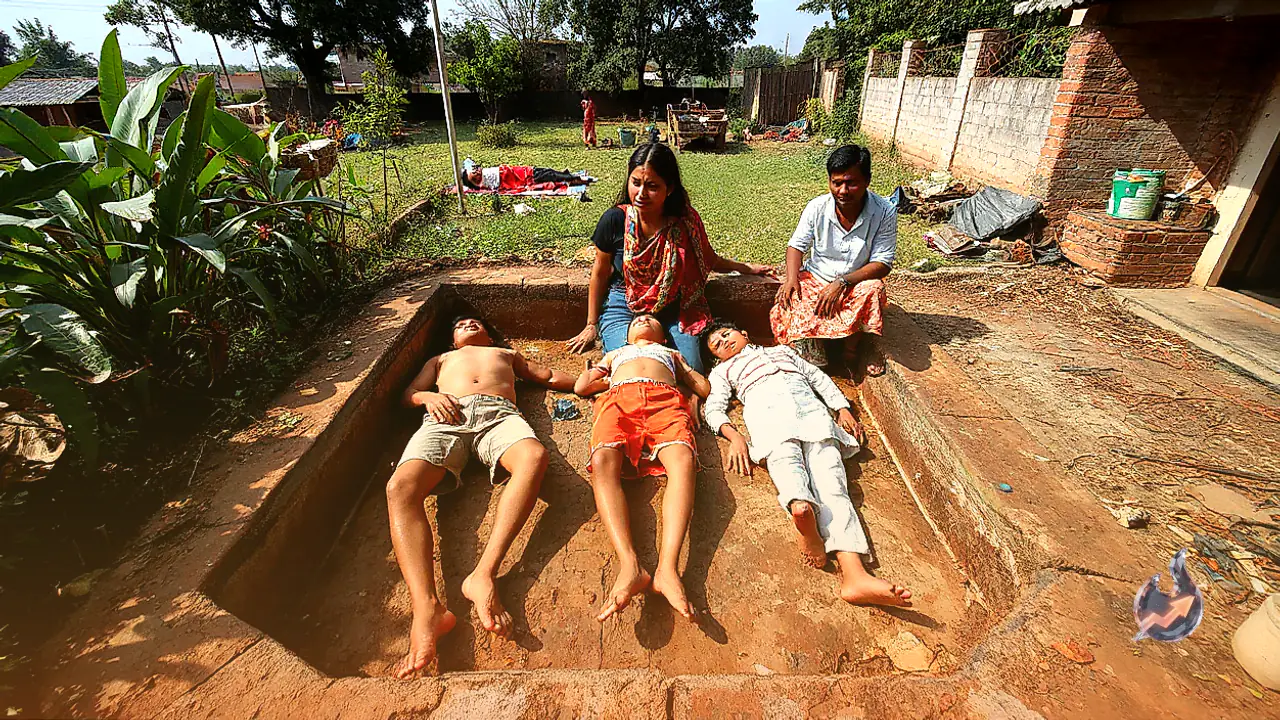

As winter sets in across the hilly terrain of Nainital, local health authorities have raised their guard to protect young children from the growing threat of respiratory illnesses. With temperatures dropping noticeably across the district, health officials are particularly concerned about the increased vulnerability of children under the age of five to pneumonia. To address this seasonal risk proactively, a comprehensive health campaign has been deployed throughout the region. Under this initiative, trained medical personnel are making direct visits to residential areas to screen young minds at the earliest sign of illness and prevent any severe medical complications.
A Large Team of Health Workers Deployed on Ground
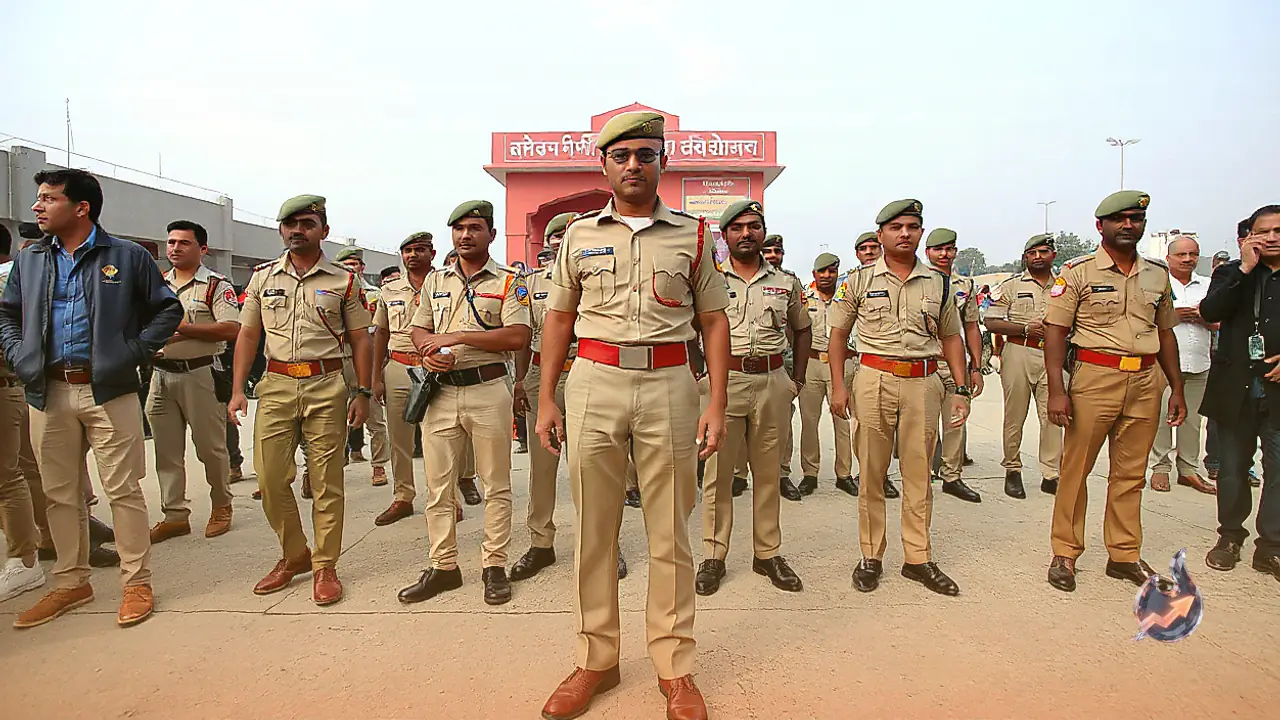
To ensure the campaign reaches every corner effectively, authorities have mobilized a vast network of 1,330 health workers across all eight blocks of the Nainital district. This dedicated workforce comprises 1,030 Accredited Social Health Activists, 200 Auxiliary Nurse Midwives, and 100 Community Health Officers. These grassroots workers are going door-to-door in their respective jurisdictions to conduct thorough health screenings for children up to five years old. If a child exhibits symptoms such as persistent coughing, high fever, or difficulty breathing, they are immediately referred to the nearest medical facility so that timely treatment can be administered without delay.
Chief Medical Officer Dr. Rashmi Pant highlighted that winter conditions tend to intensify significantly following the festive season and Diwali celebrations. During this period, providing special medical attention to infants and toddlers becomes extremely crucial since pneumonia can rapidly escalate into a life-threatening condition. Keeping this critical factor in mind, the district health administration initiated the special drive to safeguard vulnerable households and educate families about timely intervention.
Warning Signs Parents Must Never Ignore
Medical experts emphasize that pneumonia is a lung infection that poses serious risks to young children, making early recognition vital. Parents are advised to stay vigilant regarding several specific indicators, including prolonged coughing and fever, unusually rapid breathing rates, difficulty drawing breath, and the lower chest sinking inward during inhalation. Furthermore, if a child struggles to feed or eat, becomes excessively lethargic, or cannot swallow liquids, guardians should avoid relying on home remedies. Instead, the child must be taken to a nearby hospital or clinic for a professional medical evaluation immediately.
Focus on Newborn Care and Proper Nutrition
Throughout the course of the drive, field teams are actively educating parents on optimal newborn care practices. Strong emphasis is placed on initiating breastfeeding immediately after birth and maintaining exclusive breastfeeding for the first six months of life. Mother's milk plays a vital role in building a robust immune system in infants. Health workers also instruct families to seek immediate professional guidance if they notice any unusual fluctuations in a newborn's breathing pattern or overall behavior.
Dr. Rashmi Pant noted that the campaign goes beyond mere screening by reinforcing overall medical infrastructure to handle potential cases effectively. Essential medications, adequate oxygen supplies, pulse oximeters, and other necessary medical instruments have been stocked to manage pneumonia treatments successfully. Regular immunization schedules and newborn checkups are already integrated into routine home visits, allowing health teams to maintain continuous surveillance over pediatric health across the district.
Essential Preventive Steps for Winter Months
Protecting toddlers from severe cold exposure, ensuring adequate nutrition, and maintaining proper hygiene are indispensable during winter. Households should keep children away from indoor smoke, prevent exposure to infected individuals, and ensure that all scheduled vaccinations are completed on time. Any sudden increase in a child's breathing rate or labored respiration warrants immediate medical attention rather than hesitation. The primary objective of the campaign is to identify childhood pneumonia early and prevent severe health crises through a combination of dedicated grassroots screening and heightened parental awareness.