














Bageshwar: In the folk culture of Uttarakhand, the Harka is much more than just a musical instrument, serving as a vital core of hill identity, tradition, and community life. Shaped like a traditional small drum, this percussion instrument has been intertwined with the cultural heritage of Kumaon and Garhwal for centuries. Long before modern entertainment options existed, the Harka was the primary source of recreation for villagers gathered in public spaces, working in fields, or attending religious events and local fairs.
Construction and Unique Playing Style
Local experts explain that the Harka is constructed using a hollow wooden frame with animal skin stretched tightly across both ends. Its specific structure allows a musician to hold it comfortably in one hand while striking the surface with the fingers and palm of the other hand. The sound it produces carries a distinct rhythm and appeal that breathes life into traditional folk songs and historical ballads. This performance style requires considerable skill and adds a vibrant pulse to community gatherings.
Preserving History Through Folk Ballads
In earlier times, villages relied on professional wandering artists known as Huerkiyas, who specialized in playing the Harka. These performers traveled from village to village to narrate regional ballads, tales of brave warriors, romantic folklore, and mythological stories. Their presentations combined entertainment with history, cultural values, and social messages. Evening gatherings around village courtyards allowed residents to enjoy these performances together, making the instrument a crucial medium for passing down historical events and traditions across generations.
Agricultural Tradition of Huerkiya Baul
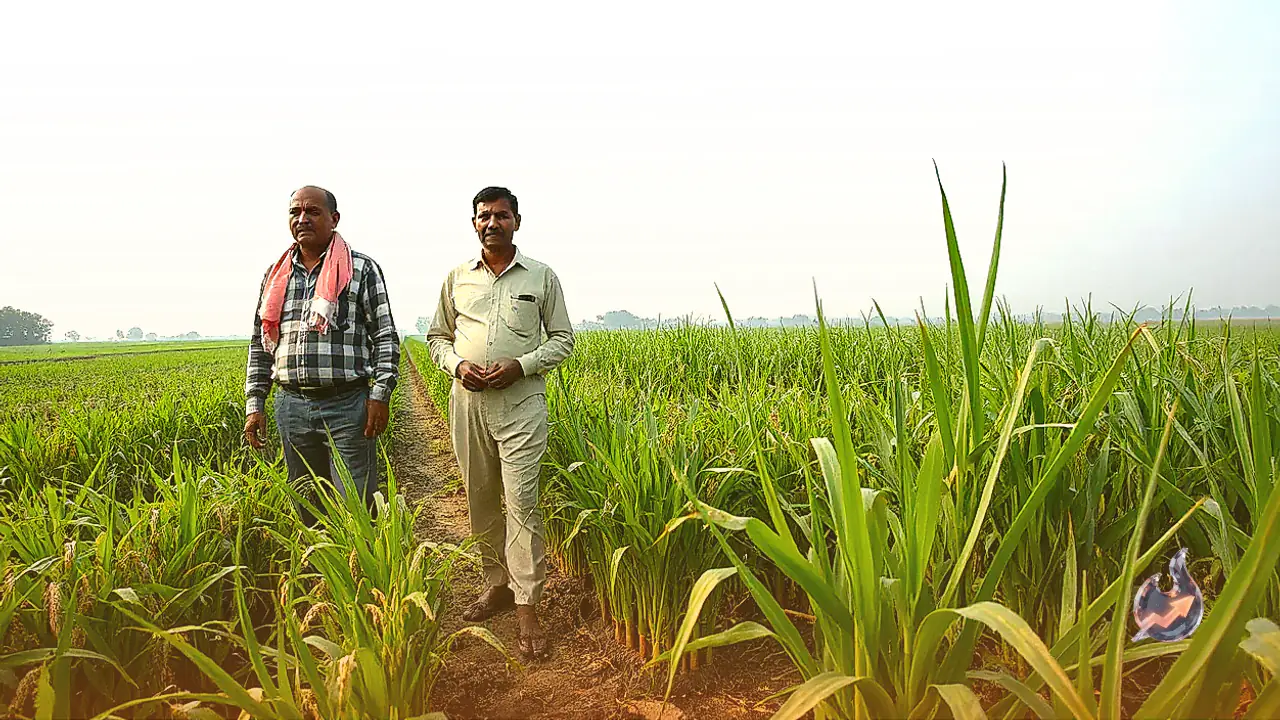
The Harka holds a special significance in the agricultural practices of Kumaon, particularly during the paddy plantation season known as Huerkiya Baul. While women bend to plant rice seedlings in flooded fields, Huerkiya musicians stand nearby, playing the instrument and singing traditional folk songs. These lyrical compositions invoke local deities while celebrating nature, love, and daily social life. The steady beat of the Harka lifts the spirits of the laborers, transforming a long and grueling day of physical toil into an engaging and joyful community effort.
Role in Deity Worship and Rituals
Spiritual ceremonies and Dev-Jagar rituals across Uttarakhand heavily incorporate the Harka into their performances. During Jagar singing sessions, musicians provide a specialized rhythm that accompanies the invocation of local deities and legendary heroes. The steady beat of the instrument can also be heard during various religious festivals, fairs, and community celebrations, where it enhances the traditional dances and brings a unique atmosphere to the gathering.
Shrinking Presence in the Modern Era
With the passage of time, the landscape of entertainment has undergone massive changes. The rapid expansion of televisions, smartphones, and internet access has led to a noticeable decline in traditional folk performances. This shift has severely impacted the traditional artists who play the Harka as well as the local artisans who craft it. Younger generations show increasingly less interest in learning and preserving this indigenous musical art form.
Importance of Cultural Preservation
Cultural experts emphasize that keeping the tradition of the Harka alive requires active support for local musicians, structured training programs for traditional instruments, and prominent billing in cultural events. The Harka represents a rich mountain heritage that encapsulates entertainment, agricultural history, spiritual faith, and collective living. Preserving the rhythm of this instrument ultimately means safeguarding the cultural identity of Uttarakhand for future generations.