
















Administrative preparations have concluded for the fourth and final phase of the panchayat elections in Rajasthan. Voting for this concluding leg will take place across 25 districts of the state, engaging more than 10.5 million voters. This final stretch marks the completion of the extensive electoral process to elect district council members, panchayat committee members, sarpanches, and ward panches across rural areas.
Voter Statistics and Polling Infrastructure
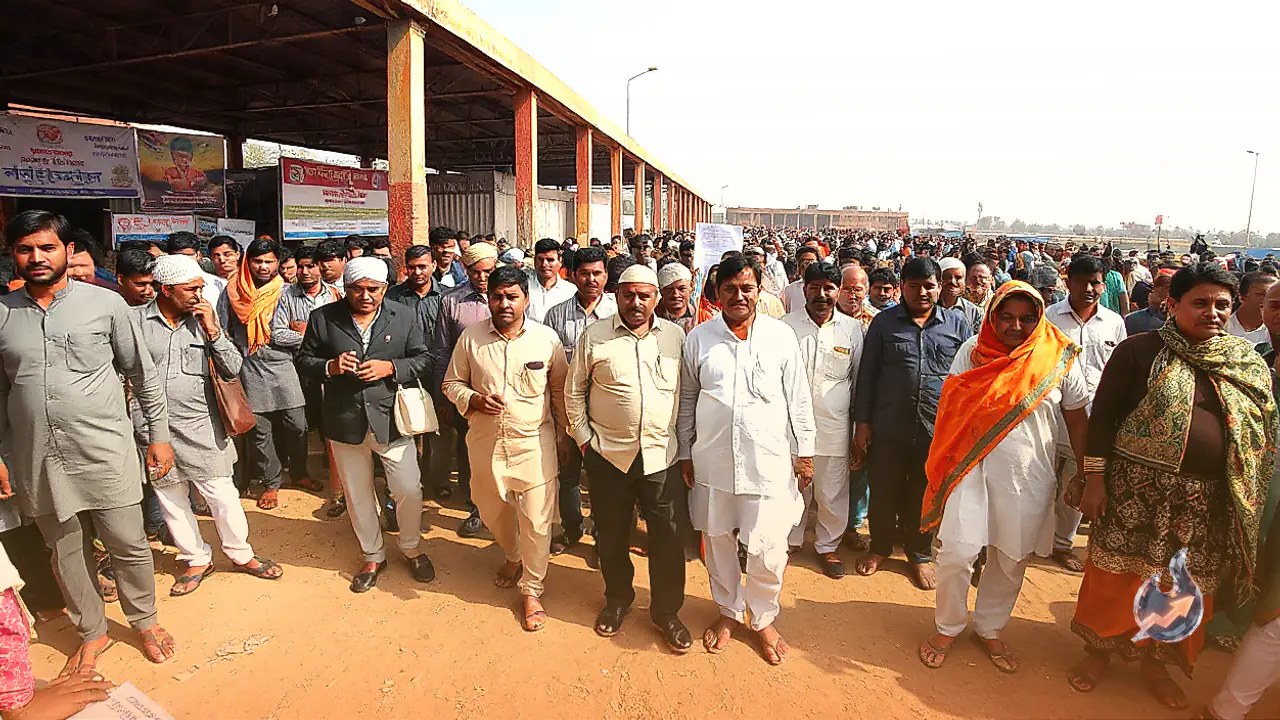
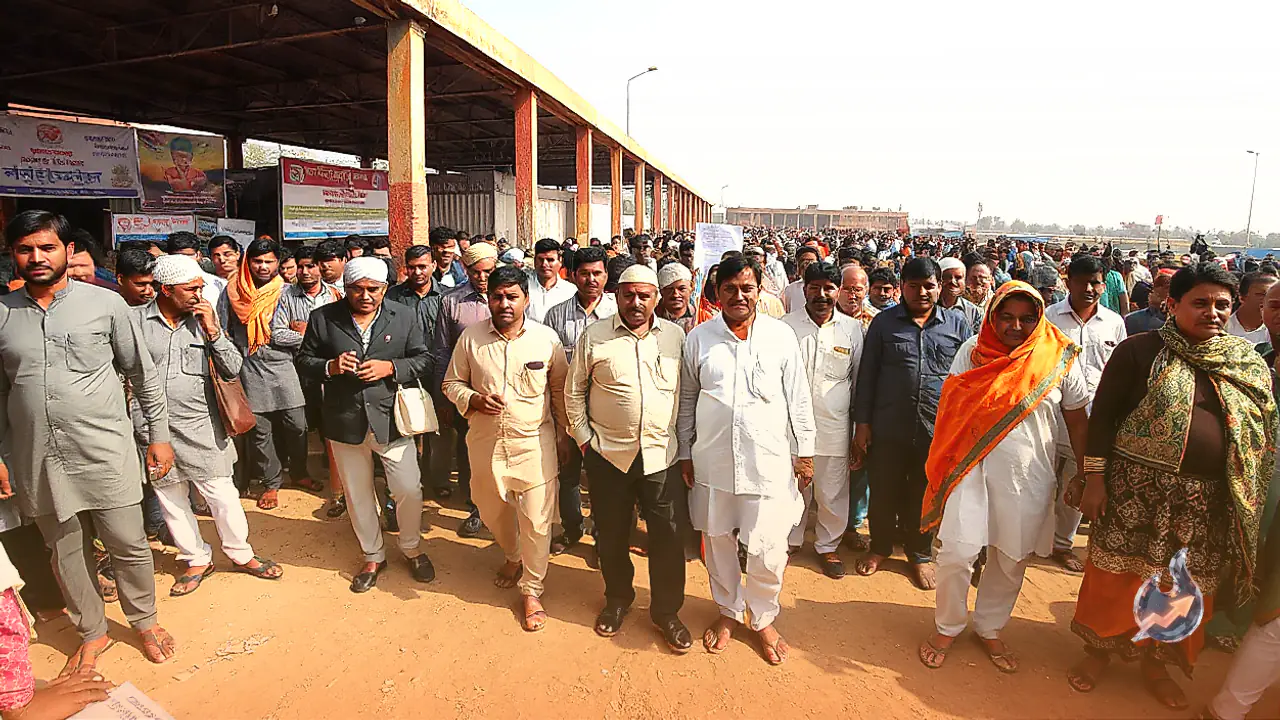
A total of 1,05,94,285 electors are eligible to exercise their franchise in this final phase. This electorate comprises 54,88,275 male voters, 51,05,951 female voters, and 59 third-gender voters. Elections will be held across 116 panchayat committees in the state, covering 382 district council wards and 1,322 panchayat committee wards. Additionally, voting will take place for sarpanch and ward panch positions in 2,142 village panchayats. To facilitate this massive turnout, 11,905 polling booths have been set up throughout the region, with polling parties receiving training before being dispatched to their respective stations.
Staggered Voting Schedule for Different Posts
The polling schedule for the fourth phase is divided across specific dates. Voting for district council and panchayat committee members is scheduled for November 14, and these ballots will be cast using electronic voting machines. Two days later, on November 16, voting will be held for sarpanch and ward panch seats in village panchayats. Unlike the higher tier posts, sarpanch and ward panch elections will utilize traditional ballot papers. Counting of votes for the sarpanch post will commence on the evening of November 16 itself, with results declared immediately upon completion. The following day, November 17, elections for the position of deputy sarpanch will be conducted in the respective village panchayats.
Unified Counting Day on November 20
The counting of votes for district council and panchayat committee members across all four phases is scheduled for November 20. Voting for these higher tier positions took place over four separate phases, but the ballots remained uncounted until now. Consequently, November 20 is anticipated to be a crucial milestone for rural politics, revealing the seat distribution between the BJP and Congress in local governing bodies and showcasing grassroots political strength.
Polling in Jaipur District Units
The final phase also includes voting in four panchayat committees located within the Jaipur district. These comprise Bassi, Tunga, Aandhi, and Jamwaramgarh. A total of 447 polling booths have been designated specifically for this phase within Jaipur district. With training complete and election materials distributed across all 25 participating districts, the multi-phase panchayat electoral exercise is reaching its culmination.
Context of Court Directives and Political Stakes
Conducting the elections across four phases has been a major operational undertaking for the state election commission, executed amidst directives from the Rajasthan High Court. The successful conclusion of these polls is also viewed as reinforcement for the government's stance on holding synchronized elections. Attention across the state is now firmly fixed on the polling dates of November 14 and 16, followed by the decisive vote counting day on November 20, which will establish the political standing of major parties in rural regions alongside the immediate declaration of sarpanch results.