















The history of Rajasthan is deeply rooted in legendary tales of unmatched bravery, valor, and military prowess. Several rulers from this region carved out a unique place in history through their extraordinary courage, and one such prominent figure is Maharaja Jawahar Singh. He was the son of Maharaja Suraj Mal, the founder of the Bharatpur princely state. After taking over the throne of Bharatpur in the year 1763, he significantly expanded the honor and might of his kingdom through sheer grit and strategic military strength.
The Historic Delhi Campaign And Victory
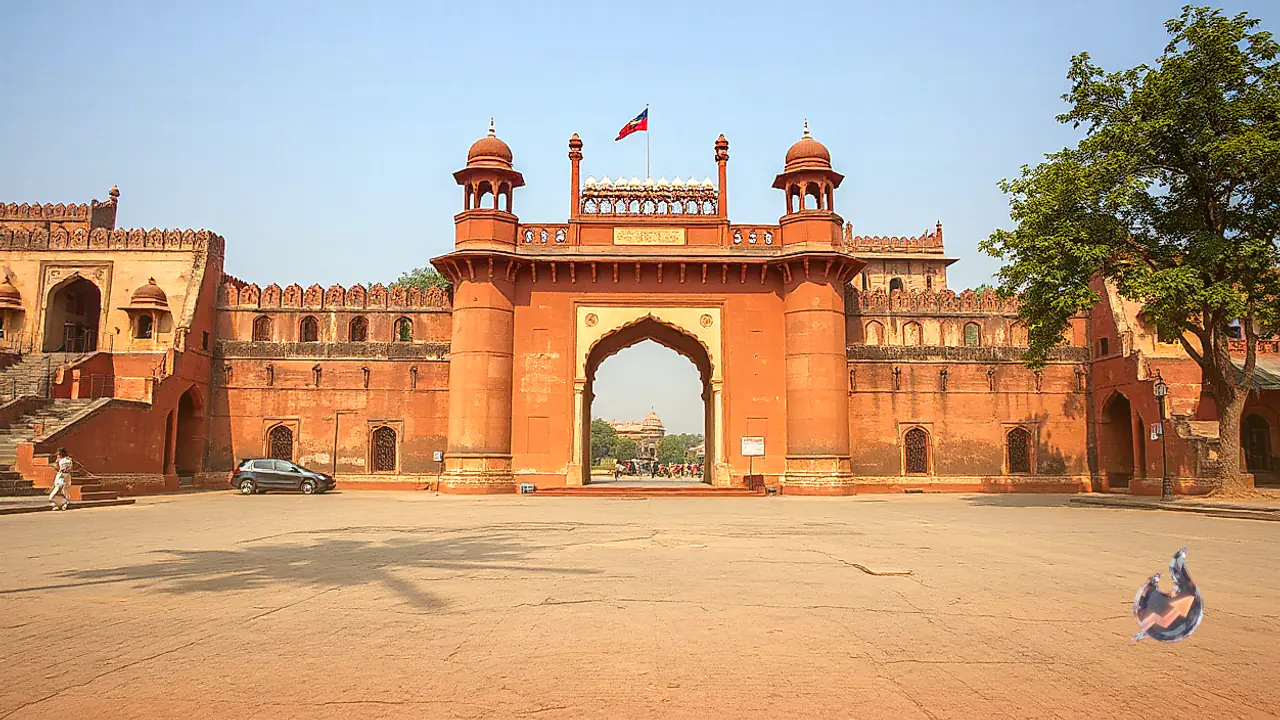
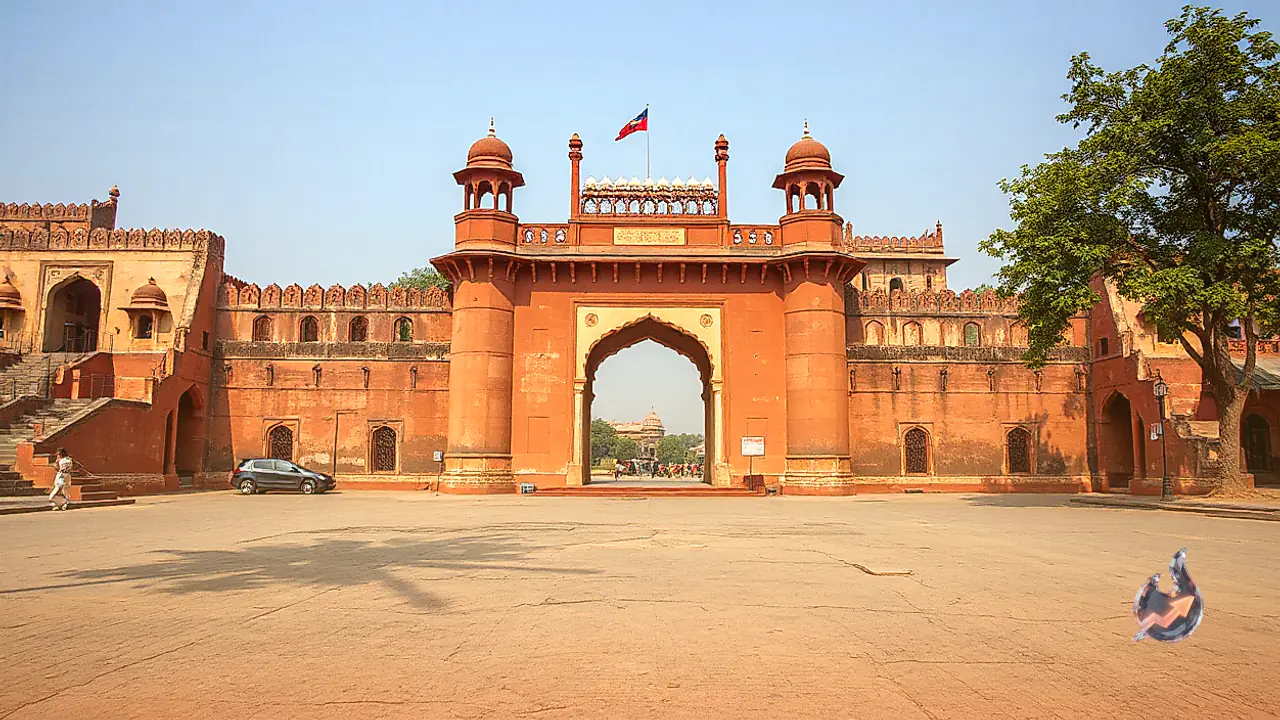
According to historians, Maharaja Jawahar Singh led a formidable military campaign and marched toward Delhi in the year 1764. During this expedition, he showcased remarkable tactical brilliance and fearlessness on the battlefield. Following his triumph over Delhi, he brought back the renowned Ashtadhatu gate from the Red Fort to Bharatpur. This magnificent gate was securely installed within the premises of Bharatpur's Lohagarh Fort, where it continues to serve as a striking reminder of that historic conquest and the ruler's supreme might.
Construction Of Jawahar Burj And Its Significance
Historians note that to commemorate this monumental victory over Delhi, Maharaja Jawahar Singh commissioned the construction of the Jawahar Burj inside the Lohagarh Fort complex. This prominent tower is intricately linked to his military achievements and the memory of the Delhi expedition. To this day, the majestic Jawahar Burj and the Ashtadhatu gate remain crucial landmarks representing the glorious heritage of Bharatpur and its bygone era of sovereign power.
A Major Attraction For History Enthusiasts
For tourists and history aficionados visiting Bharatpur, these ancient structures serve as a primary center of attraction. They are far more than mere constructions of stone and metal; rather, they narrate the vivid tale of the political climate, advanced warfare techniques, and the formidable strength of the Bharatpur state during that period. The name of Maharaja Jawahar Singh continues to be revered in local history as a living symbol of undaunted courage and self-respect.